
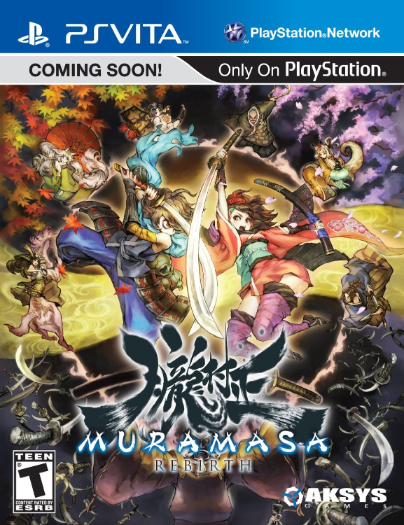
As an avid fan of the Wii, I’ll be the first to tell you that Muramasa: The Demon Blade ranks up there as one of the best games on the system. Unsurprisingly, I’ve also enjoyed the title on the Vita, but my second pass through has laid bare many of the title’s shortcomings.
Darby:
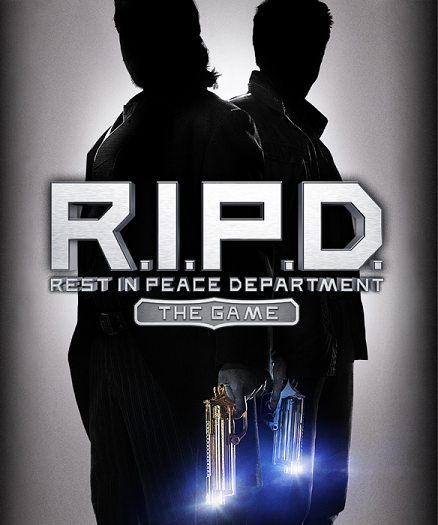
So, you’ve died. Kicked the bucket. Bit the dust. That’s unfortunate isn’t it? You may think so, dead before it was your time to go. Now you have nothing to do except gaze upon the mortals. Wait! Not so! Not when you get the badass job of bounty hunter, hunting souls and returning them to the underworld. There you are, partnered up with a senior hunter, and you get cool weapons to fight the Deados. You’ve got skill on your side, wit, and you’re the good guy. Imagine it: A super cool job in the afterlife, filled with danger and excitement for your enjoyment. Now you get to live through this fabulous life in a game with just that type of character! This game could be amazing! Unfortunately, as cool as the idea behind the story is, the game doesn’t live up to any expectation you might have had.
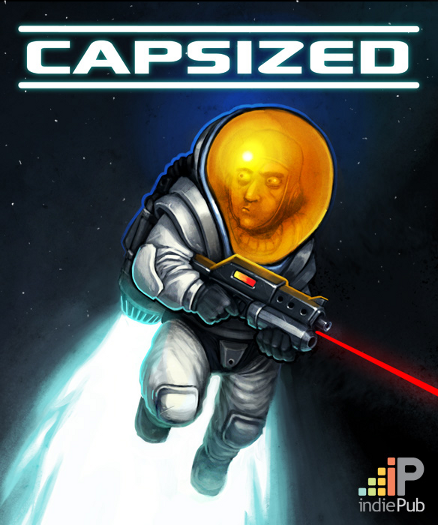
I was excited when I first saw Capsized because at first glance it reminded me of the classic NES game Blaster Master, specifically how you could pop out of the cockpit of your buggy and run around the area in your white jumpsuit, armed with a pea shooter. This impression led me to expect a standard run ‘n’ gun action game common amongst indie titles. What I found was a rewarding evolution of the genre that not only stimulates the senses with its stellar graphics and ambient sounds but demands some fancy finger work, too.

The PSP localization gods are fickle beings. Sure, they bless us which such cool games as Gungnir, Class of Heroes, and God-Eater Burst. But at the same time they deny us such pleasures as Final Fantasy Type-0. It seems no mortal can understand these deities’ mysterious ways.
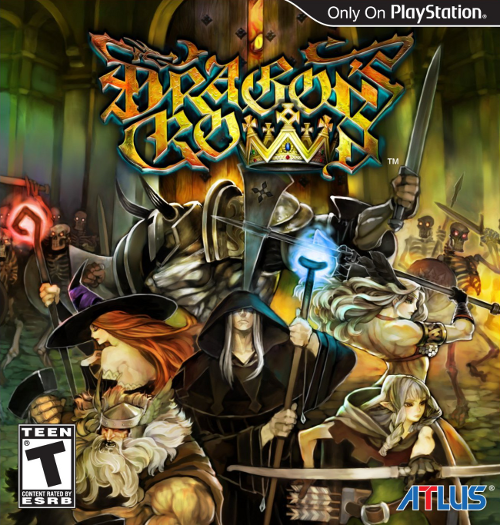
They say beauty is only skin deep, but this is just not the case with the latest output from Vanillaware. Beyond the gorgeous visuals, Dragon’s Crown offers layers of complexity on top of what is typically a very simplistic genre. Side-scrolling beat-‘em-ups have largely stagnated since the days of the arcade, but George Kamitani and company have grafted on dungeon crawler attributes as well as the company’s signature deep and fluid combat systems to create something wholly unique. Quests, loot, and frequent leveling make it hard to pull yourself away from this finely crafted adventure.
Megabyte Punch – an up and coming self-described “Super Smash Bros. meets Mega Man meets Custom Robo” trifecta, is looking to be an absolute killer. The first thing I took notice of is the absolutely gorgeous art style. Megabyte Punch uses the Unity3D engine, and while it has been known for a while now that it’s a pretty powerful engine, I haven’t seen anything as impressive as what the team at Reptile Games have done with it. A unique spin on a classic visual style, an old school soundtrack made for the modern day, and a smart control scheme make Megabyte Punch worthy of your attention. The worlds look like someone took the stages from Knuckles’ Chaotix, extruded them into the third dimension, and dumped a comically sized vat of beauty on it. They’re a rigid, robotic cousin of the worlds of Sonic, and that’s not a bad thing at all - the levels all have multiple paths to the end, with different enemies, obstacles, and more along the way.
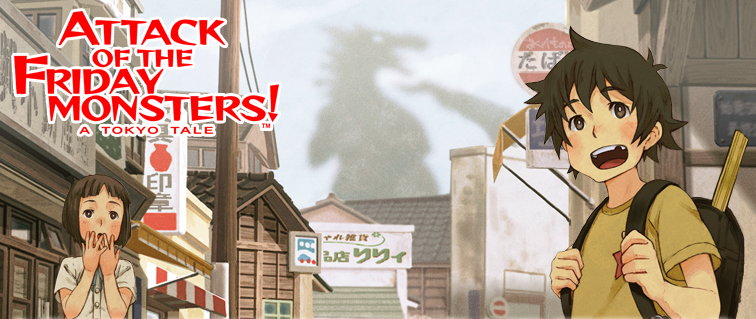
Nostalgia is a powerful force, pulling you towards memories of your youth that seem so charming and innocent. It’s something we love to bask in and dream about for hours. Hearing someone wax on about their own tales of yore can be less than thrilling, though, if you grew up in a different time or a different culture. We’ve all been stuck – bored – listening to endless droning about someone’s glory days that we just couldn’t relate to. Which is why I am completely baffled that the 1970s Japanese summer vacation nostalgia trip, Attack of the Friday Monsters, kept me engrossed from start to finish and filled me with the same warmth I feel when I look back on my own childhood memories.
Scourge: Outbreak is the latest shooter title to find its way on Xbox Live Arcade, developed by Tragnarion Games and published by UFO Interactive. It’s what you’d expect in a third-person cover shooter – except lacking any semblance of control, visual style, and polish.
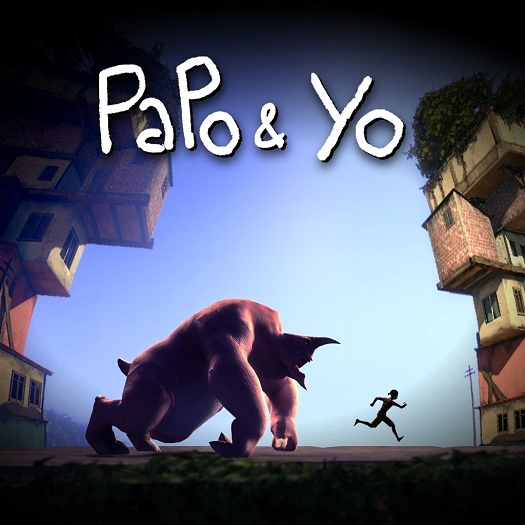
Papo & Yo is not a AAA release. There is no bloated budget here, or tacked-on multiplayer, or DLC to be had. Likewise, the game isn’t as polished as most big budget releases. But what it does have – what so few AAA titles have – is heart. This game was forged with a soul.
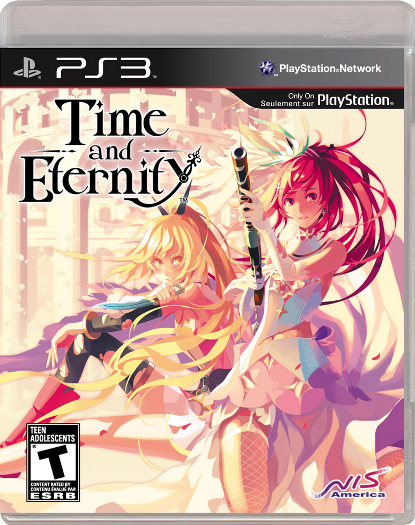
In the last couple of years I’ve had to realize that I’m getting older, and as people get older their tastes gradually change. Time and Eternity is a Japanese-developed RPG that I likely would have loved when I was younger. In fact, I kind of did, as it has a lot of elements that remind me of the PlayStation 1 game Thousand Arms. With its emphasis on hand-drawn graphics and heavily anime inspired themes, Time and Eternity will likely appeal to a lot of people. It just may be that I’m no longer one of them.

When I was a kid I had a collection of toy cars like most other young boys. The more common cars would populate the cities and towns that I would dig out of the dirt. The fancier cars I’d use for a more exciting fate, launching them off cardboard ramps and watching them sail as far and high as they could go. One thing would have made this activity more awesome; setting them on fire. Letting me live out this childhood dream is what Fireburst—developed by indiePub and exDream for BigBen Interactive—sets out to accomplish. It’s an offroad combat racing game where fire fuels your speed and is the basis of the combat system.
Element4l is an innovative platformer that focuses on how well you know your physics, as well as your ability to adapt. You have control of the four elements, and the only enemy is your own environment. The four elements are bound together, and are on a quest to shape life. This is no ordinary platform game—you must use logic, reasoning, and physics to traverse through the levels. This is an experimental title that’s wrapped in a wonderful soundtrack, composed by MindTree. This game challenges you to rearrange your reflexes, and figure out which element is best suited to each obstacle.
Is it possible to simultaneously love and hate a game? The Starship Damrey certainly makes a compelling case for such a sentiment. On one hand, it borrows many of the less desirable traits of classic PC adventure games, but on the other, it neatly melds an excellent sense of atmosphere and humor to keep you consistently interested. Despite the combination of a complete lack of cerebral puzzles and clunky controls, there’s something intrinsically alluring about this unabashedly short game.
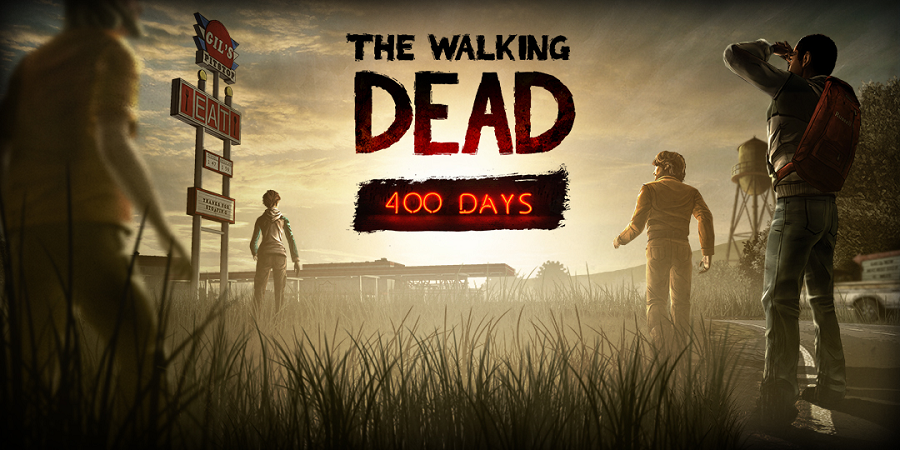
Telltale’s The Walking Dead surprised many last year, including myself, by telling one of the most memorable stories in gaming. By pairing tense scenarios with incredible characters, the episodic game caught wildfire and became a smash success, winning multiple games of the year accolades. To no surprise, the success of season one means that a season two is inevitable, but in the meantime, Telltale decided to tease us with a DLC that gives us insight on the future of the series.
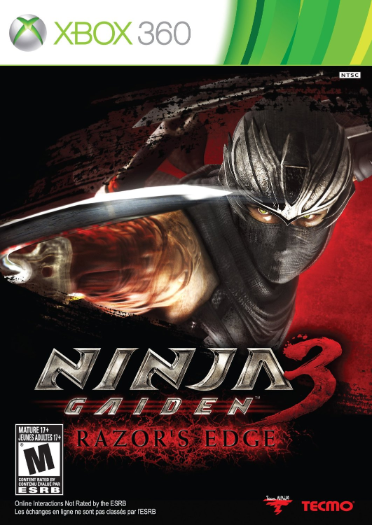
Sometimes, you’ll come across a game series that people adore, but you just don’t get why. Oh, you’ll try, of course. You’ll read the glowing reviews, check out gameplay videos, and listen to people rave about it on podcasts. Yet try as you might, you just don’t click with it, and you feel like you’re missing out. That’s the way I’ve always felt about the modern Ninja Gaiden games. Still, as beloved as this franchise is, after playing Ninja Gaiden 3: Razor’s Edge I just have to wonder if I’m really missing something here, or do diehard fans see how messed up this game is?
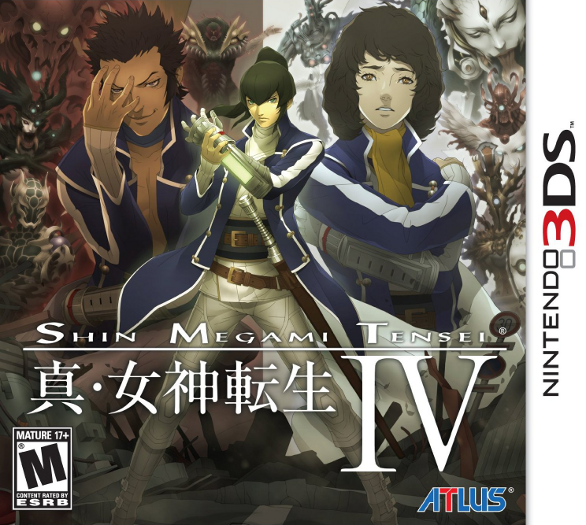
Aside from a brief escapade with the Persona series, I pretty much have had zero experience with the Shin Megami Tensei series. The name is familiar to me, but all I knew about the series is that it’s widely loved, and has spawned many spinoff series that have all garnered some success. While I really enjoy what I’ve played of the Persona series, I still had no idea what to expect when booting up Shin Megami Tensei IV for the first time. I was afraid that I wouldn’t even like this type of game. In the early goings I felt that my fears would be confirmed, but I eventually found SMT to be enjoyable, despite being new to the franchise.
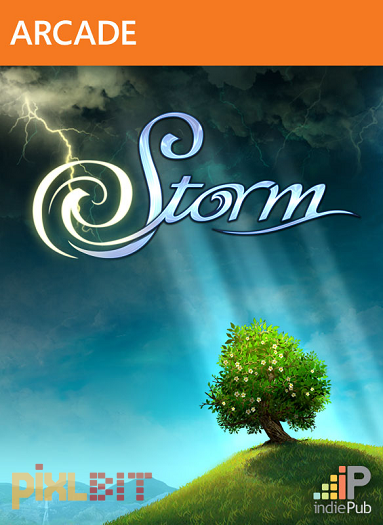
I am almost, sort of, maybe certain that I am not an idiot, at least not all of the time. I have my moments, though, and Storm gave me quite a few. Pitting my wits against two-dimensional idyllic nature scenes that desperately need my intervention to move fruit from one place to another was an enjoyable and challenging experience until the game’s physics and controls ruined everything.
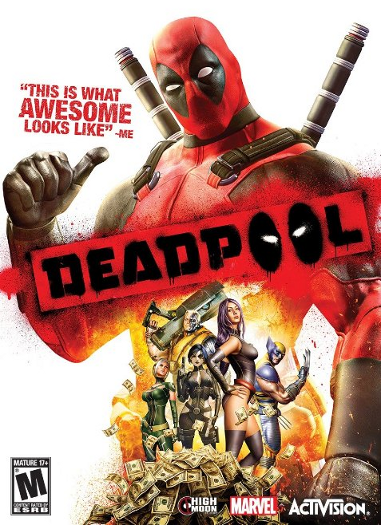
When I first started Deadpool, I didn't really expect to like it. I knew it wasn't going to be a grand masterpiece, and I just thought it would be mildly entertaining. I love Deadpool as a character, and enjoyed the comics, but I wasn't sure how it would all come together in the game.
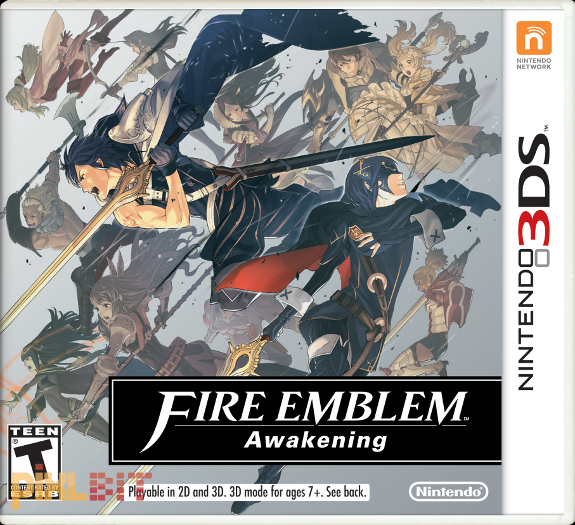
(Editor's Note: Since Fire Emblem: Awakening was translated by many ex-EGM reviewers courtesy of 8-4, I thought it would be cool to do a classic three man review. Since the PixlBit system only accepts one score per game, we're going with Julian's score, since it was based on an entire playthrough from start to finish. Enjoy!)

Yeah, I’ve golfed. Once. Does that make me qualified to critique a modern realistic golf game? You betcha! My sole golf outing was in high school with several people who knew their way around the fairways. What started off fun and with a lot of potential quickly turned to a disaster as the hours wore on. Balls were lost, tempers flared, and the idiot driving the golf cart I was in crashed into a brick pillar throwing me forward, stopping only when my shins slammed into the sharp dashboard of the cart. Tiger Woods PGA Tour 14: Masters Historic Edition has lots of similarities to that fateful golf outing, and I’m hoping to keep someone else from getting plowed into a brick column.
I love Mutant Mudds; I’m not going to be bashful about it. It’s one of my favorite games in a very long time and its latest Wii U incarnation further cements that. Rather than rest on their laurels, Renegade Kid has worked in 20 new levels (bringing the grand total to 80) and an optional checkpoint system to help players through the game’s tougher challenges. Combined with the already solid content, Mutant Mudds Deluxe is not only the definitive version of the game, but an absolute steal at its asking price.
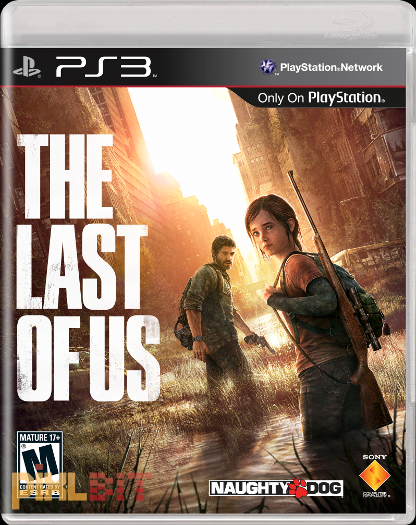
Since finishing The Last of Us, I’ve been sitting at my desk agonizing over this review. Thinking over my time with the game, I’m filled with conflicting emotions that I now have to distill into something cohesive for you fine readers. To say that this is the most impactful game I’ve played so far this year would be a grotesque understatement, but The Last of Us is not without its faults, and to gloss over them would be disingenuous. I call this “The Reviewer’s Lament”: having to fight the urge to gush for a thousand words and instead give a proper account of my experience with this game. My hope is that, even if it reads a little rough around the edges, it will still be entertaining, which is The Last of Us in a nutshell, really.
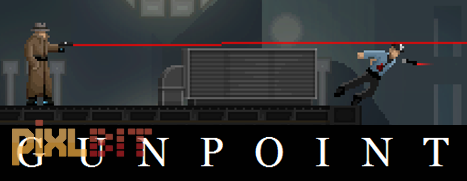
It’s easy to attach labels to games. We want to know if it’s a first person shooter or a platformer, but sometimes that’s a bad idea. We end up sticking games into categories which become their go-to description and don’t communicate what a game’s real essence is. For this reason, I’m not even going to try and compartmentalize Gunpoint because that would be doing it a huge disservice. Even though I have no idea what sort of game Gunpoint is, I know it’s a ton of fun to play.
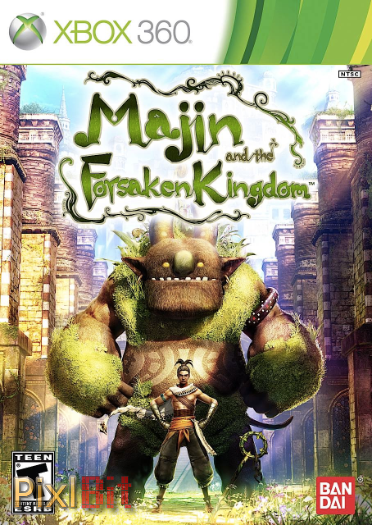
When was the last time you smiled while playing a video game? I don’t mean because you were laughing at a funny line of dialogue or because you killed some dumb noob in a multiplayer game. I’m talking about playing a game that made you feel so good that you had a smile of satisfaction on your face the entire time. That’s the feeling I had during much of Majin and the Forsaken Kingdom, a gem of a game that was overlooked almost across the board when it was released in 2010.
Playing bad games is no fun, but what’s even worse is playing a game that’s amazing and then takes a sudden nosedive in enjoyment from which it never recovers. Even though it never falls far enough to be a bad game, Reus sure plummets from the heights of fun into the ho-hum zone. A god game with a complex series of interacting systems, Reus seems to have done most everything right until you advance in the game far enough to turn it into a tedious and anal retentive planning exercise.