

As with anything that comes out of Grasshopper Manufacture, Diabolical Pitch is an interesting specimen. Taking use of the Kinect, the title melds gesture-based gameplay and your traditional gallery shooter, and tops it off with a bizarre story and setting. Rather than a shot out of the park, the spotty controls make this baseball-themed game a shallow shot to the outfield.
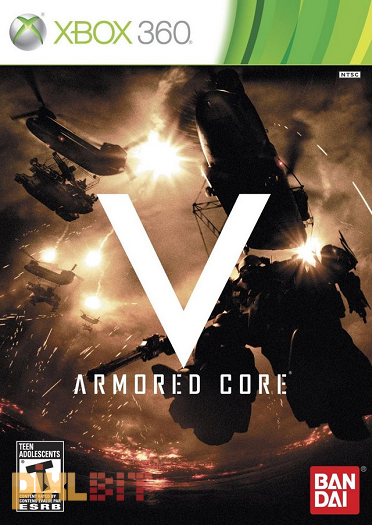
Armored Core V has its faults. Whether it's the limp story mode or the user-hating menu system, its design is sure to scare away most. However, gamers who love to decipher complex systems and are willing to invest the time will find an experience that's incredibly engaging. Armored Core V doesn’t shy away from its inscrutable nature, which will drive the compulsive number-crunching freaks to get that much more obsessed with figuring it all out. Throw in the blitzkrieg, large scale mech battles, and you have a mixture that appeals to a very specific type of gamer – and they are going to need a professional intervention to pull them away.

Creating a South Park game is tricky business, no doubt. It requires equal parts great gameplay, fan service, and humor. What makes Tenorman’s Revenge especially interesting is that it manages to fail on all three fronts. Stiff controls, a lame story, and poor level design make this one of the few South Park stories that you’re better off skipping.
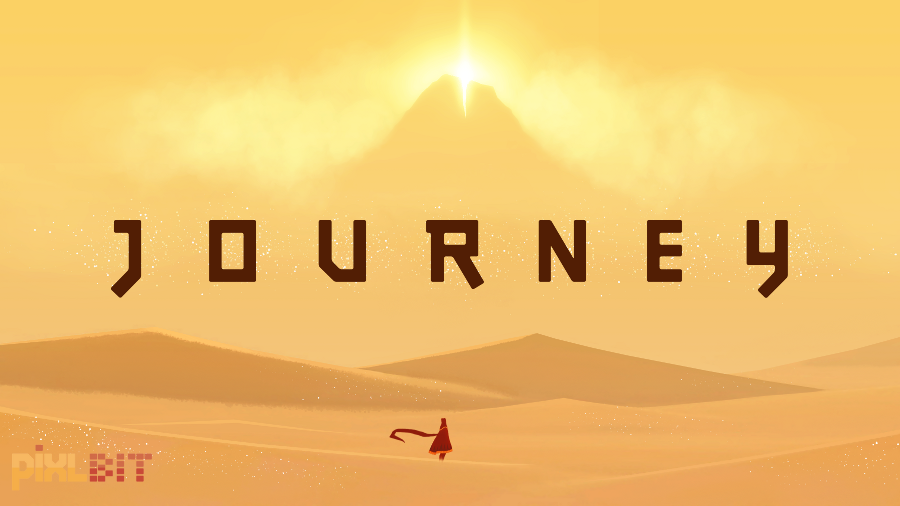
At its core Journey’s focus is on something we do every day without thinking about it – walking. We walk around our homes, we walk to our cars, and some of us may even walk to where we are going throughout the day. Even those of us who are unable to walk with our legs find some other means of locomotion to trek to and fro. Basic movement to us is like breathing – we do it unconsciously even though it is an important aspect of life. So when I say that Journey is about walking, I am saying that Journey is about something we take for granted. It’s about what happens on our way from point A to point B.

I’ve read countless reviews that contained statements like “It’s good for a mobile game” or “It’s a decent downloadable title.” I don’t agree with this conceit. Games should stand on their own merits regardless of platform or method of publication, and Zombie Slayer Diox clearly does not.
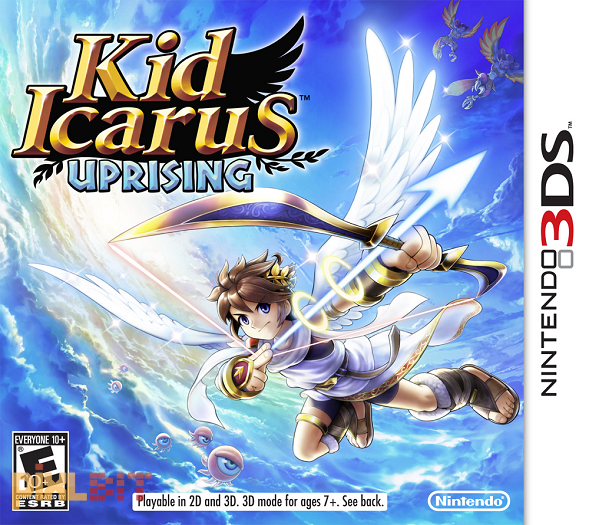
Kid Icarus: Uprising fills a couple of holes in Nintendo’s arsenal of video game genres. Not only has the series been re-imagined as an on-rails shooter, but Uprising is also a third-person shooter/slasher. These hybridized genres bring a unique mix of untapped video game potential to a Nintendo console. In spite of its steep learning curve and lefty control issues, Kid Icarus: Uprising is an early reason to buy a Nintendo 3DS.
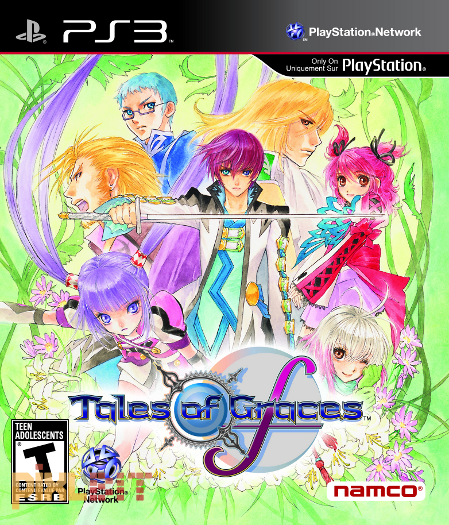
Japanese RPGs haven't had the easiest time this generation. The good ones are few and far between and Japan has taken notice to the downshift in popularity. Many games, such as Tales of Graces f have a hard time being localized for English speaking audiences. Thankfully, after much fan demand, the game has finally seen a release on U.S. shores and while it doesn't stray far from the formula, it provides an experience that will satisfy many starving JRPG fans.
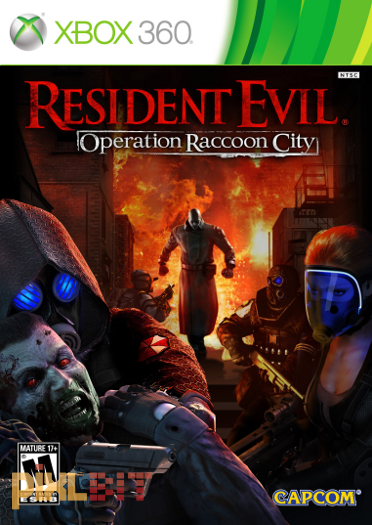
For more than fifteen years players have been experiencing the Resident Evil series through the eyes of the good guys. They’ve controlled Jill Valentine, Leon Kennedy, Chris and Claire Redfield, among others, but never before have they been given the opportunity to see the events of the series from the perspective of the evil Umbrella Corporation. Part of the intent of Operation Raccoon City was to expose players to the other side of the story, offering an inside look at the events surrounding Resident Evil 2 and 3. Sadly, this opportunity has been squandered on an inconsequential story and a gameplay experience that is at best, boring, and at worst, flat-out broken.

What’s the key to great horror? More importantly, what is the key to creating great horror video games? Is it a strong, relatable character? Is it the combat? Monster designs? Atmosphere? Whatever your answer, one thing became abundantly clear to me as I played Silent Hill: Downpour: developer Vatra Games didn’t ask this one crucial question at any point in this game’s creation.
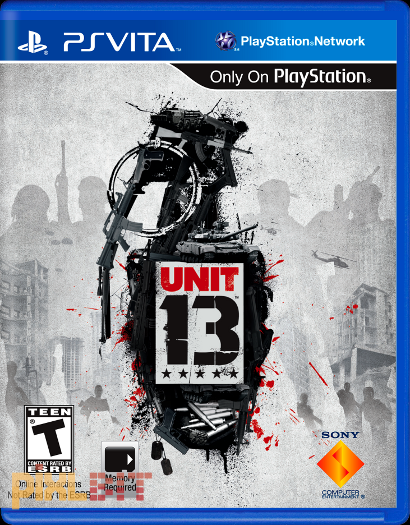
Unit 13 hearkens back to a day when shooters were delivered without an overarching story. Instead, they were comprised of a set of chopped up missions, each with their own specific objective. It's a design that works exceedingly well on the portable Vita platform, allowing you to consume one mission at a time if you're tight for time. Despite its praiseworthy delivery of content, the experience is a bit too homogenous to remain entertaining for more than forty missions. A lackluster online offering and a dubious scoring system only serve to provide further frustrations, bringing down an otherwise solid experience.
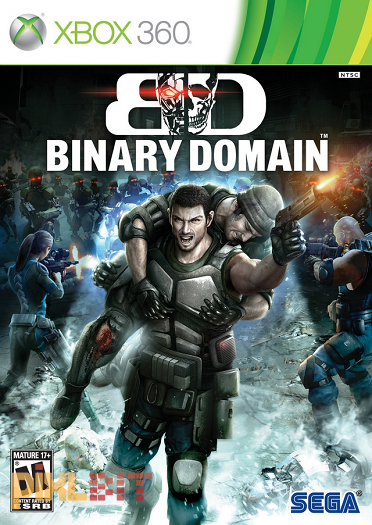
This squad-based action title will immediately remind you of Gears of War, but it does a terrific job differentiating itself through its story, memorable characters, and innovative gameplay mechanics.
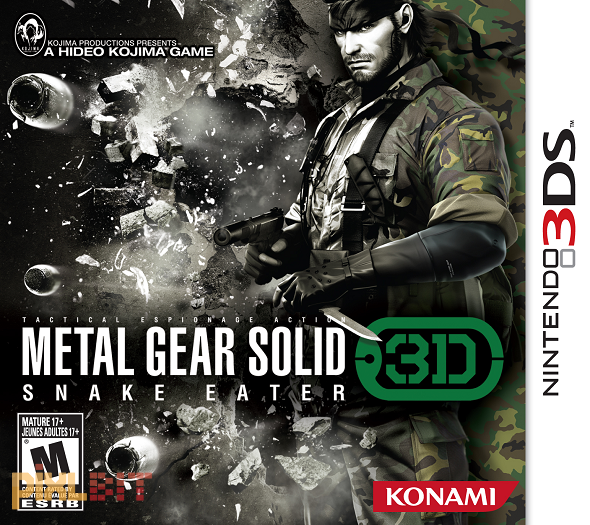
Metal Gear Solid: Snake Eater 3D is the kind of game that appeals to a very specific audience; an audience that already has unconditional love for the source material, which allows them to overlook the obvious shortcomings of this handheld iteration. Though there is evidence that suggests that the developers treated this game as more than a simple port, their efforts will likely go unnoticed by those not previously indoctrinated.
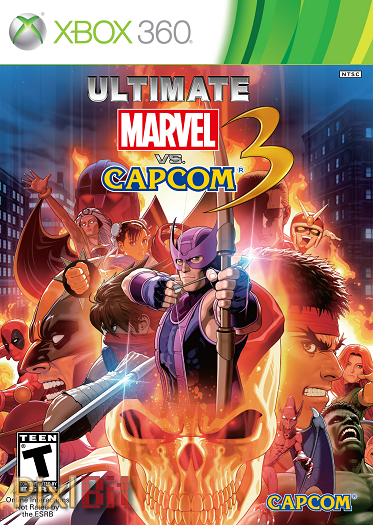
With the controversy of Ultimate Marvel vs. Capcom 3 now in the past, it’s much easier to appreciate the Vita launch of this fantastic fighter for what it is. With a huge cast of reasonably balanced characters, smooth online play, and even some optional touch screen controls, this may actually be the “ultimate” portable fighting game.

After nearly five years since Mario's last party, it may have started to look like the portly plumber was all partied out. With a new developer and a new direction, Mario Party 9 brings the series back in a big way. Even with a multitude of party games available on the Wii, Mario Party 9 still stands out for numerous reasons, though it's also bogged down by an abundantly luck-based system.
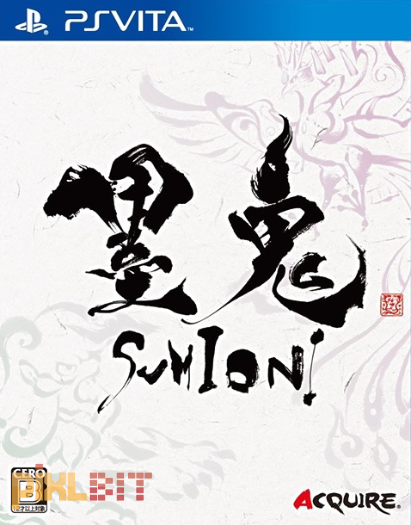
At face value, it may be easy to mistake Sumioni for a 2D iteration of the Okami series. It has similar sound effects, aesthetics, and settings, as well as the ability to draw on the screen like you do with the celestial brush; even their logos are similar. However, Sumioni doesn’t even come close to matching the merits of Capcom’s sprawling adventure. Instead, Sumioni is a repetitive hack-and-slash that fails to capitalize on its unique design.
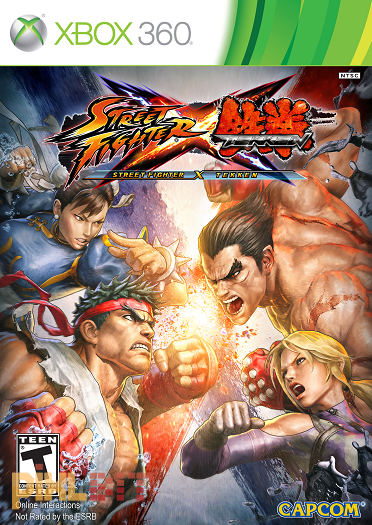
If you were to ask a fighting game fan if they wanted to see the combatants of Street Fighter and Tekken go at it five years ago, they would probably say "Definitely!" then quickly add, “But it will never happen.”
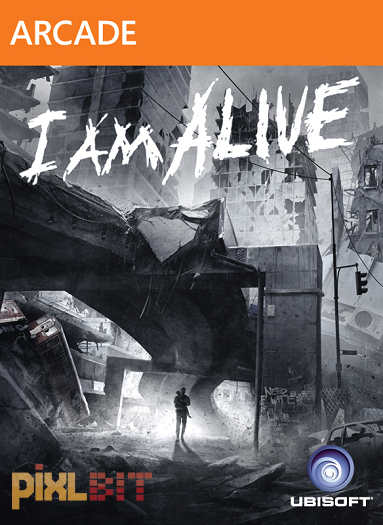
I’ve always loved the climbing aspect of the Uncharted series. Scaling larger than life structures gave the games an added sense of adventure. There was one problem though; Drake’s ascents were little more than eye candy. There was no danger, no strategy, no challenge just mash the X button until you arrive at your destination. That’s why I was so excited when I first heard about Ubisoft’s new IP, I Am Alive, which looks to meld similar Uncharted-like mechanics with the unforgiving realities of the survival horror genre. Unfortunately much like the scenery of this dystopian title, I Am Alive represents a great deal of potential that is tragically lost.

Sine Mora is a fascinating specimen, which should be no surprise to anyone familiar with Grasshopper Manufacture's other work. Once again, the team behind No More Heroes and Shadows of the Damned has delivered an experience that shakes up the established norms of a genre and provides a crazy, convoluted story that will have most players scratching their heads. This horizontal scrolling, bullet hell shoot-'em-up introduces a unique upgrade, special move, and timing system that drives the boss-intensive quest. While Sine Mora suffers from a few minor issues, its ingenuity and originality make it one of the best titles in the genre.
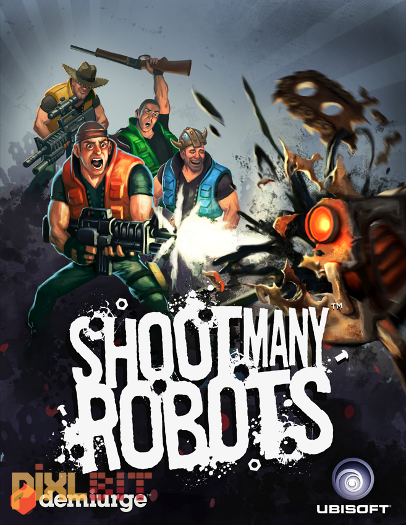
If I were to tell you that there’s a game for XBLA that combines the side-scrolling shooting of Contra with the 4 player co-op and loot based RPG mechanics of Borderlands, what would you say? Sounds pretty awesome, right? As someone who loves those two games, Shoot Many Robots sounds like it would be right up my alley. It sounds like a game crafted by the gods of programming, at least on paper. The actual execution of Shoot Many Robots is far from that idyllic image.

When I first started playing Dillon's Rolling Western, I was pleasantly delighted. Delivering several different gaming ideas into one neat, stylistic experience, Rolling Western didn't offer anything new all to itself, but initially, it provided a nice mix of exploration and real-time battles with some light tower defense mixed in.
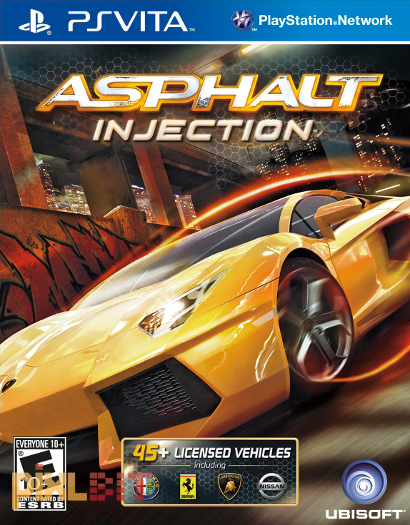
Gameloft is infamous for borrowing heavily from other popular franchises. Asphalt: Injection is no exception; it steals from other arcade racers like Need For Speed and Burnout. While some familiarity can be a good thing, there is little good in Asphalt: Injection.
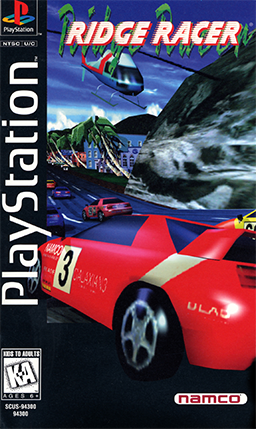
Upon booting Ridge Racer for the first time, I was a little confused and annoyed. After entering the "Gold Pass" included in the box I found myself waiting on a 550MB DLC download, which was subsequently followed by a day one patch. This however, was only a minor frustration; after all, the Gold Pass was unlocking three tracks and a few vehicles, so the benefits were apparent. It wasn’t until I actually got into the game that the true annoyance set in. As it turns out, the content contained within this Gold Pass was just as substantial as the content on the game's cartridge. Yes, that's right, out of the box Ridge Racer on the Vita offers a mere three tracks. Three. THREE!
As one of the first games to feature famous golfer Tiger Woods, and the only Tiger Woods endorsed game on the Nintendo 64, CyberTiger is an odd mix of realistic-style golf with light fantasy elements. The main twist is in the form of powerups that can be used in a variety of ways. I don't know why EA didn't think that a traditional golf game was good enough, as there weren't many to choose from on the Nintendo 64.

Five years ago BioWare released Mass Effect to the world. The first game in an epic RPG trilogy with the ambitious goal of having your character’s actions and accompanying consequences carry over from game to game; creating an ever more complex and living world quite literally shaped by the player. As a result, Mass Effect 3 is forced to undergo scrutiny for not only how it handles as a standalone game, but as a conclusion to BioWare’s half-decade efforts as well.
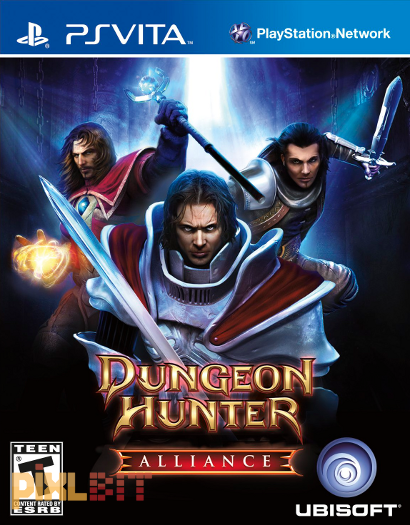
I wouldn’t say that Dungeon Hunter: Alliance is the worst dungeon crawler I’ve ever played, but it’s not very good either. From the get-go it creates the illusion that it’s going to be a great title within the genre, but it falls apart in execution.