
While Sega is well-known for their classic consoles such as the Genesis, Saturn, or Dreamcast, the company is also well-known for their great arcade games that were featured in unique arcade cabinets. Originally released in 2006 in arcades, After Burner Climax has just recently made its home console debut four years later in the form of a PlayStation Network and Xbox Live Arcade release. With the exception of the unique arcade cabinet, the home console conversion is a faithful high-definition remake of the classic arcade title.

One of the oldest concepts of gaming is the "ball-and-bat" genre that was popularized by both Breakout and Arkanoid. The titles originally appeared in Arcade form and eventually made their way to home consoles when they became available. In modern gaming, many titles have spun-off from these pioneers, with AlphaBounce being the latest. The Arkanoid-like game features thousands of levels and an RPG element, mixing up the root formula introduced over-three decades ago.
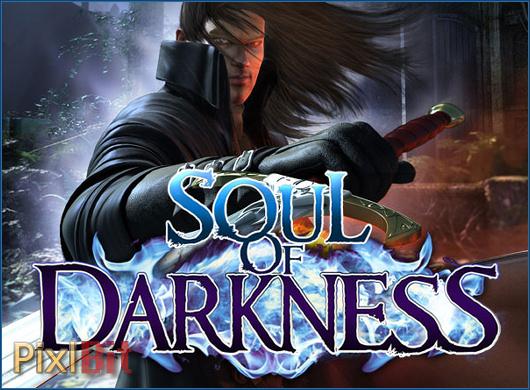
Soul of Darkness is the latest mobile to DSiWare port from Gameloft, which can most easily be described as a shameless Castlevania rip-off. If you spend a few minutes with the game, you will see that it features similar character art, gameplay, graphics, and sound to the famous Konami franchise. The game does incorporate some arbitrary use of the system's cameras, which sets the game apart to some degree.
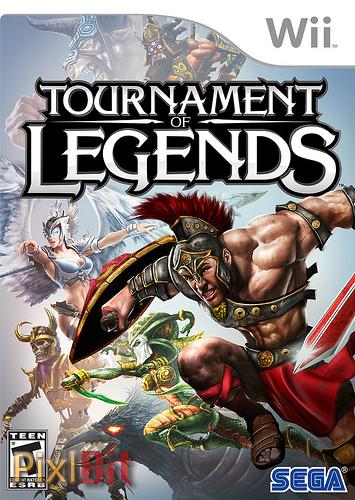
As time has gone on, the fighting genre has seen many unique titles that all represent the core gameplay in a different way. Though many different forms of the genre have existed, only a few of these have proved successful amongst gamers. Tournament of Legends takes a swing at creating a new form once again that meshes concepts found in a couple different fighters, mainly Namco's Soul Calibur and Nintendo's Punch-Out!!. Unfortunately, the fighter from High Voltage Software is largely unenjoyable thanks to some rigid controls and very basic gameplay.
Now this is a guy game if I ever saw one. Tanks? Check. Explosions? By the truckload. Post-apocalyptic setting? And how. Crudely-spelled title? Of course. Rescue the chick? That's even a multiplayer mode.
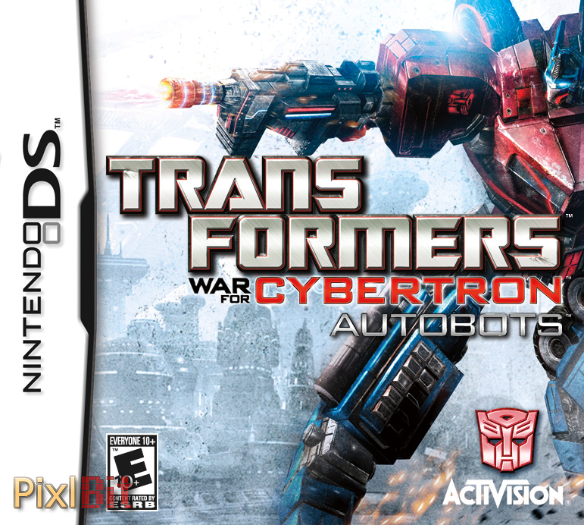
These days I'm always impressed by what can be accomplished on the relatively underpowered DS hardware. Vicarious Visions has always managed to be quite good at maxing out the system's graphical capabilities for the games they deliver. Transformers: War for Cybertron is a great example of some impressive system pushing graphical work. Unfortunately for Vicarious Visions, the accompanying gameplay, though a decent attempt given the subject matter at hand,is not quite as compelling
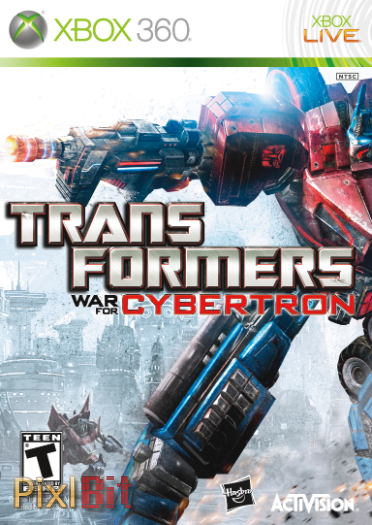
Mr. Perlman was right, war never changes, at least when it comes to video games, it seems. Take out the fact that the protagonist in Transformers: War for Cybertron are giant walking robots and one can easily believe they are playing any generic shooter that have graced us in the last twenty years, bad AI and all.
This is a fighting game based on the Batman Beyond spin-off, which I had never heard of before. As Batman, you punch and kick your way through mostly side-scrolling levels and must stop the Joker from carrying out some nefarious scheme. There are four different suits to choose from which each have strengths and weaknesses, such as the offensive suit which has good attacks but a weak block. There are cutscenes in between levels which tell the story, which consist of stills and text.

I have a rather complicated history with Risk. Growing up I loved playing anything that involved the concept of strategy, mainly because I ranked on the lower spectrum of twitch reflexes amongst my group of friends. Of course Risk falls into my category of preference, but after playing it over time I realized it had two distinct problems.
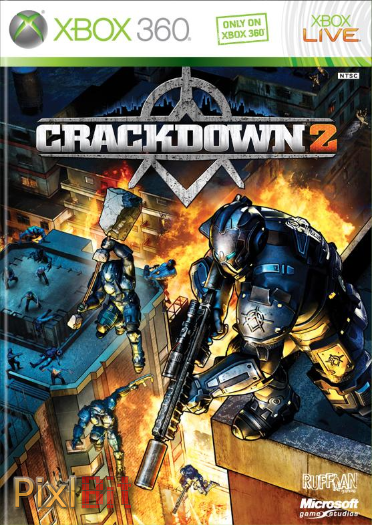
Spawned from the Grand Theft Auto design, Crackdown was an interesting twist on the traditional third person sandbox title. Instead of having a strong set of missions and side missions to complete, players were tasked with simply conquering the city by eliminating all rival gangs. Doing so would've been impossible had players occupied the body of a normal human being, rather players are super human agents who can jump to extraordinary heights, kill a man in a single punch, and run as fast as a moving car. Furthermore, the agent can scale buildings and use their rooftops as transportation around the world.
Oy, another fishing game. Do I have to play this one? Yeah yeah, I'm on a mission and all of that. Should've made a list of exceptions before I started... oh well, I guess it is too late now.
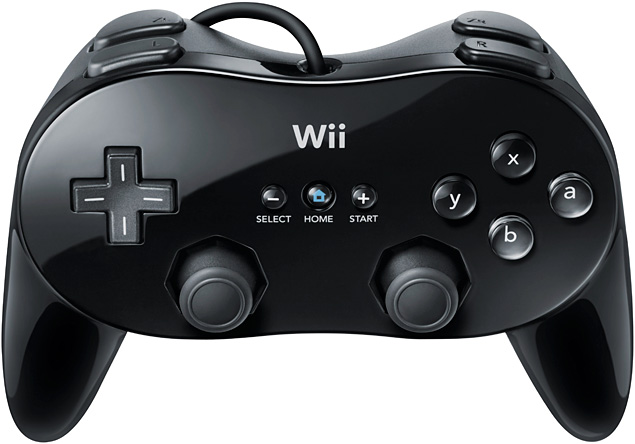
With the launch of Monster Hunter Tri, Nintendo and Capcom have partnered up to release a bundle of the game with the Classic Controller Pro. For those who aren't familiar, the Classic Controller Pro is a revision of the regular Classic Controller. While not much has changed in the revision, Nintendo has addressed practically all of the Classic Controller's faults and created one of the most comfortable controllers that they have ever produced.
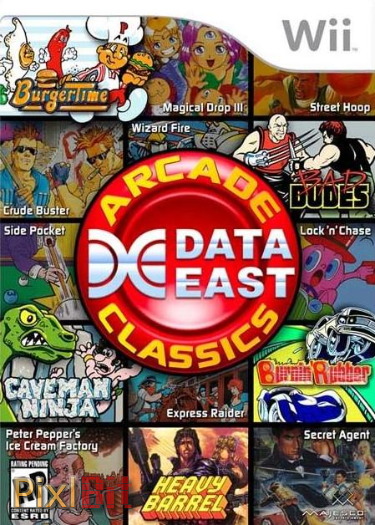
Though not the most popular game developer or publisher, Data East has made many cult arcade titles adored by fans years after their creation. In addition to being somewhat of a cult company, Data East was also one of the first Japanese arcade companies that successfully released their games to North American arcades. Data East Arcade Classics is a collection of these works, some of which earn the title of classic and others which don’t even approach it.
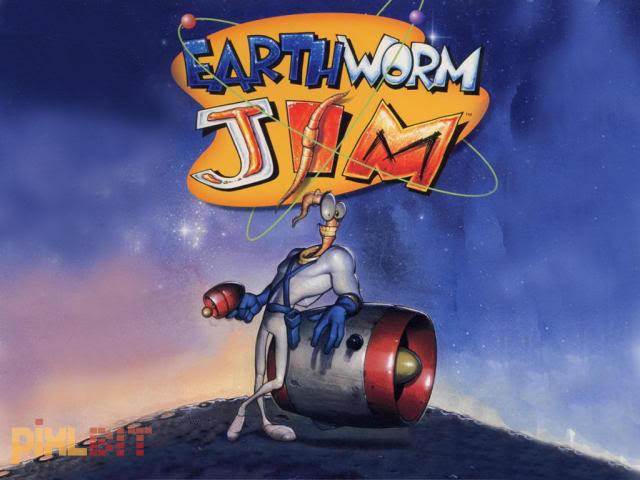
When Earthworm Jim initially launched in 1994 it was lauded for its great gameplay and surreal level and character designs. 16 years later, Gameloft has ported Earthworm Jim to DSiWare and while the game is mostly faithful to the Sega Genesis and SNES versions, it unfortunately features many technical faults, which makes this version disappointing and inferior to the original versions.
There are certain concepts which simply don't work well as a videogame, and fishing is one of those. I'm not into fishing myself, but I can see the appeal in it. It can be just you, out on a boat in the middle of a lake on a beautiful day, sitting back with your feet up, fresh air all around, no one around to bother you, all your troubles forgotten. When you're playing a fishing videogame, then it's just you, on a couch in the middle of an ugly living room decorated by your roommate who has bad taste, sitting back with your feet resting on a pile of empty pizza boxes, hot, stuffy air all around, and your troubles are just one phone ring away. The experience isn't one which can be replicated by a videogame.
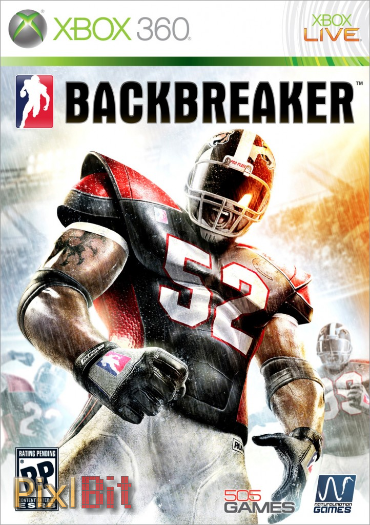
BackBreaker is a one-of-a-kind experience when it comes to football games, offering both first and third person views in an effort to give players the point-of-view of the player from the field. While this is a great idea for a football game, BackBreaker fails to execute it properly.
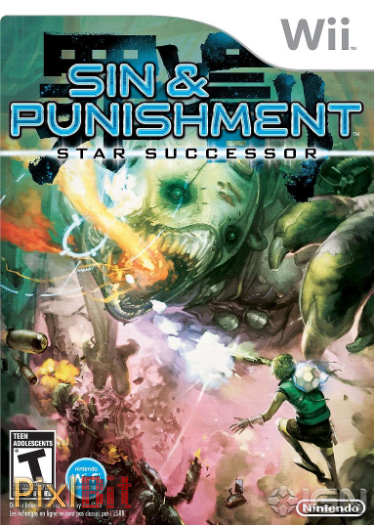
To describe it simply, Sin & Punishment: Star Successor is the modern imagining of classic arcade shooters. I've spoken about this particular genre before, when I've talked about rRootage in the past, and honestly, it's a genre I love. Sometimes modern imaginings of classic genres fail to capture the essence of what they seek to improve; Sin & Punishment: Star Successor unquestionably avoids this, successfully reviving and improving the classic arcade shooter.
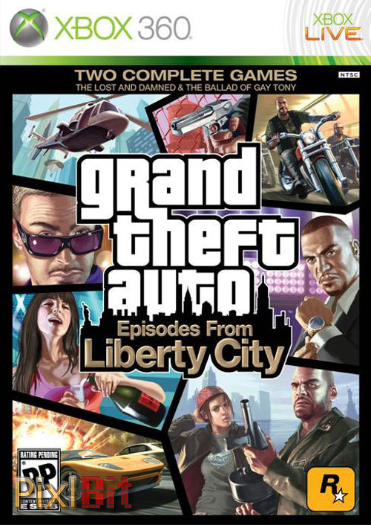
Grand Theft Auto: Episodes From Liberty City is the physical compilation of the two separate expansion packs for Grand Theft Auto IV: The Lost and Damned and The Ballad of Gay Tony. Each episode is completely unique, following a different story and a different set of characters through Liberty City. Though not directly linked to Grand Theft Auto IV, the stories will occasionally wind through the going-ons of Niko, but only as a peripheral occurrence, and clearly only as fan service. Those familiar with the gameplay and style of Grand Theft AUto IV will already know what they should expect from Episodes From Liberty City.
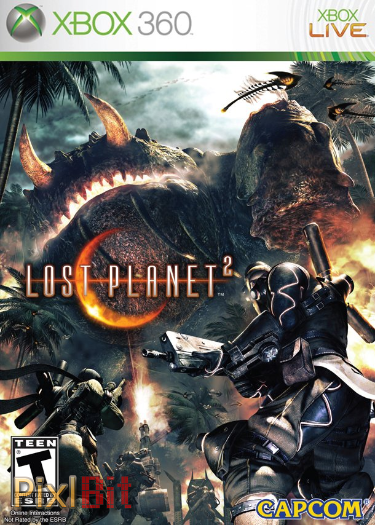
It seems third person shooters are simply unavoidable these days. Some of them feature hand-to-hand combat, others stealthy sneaking. Regardless of the hook, each one of them has that small differentiator that should distinguish it from the crowd. Lost Planet 2 is mostly devoid of anything that might set it apart from other third person shooters on the market. In concept, shooting really big enemies and piloting a mech is more than likely what Capcom was going for, but the execution doesn't do much to make the gameplay feel different or unique.
This game was a late addition to my collection, I ordered it from eBay a couple of years ago. When I played it, I wondered how I had let this true gem of a platformer elude me for so long. Despite the advancements of modern gaming, I was still impressed by the huge, expansion, and intricate worlds that Rare managed to create on Nintendo 64 hardware.
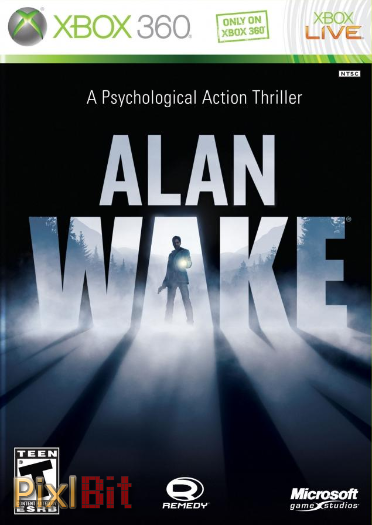
After seven years, Remedy has finally resurfaced with their newest release, Alan Wake, a title which has been in development equally as long. The third person shooter has elements that manage to bring back memories of their previous title, Max Payne. While there’s no bullet-time shooting or film noir storyline this time around, it does keep the fun shooting mechanics that made their previous effort an instant classic.

The Wild West is one time and setting that is completely underused in modern gaming. Though the period seems to have everything you'd want in a game - guns, lawlessness, character-worthy people, and an interesting setting, developers seem to have largely neglected it. Red Dead Redemption proves testament to just how great the setting is and just how to make a game that capitalizes on all of the features it has to offer.
I never owned this one back during its time. Yeah, yeah, I'm sure some of you would consider that to be blasphemy, but what can I say? I actually never even heard of it, but this was before the widespread days of the Internet, and I never heard anyone talk about it. It wasn't until I started collecting that I bought this game. I completed it then, but I haven't really played it since that time.
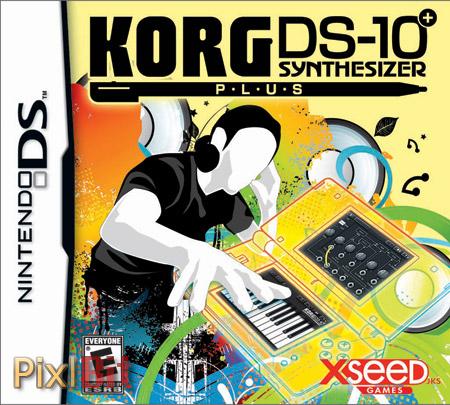
It was my original intention to skip the formality of a written review and showcase just what the KORG DS-10+ can do in video form. As it turns out, this is not as easy as it seems, and some technical difficulties have held up the production. Regardless, it needs to be mentioned just how great this handheld sythesizer is, and just how beginner friendly it can be.

To describe Trauma Team in one word, I'd have to say it's "inconsistent." Parts of the game, I felt were incredible, top-notch video game experiences, while at other points, the game's story and gameplay felt clumsy and cumbersome. Trauma Team falls in line with prior Trauma Center titles in most gameplay, adding two investigative modes, Diagnostics and Forensics. Each mode focuses on a different practice of medicine, and including the aforementioned two, there's also a Surgery, Emergency Response, Endoscopy, and Orthopedics section, creating a diverse selection of game play modes.