
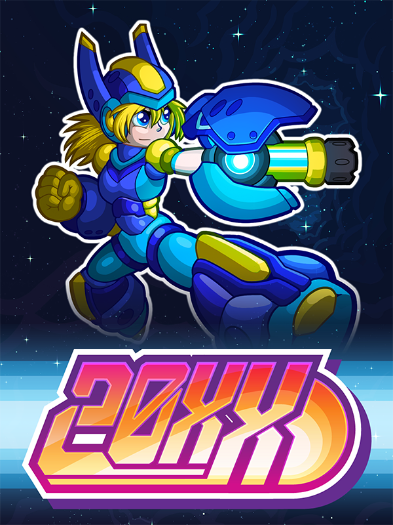
20XX, despite being thoroughly inspired by Mega Man X, manages to distinguish itself by throwing away a good portion of that formula for something much more chaotic. The team at Batterystaple Games has managed to recreate the feel of Mega Man X, in both its control and enemy design, but mashes it into a roguelike design that includes randomly generated levels and temporal upgrades that are gained and constrained to your given run through the game. Each pass you’ll encounter different power ups, approach bosses in a different order and apply different approaches to make your way through. Level and boss design, as well as their relative challenge, will even vary based on how deep into a run you are. Progress can be slow, but somewhere along the way, 20XX will get its hooks into you and you’ll be unable to resist the pull of taking on another level or starting up a new run in an effort to make it to the end.
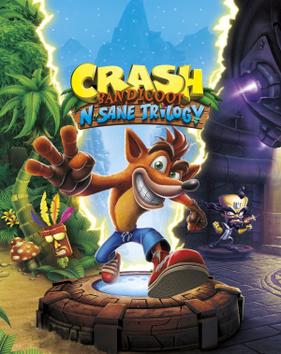
Back when Crash Bandicoot hit the scene, I was a firmly entrenched Nintendo fanboy. Crash, to me, was a second rate 3D platformer that was put to utter shame by the fantastic platformer offerings of the N64. I’ll admit, the N. Sane Trilogy has done little to elevate the core material for me, but it does leave me wishing that other companies would show as much love and care to their older 3D games as Vicarious Visions has shown here.
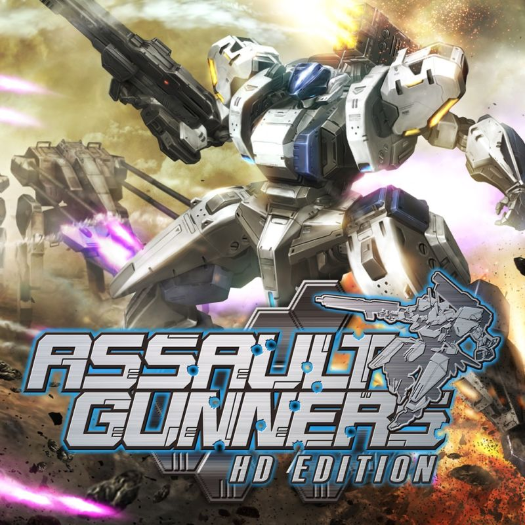
I wouldn’t classify myself as any sort of mech game aficionado, I’ve only played a handful of them over the years, but it’s a weird subgenre that I find myself drawn to. That odd pull, coupled with my infatuation with the Switch, made Assault Gunners HD Edition a prime candidate for play. The budget mech experience isn’t exactly what I was expecting, but it does have a surprisingly deep customization system that significantly outclasses the rudimentary gameplay. Though fun at times, Assault Gunners HD Edition is more often a frustrating slog, that doesn’t really scratch the mech game itch in a satisfying way.
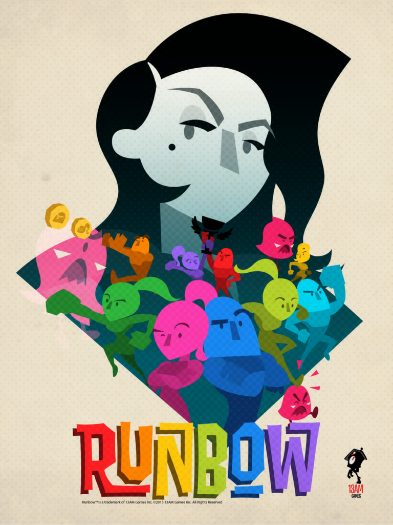
Runbow originally made a splash when it was debuted as a Nindie alongside a small number of other indie games making an exclusive first appearance on the Wii U. Given the fairly thin Wii U library, it quickly became a darling of the Nintendo enthusiast community and its popularity propelled it to other platforms. Coming full circle, Runbow is now available on Switch and its frantic 9 player multiplayer is back in full force. While it’s short an exclusive mode featured there, it offers all the same content as before, just on-the-go, with no compromises like the New 3DS version of the game. As a multiplayer experience, Runbow is chaotic fun, not unlike Smash Bros, but as a single player it’s not quite as entertaining.
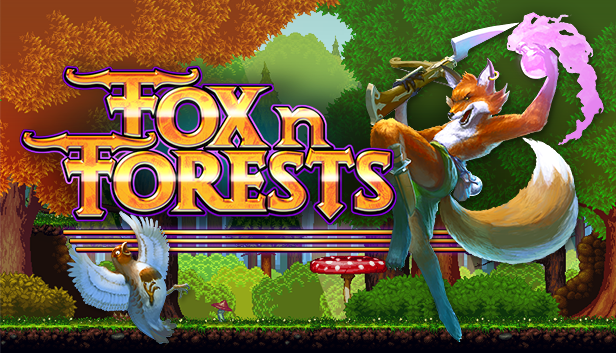
At first blush, it’s easy to pass judgment on Fox n Forests as just another retro-throwback pixel-based platformer, but unlike many other games that adopt that style, it’s actually faithful to the time period. The color palettes, music, gameplay, and even the menus will convince you that this is actually an SNES/Genesis game that’s been lost in time. While the audio/visual experience is fantastically retro, the controls and gameplay both are as well. This means character movement can feel sluggish and janky at times and level designs are such that they thoroughly punish player mistakes.
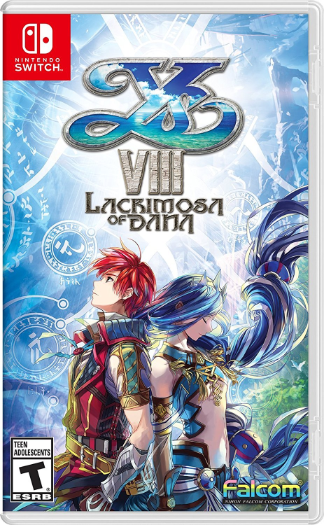
At some point in everyone’s life, they’ve wondered what it would be like to find themselves on a deserted island, removed from the comforts that make civilized life so easy. I’d also wager that many have also dreamed of what it would be like to uncover ancient ruins and be the first to gain a glimpse into the past. Ys VIII: Lacrimosa of DANA capitalizes on both of these contemplations through the lens of Adol Christin. While serving as crew on the Lombardia, Adol is treated to tales of the mythical and uninhabited isle of Seiren, which is thought to be cursed. Upon passing, in classic fashion, a Kraken attacks the ship and despite Adol’s best efforts, destroys it, thrusting him and the ship’s passengers into an unexpected adventure on Seiren. These circumstances setup the experience, pitting the castaways against the harsh nature of the island, as they struggle to escape back to the life they’ve known. As the adventure kicks off, players are quickly treated to solid action RPG combat, an intriguing story, and an addicting gameplay loop that will keep them coming back for more.
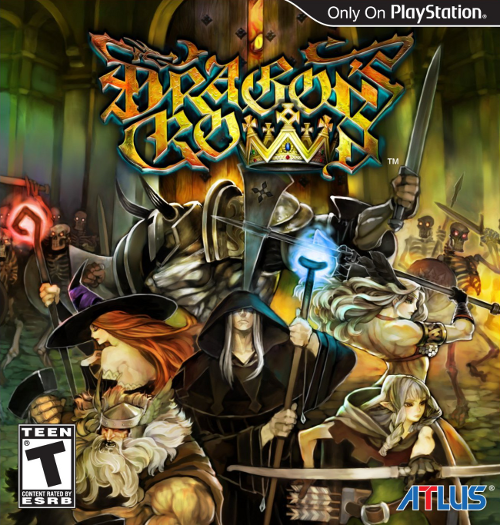
One thing that makes remasters interesting is to see just how a particular game has changed over the years. Dragon’s Crown is fascinating because mechanically the game shows absolutely no signs of aging. In fact, Nick’s review from 2013 still describes the experience you will get now. The six classes remain diverse and varied, offering their own unique experience and encouraging to replay and try them all. The depth in the mechanics and level design remain just as deep now. The art style is still not for everyone, but gorgeous from a technical standpoint, especially now in 4K.
In December of 2017, a spokesperson for EA Games stated that gamers don’t like linear, story-based games as much as they used to. That was an odd comment to me, in a year full of well received single player games, including a sequel to 2014’s Wolfenstein: The New Order. Since I had missed the game back then, I thought this was a good time to finally check it out. Ten hours later, I am deeply pleased that I did.
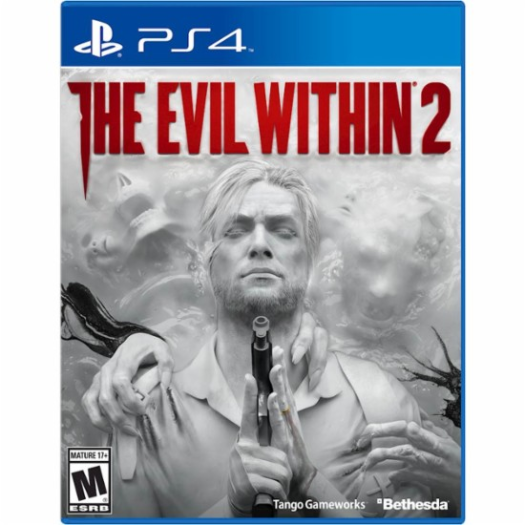
I have been a fan of the survival horror genre since Capcom coined the term to describe their release of Resident Evil way back for the original PlayStation. It’s been a long time since the heyday of the horror game, and getting your scares on consoles has become a rarity. So I was pleasantly surprised that, not only did I enjoy The Evil Within 2 after finding the first game lacking, but it has become one of my favorite entries in the survival horror genre.
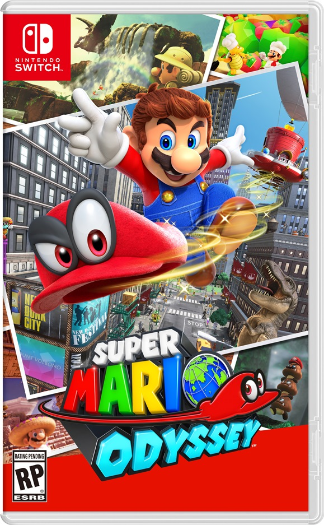
I used to love playing baseball when I was a kid. But the one part I hated about Little League was the participation trophies at the end of the year. I was on some really bad teams and really good teams and on both we got more or less the same reward. Even as a kid I could tell that trophy was meaningless despite the fun I had playing during the season. Like Little League Baseball, Super Mario Odyssey provided me with a ride that is an absolute blast along the way, yet failed to provide a rewarding experience.
I don’t know about you, but when I hear about an indie developed game sporting a pseudo-16-bit pixel aesthetic I find myself rolling my eyes. This goes double when said game is an action/exploration game (“Metroidvania” if you’re lazy). I just find these types of games to be played out. However, if you tell me that WayForward is working on the game you pique my interest enough to plunk down twenty bucks on The Mummy: Demastered, a game I hadn’t heard of. Was my curiosity rewarded? Ehhh…
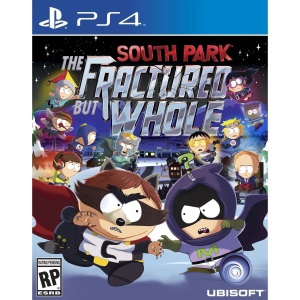
South Park: The Stick of Truth triumphed over adversity to become a critical and commercial success. It was a gamble on a franchise that had never had a great game, went through a protracted development cycle, and survived the closing of its original publisher. Three years later South Park: The Fractured but Whole may not have had as many roadblocks, but it is a sequel to a surprise hit being developed by a different team and attempting to be just as successful as its predecessor. While it may not reach the heights that The Stick of Truth hit, this is a worthy sequel.
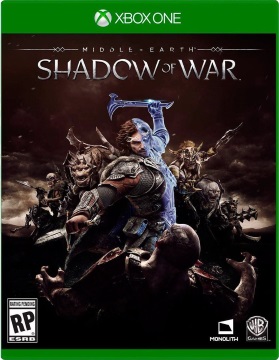
When I reviewed Middle Earth: Shadow of Mordor, I elected to tell a personal story of my journey through the game in lieu of a traditional review, since it best represented the strengths of that title. As I was playing through its sequel, Middle Earth: Shadow of War, I wanted to do the same thing. Unfortunately, there are enough complexities with this release that story time will have to wait for another feature. Shadow of War is simultaneously the most fun I’ve had all year and one of my disappointments for 2017.
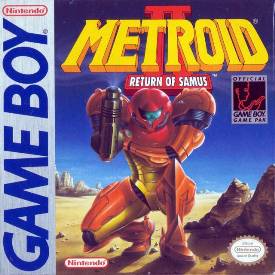
Nintendo is no stranger to making risky decisions that could have resulted in utter failure. After all, they released the Famicom\NES during a time when the consumer market shunned video games. Then there was that time in 2004 when most of us thought they were crazy when they announced the dual screen handheld DS. And many were skeptical when motion controls were introduced on the Wii console. Nonetheless, their decisions proved to be a significant success. Such was the case with the early Metroid series.
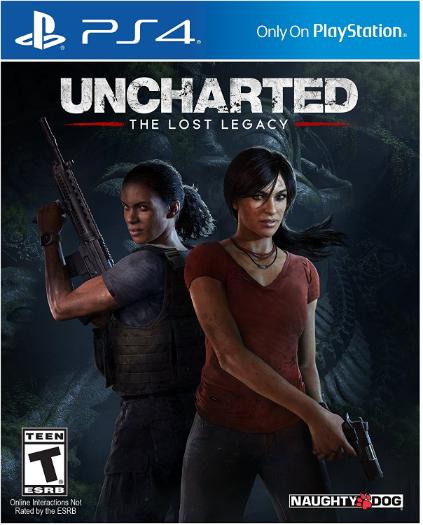
If Uncharted 4's subtitle “A Thief’s End” didn’t clue you in, main character Nathan Drake ended his adventures with the last entry. However the series has continued with Uncharted: The Lost Legacy. This entry follows the adventures of Chloe Frasier, Drake's former partner and love interest as she teams up with Uncharted 4’s villain Nadine Ross to find an Ancient Indian treasure on some grand adventure full of climbing, explosions, and wonderfully corny jokes.
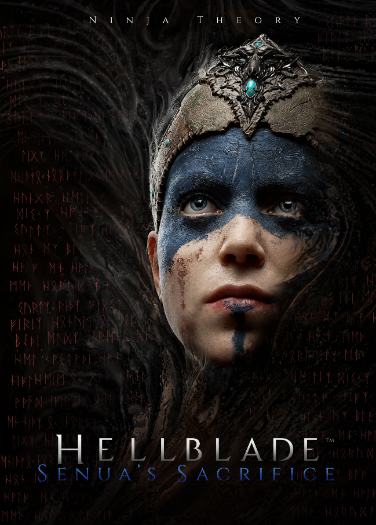
When Hellblade: Senua’s Sacrifice was unveiled at E3 in 2015, I had certain expectations. As the next game from developer Ninja Theory, I naturally assumed that it would be a stylish character action game replete with skill trees, flashy combos, Quick Time Events, and mind-boggling performance capture work. What Senua’s Sacrifice actually is took me completely by surprise and, while it is nowhere near the game I was expecting, it is something truly special.
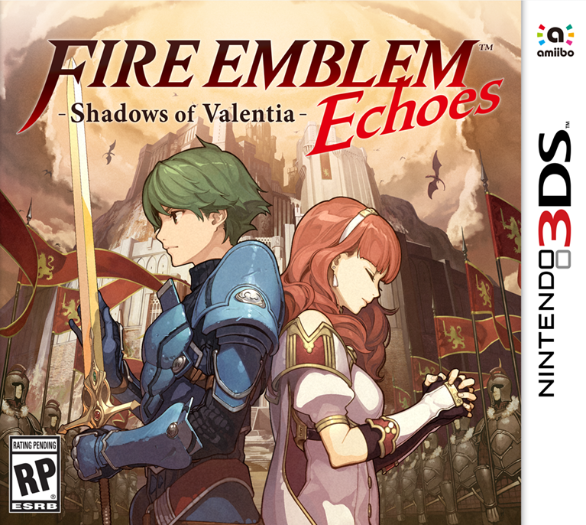
As much as I loved Fire Emblem: Awakening and Fire Emblem Fates: Birthright, I was skeptical when another game, Fire Emblem Echoes: Shadow of Valentia, was announced to be released this year. While I’m happy to see this franchise finally gain some much-needed popularity outside of Japan, I’m not sure if I want to see the series become annualized. I have yet to play through the other two campaigns for last year’s game, and after spending over 40 hours with Echoes I might be good for a while. Or then again, I might be just as addicted as I was last year.
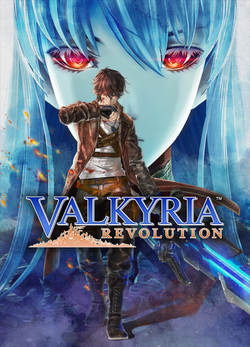
I have very limited experience with the Valkyria series outside a bit with the second entry I mostly forgot about. I know past titles were turn based strategy that has to player take control of each soldier individually, where it controls more like a shooter. And I can say that Valkyria Revolution is nothing like that, instead going for an action RPG approach while still trying to hold onto its identity.
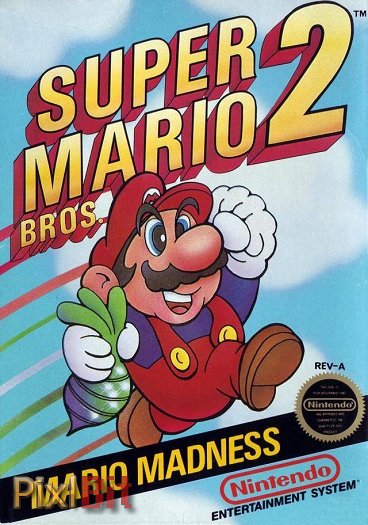
If you told me when I was a kid that Super Mario Bros. 2 was merely a localized version of a pre-existing game from Japan, I wouldn’t have believed you. But in fact, that’s precisely what Nintendo did for the US release of the next chapter in the Mario series. This was mostly due to the fact the original Japanese sequel was nearly identical to Super Mario Bros., only with slightly improved graphics. There was also concern that the game’s high difficulty would be off-putting for American audiences. The solution? Take Doki Doki Panic, swap out the main characters, slap a “Super Mario Bros. 2” label on that bad boy, and you’ve got yourself Nintendo’s best-selling game of 1988.
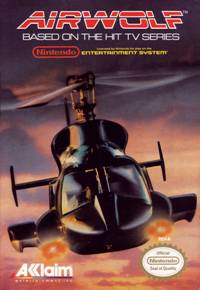
Airwolf is one my favorite ‘80s TV shows. Originally airing in 1984 to 1987, the premise centered around a high-tech military helicopter capable of reaching supersonic speeds. In addition to the entertaining action sequences and interesting plot, Airwolf is perhaps best known for having one the most distinctive theme songs of the ‘80s (intro clip included below). Naturally, it was only a matter of time before we would see a video game conversion. There was an arcade version by a company called Kyugo in 1987, but the home console release was only for the Famicom. The NES finally saw its own version of Airwolf when Beam Software developed it with Acclaim as the publisher in 1989- 2 years after the show’s final season. Needless to say, this version had a lot to live up to.
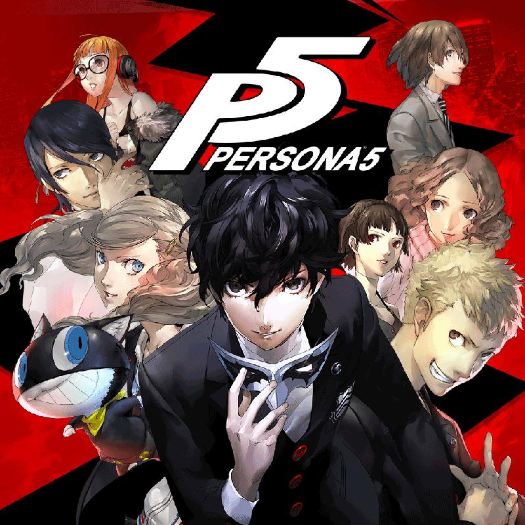
“Style over substance.” A term often applied to a work with strong aesthetics, yet an overall hollow experience. Yet Persona 5 could have offered a story written by George Orwell alongside gameplay deeper than Dark Souls and it still would have been a case of style over substance. The only possible way it could have added any more style points would be if Michael Jackson moonwalked his way to lend a hand in a fight.
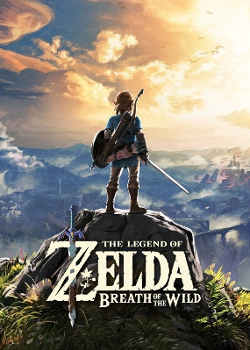
I remember the first time I played Super Mario 64 and was amazed at seeing Mario move in 3D. I remember thinking how vast and expansive the fields of Hyrule looked in The Legend of Zelda: Ocarina of Time. And I remember carjacking a truck, driving as fast as I could until flying off a cliff in Grand Theft Auto III. At the time, these games all had an unrivaled sense of freedom. They formulated a magical feeling, as new doors seemed to open and an experience I could only imagine was now real. The Legend of Zelda: Breath of the Wild now joins these titles in creating the same sense of wonder.
By now, we’re all aware of the joke: if you own an intellectual property of any import, Telltale will make a game based on it. Telltale adventure games are quickly becoming the Funko Pops of the video game world, but just like those big-headed collectibles, there is no denying their popularity. Enter Batman: The Telltale Series. Is this “just” another Telltale game? Well, yes, of course it is. That shouldn’t suggest that it isn’t worth your time, though.
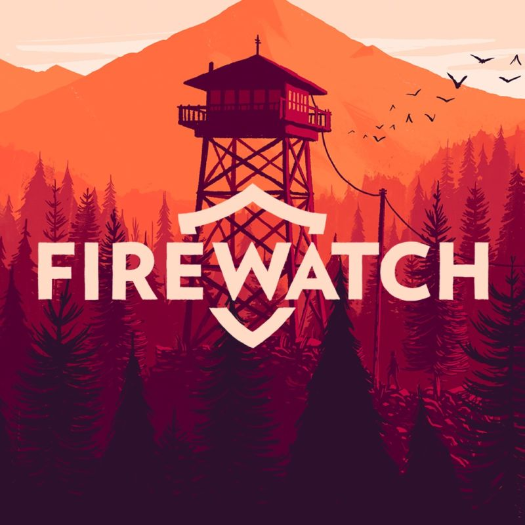
We’re in a unique situation with video games right now. While there is a perceived waning interest in big “triple-A” releases (for a variety of reasons), the industry has reached a place where smaller and more personal tales can be told. These games take a multitude of forms, and as I mentioned in my review for Virginia, a new “day in the life” genre has popped up recently. Firewatch is certainly one of those games, and it is one that came along at just the right time for me.
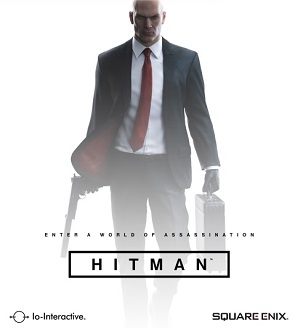
When I reviewed 2013’s Hitman: Absolution for PixlBit, I talked about how I had to put aside my expectations of what I thought a Hitman game should be and instead look at what IO Interactive had actually made. Ultimately I enjoyed Absolution, but I was left hungry for a game that gave me the same stealthy thrills as Hitman: Blood Money. When it was announced that there would be a new Hitman game released episodically over the course of 2016 I didn’t know what to expect. Would it be a follow up to Absolution, or would it be a return to form for the series? Well friends, tighten your red ties and grab your fiber wire, because Agent 47 is back in a big, big way.