
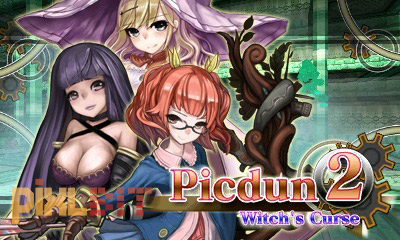
Can we talk about women? They’re a wonderful part of our society; in fact they make up just about half of it. With that many of them around, they’re able to have a huge impact by being mothers, scientists, lawyers, caretakers, nurses, teachers, doctors, police officers, and will even be fighting on the front lines of the U.S. military. Yet, the makers of Picdun 2 think it’s just fine to stick ridiculously sexualized females into their stupid game to rake in a few bucks and set the entire gender back a few steps in the process.
Sometimes, it seemed a bit odd how quickly Nintendo used new characters to star in spin-off games. A bit less than two short years after his debut game, Donkey Kong's nephew Diddy Kong switched his pursuit of tasty bananas to silver coins in this kart racer from the once-proud Rareware. Even stranger, Donkey Kong himself is nowhere to be found. Weirder still, most of the other characters are original creations just for this game. Regardless, this ragtag racing team appeared in a game that offered just enough variation from Mario Kart 64 to have made it worth a look.
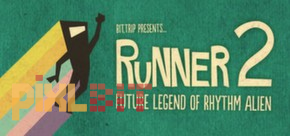
I’ve often said that simplicity is underrated, especially when it comes to video games. Growing up there wasn’t much you had to learn to play a video game. With only two buttons and a d-pad, there were only so many control schemes you could cram into an NES game. Some may think that’s limiting, but I think it’s more inviting. Anyone can pick up an NES game and be able to figure out the basic controls right away. Mastering these controls, well, that’s a different thing all together.
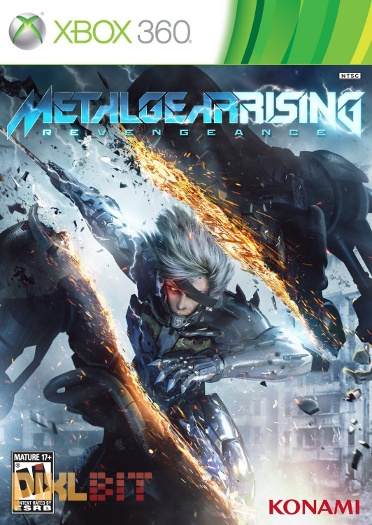
Spinoffs can be a dicey proposition. There’s a real danger of diluting the name of the original franchise by slapping it on a bunch of games that are only somewhat related, and if the spinoff isn’t a quality game to begin with it can cause brand degradation. When a spinoff succeeds though, it can lead to an entirely new franchise that runs parallel with the source material, slicing and dicing its own path to popularity. I’m happy to say that Metal Gear Rising: Revengeance is just that type of game; something that can stand on its own as a great action game while still fitting into the convoluted Metal Gear universe. But this isn’t your daddy’s Metal Gear; if Solid Snake is a little bit country, Raiden is 100% metal.
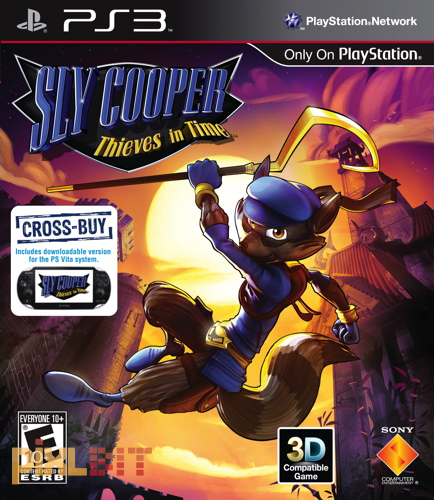
Mascot games are kind of my thing. Mario, arguably the first ever platform “mascot” (with all apologies to Pitfall Harry and Pac-Man), is the dude that lured me into a lifelong obsession with video games in the first place. I gobble up practically every one I come across and among them the Sly Cooper games have remained a stand-out franchise. With a trilogy of games hitting the PlayStation 2, it seemed only natural that Sly would find his way to the PlayStation 3. But with Sucker Punch moving on to inFAMOUS it seemed any hope of a current generation Sly game would be going up in smoke. Thankfully Sanzaru, developer of the acclaimed HD trilogy treatment, stepped up to the plate and took the series in its charge. Could they regain Sly’s former glory?
The 3DS eShop can be a dangerous place. Littered with just as much shovelware as gems, it can be tough to know what you're getting into after a brief skimming of the media associated with a given title. In the case of Johnny Impossible, the association with publisher UFO should already be enough to make your spidey-sense tingle, but if you’re still on the fence given its Metroidvania gameplay, let me assure you, it’s no diamond in the rough.
Much like the sequel to Evil Dead, Corpse Party: Book of Shadows opens up to a very familiar scene. In fact, it’s basically the same start to the previous game. Unlike that second Evil Dead, the characters in this story are vaguely aware that they’ve been in this situation before, but not soon enough to seal their collective fates once again. Yep, it’s back to the cursed and deadly Heavenly Host Elementary school. If you're into Japanese culture, you'll notice a lot of plot devices involving déjà vu. This whole game feels like one massive case of déjà vu, and I’m just not feeling it this time around.
I’m sure I’m not the only one who spent countless hours in the elementary school library reading each and every Choose Your Own Adventure book available, exploring each and every deviating path the story offered. Zero Escape: Virtue’s Last Reward is not unlike these books of our youth; however, it offers an added puzzle-solving experience that differentiates it from its paperback brethren. If you’ve any love for these types of experiences, there’s no question that Virtue’s Last Reward will have you on its hook for well over 30 hours.

Boy, since jumping in video games is a lot of fun, it’s gotta be really great to play a whole game that lets you just jump, jump, jump all the way to Heaven! Ducking? Pshhhhh. Shooting? Lame. Variety? Pass. All we want is that sweet, sweet jumping! These and other idiotic statements must have been scrawled down during some malformed focus group of imbeciles when the developers of Ah! Heaven were doing preliminary planning for their amazingly boring platformer.
Have you ever played a tabletop RPG? If not, the formula in my abstract may sound like some sort of foreign language to you. Essentially, a tabletop RPG is a lot like a video game RPG but instead of a computer calculating random numbers, dice rolls determine all your actions. Will your attack hit? Roll some dice according to a formula. How much damage will it do? Roll another set of dice. Will the attack be critical? Roll again. You get the idea. You honestly can’t even eat a snack without rolling for initiative. It’s this problem that gave rise to the digital version of the RPG, which replaces dice rolls with random numbers generated by a computer.
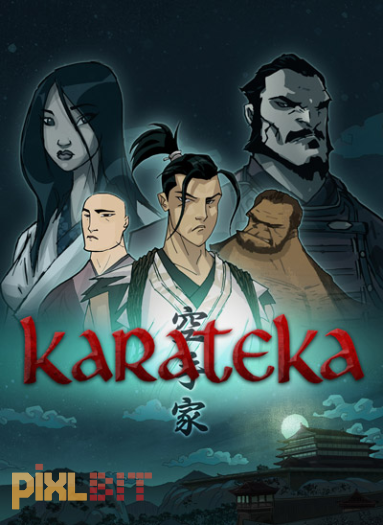
Remakes can breathe new life into classic games, which despite being paragons of their time, are now becoming relics of the past. They represent a chance to update more than graphics and sound, but also gameplay and value to match contemporary standards without compromising the timeless elements for which they were originally known. Karateka, a remake of the 1984 martial arts-themed Apple II game of the same title, is true to its roots but aims unfortunately low in terms of bringing something new to the table.
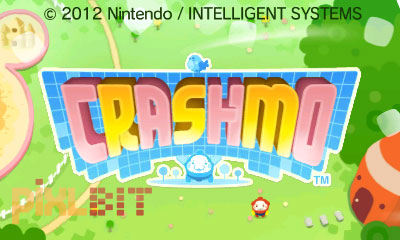
Pushmo was a wonderful surprise back when it was released in 2011; the Intelligent Systems developed puzzle/platforming game took a simple premise and made it a fantastic in-depth game with a nice custom-builder. Much to my surprise and delight, Nintendo and Intelligent Systems made a sequel! Crashmo, like its predecessor, has Mallo pushing and pulling blocks. However, the effects of gravity now play a bigger part in the game, because now the blocks crash to the ground.
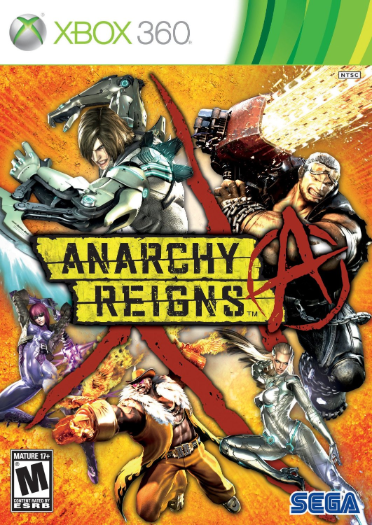
If you’ve been asking for more from your games, then Anarchy Reigns might be just what you need. It’s got more racial stereotypes, more campy dialogue, more leotard-clad dominatrixes, and more ridiculous fighting than you could ever need. If you want to groan at the thought of all of these disgusting and tired gaming fallbacks being crammed together, take heart! The entire crazy package is a total goof and it’s pulled off perfectly in one of the greatest send-ups of video game tropes ever made that’s also genuinely fun.
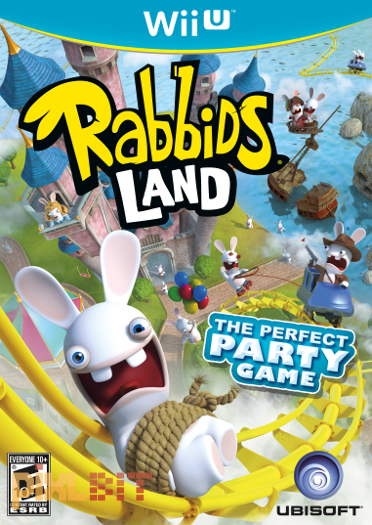
For better or worse, Ubisoft shows up at most new consoles on day one like an excited but clueless child on the first day of school: brand new pencils, lunch box, and folders, but also torn jeans, hole-y sneakers, unkempt hair, and the same mustard-stained shirt they wear every week. Hey kid, did you get yourself ready for launch day in the dark? With the Nintendo Wii U, Ubisoft is looking sharp with a range of heavy hitters like Assassin’s Creed 3, to new creative new work like ZombiU, and then you have their recurring badge of mediocrity in the form of Rabbids Land. The Rabbids have made a zany name for themselves over the years and their newest outing is more akin to games like Mario Party than anything else. I can say after spending some time with it that it’s not a great game, but it’s not terrible. Rabbids Land is a party game, and that’s that.
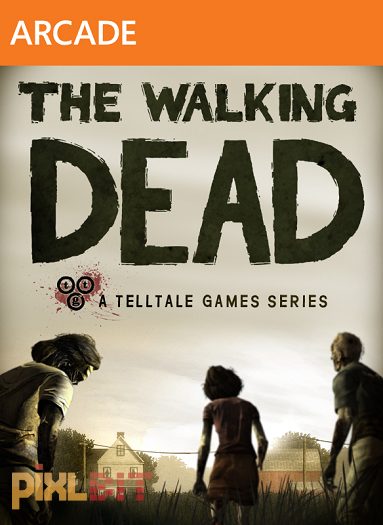
With four episodes under Telltale’s belt, episode five was meant to cap off the season in an appropriate and satisfying fashion. Episode four left off with a huge cliffhanger that set a grim tone for this last episode. If anything, I was worried that the episode might not deliver. Endings are always a touchy subject (am I right, Mass Effect fans?). However, I was glad because Episode Five – No Time Left hit all of the marks that it was supposed to, and then some.

Beautiful aesthetics, wonderful music, and just about perfect controls are all you could hope for in a platformer save one very important factor and this eluded me for a while. I couldn’t figure out with so many great things going on in Pid why I hated it so very deeply. Eventually I realized that its well-crafted elements were completely overwhelmed by the boring, mediocre, and at times maddening level design. It’s a shame that the designers primarily focused on the window dressing bits instead of considering all the things you would actually be doing when you play. Pid struggles with knowing what sort of levels it wants to present, switching from puzzles to difficult platforming to stealth to long periods of just waiting around or running in a straight line. Each of these disparate level types (and more) are middling at best on their own and when combined are a complete drag. Pid’s wonderful presentation can’t save it from the tedium packed into every single minute of its tortuous length.
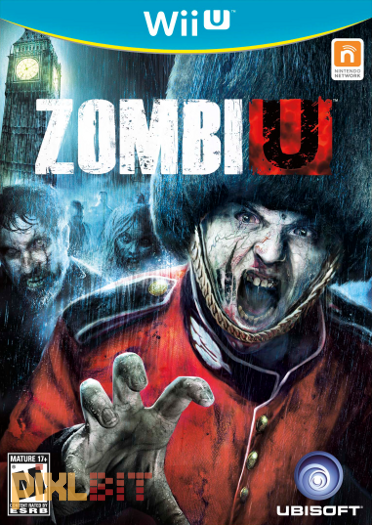
Take this how you will, but I am scared of playing ZombiU. Every time I pick up the Wii U Gamepad to start playing, I get a feeling of dread, and worry. Before I start, I carefully consider my last outing in the game, and identify what it is I have to do in order to survive as long as possible. This is a feeling that no horror game has brought up in a long time. While my fear of ZombiU can be seen as a positive or a negative depending on the context of the question, there is no doubt that ZombiU is an achievement in the survival horror genre.
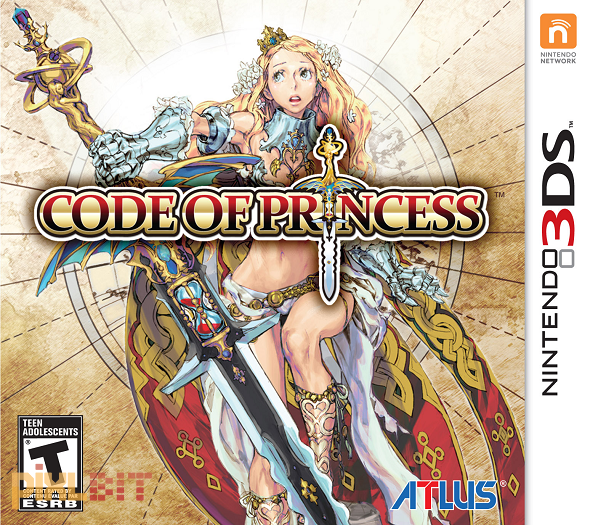
From the moment Code of Princess was announced, comparisons between it and Guardian Heroes were inevitable. Videos quickly showed that the gameplay was extremely similar, and quite a few members of the staff that previously worked on Guardian Heroes were on the design team. It's a fair comparison, and a rather impressive one considering Guardian Heroes did a lot for the brawler genre at a time where it was at risk of becoming irrelevant. It’s chief contributions included the inclusion of RPG elements like leveling, stat management, and magic, at a time when this practice wasn’t nearly as mainstream as it is today.
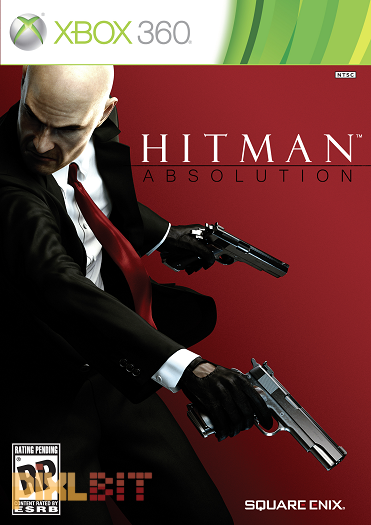
After thoroughly enjoying 2006’s Hitman: Blood Money, I was excited to see what IO Interactive could do with a truly next gen version of Agent 47’s world. Better tech and graphics should equal a better game, right? Well, yes, but the kind of game that Hitman: Absolution actually is turned out to be a completely different experience than I was hoping for, and it took me a while to reconcile my hopes against the reality of what’s on the disc.
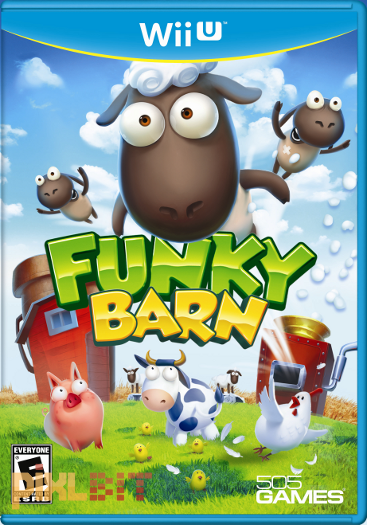
I'm pretty sure I'm going to have to turn in my gamer card for this one, but Funky Barn is a legitimately fun game. I know it sounds like shovelware garbage, and it does seem like it was built on the budget of such a title, but the farm sim is actually competent in its design, complete with an addictive game loop. Unfortunately the game's low budget is painfully obvious – from the low quality art to the long loading times to the hard freezes, Funky Barn has a healthy dose of anti-funk.
Like many games featured in the Wii U launch, Trine 2 saw release on other platforms at a much earlier point. However, with its release on Nintendo’s new hardware it seems to have found its true home. Through combined use of the Wii U GamePad’s touch screen and its traditional controls, players have the most effective means of interacting with this beautiful game yet. With the addition of the Goblin Menace expansion and the exclusive Dwarven Caverns level, there’s little question that the Wii U edition of the game is the one to get.

If you noticed the developer on Aero Porter, your interest may have immediately piqued. Vivarium, which should be synonymous with Yoot Saito, helmed creation of this second entry in Level5’s Guild01 series. Like his previous works, Seaman and Odama, Aero Porter is an odd beast that’s fascinating in concept, but rather painful in execution. Aero Porter is not fun – but on the other hand, it doesn’t seem like it’s trying to be. Saito pulls no punches; he’s very up front with the fact that you’re going to be running the baggage sorting at an upstart airport and it’s very much your job. And jobs entail work, which is exactly what Aero Porter feels like.
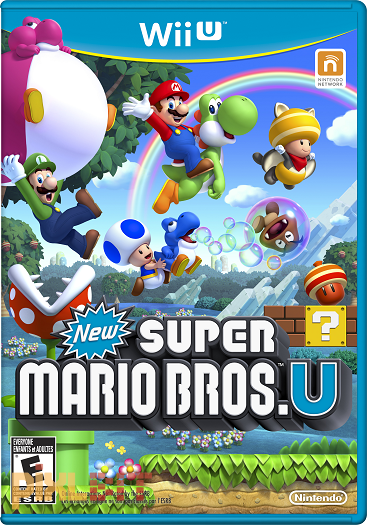
Being the fourth entry in the series, prepending “New” to the title seems disingenuous. Despite tossing in a new power-up in the form of a flying squirrel suit, New Super Mario Bros. U is more of the same tried-and-true gameplay the series is known for. Don’t get me wrong, this is not a bad thing, but it’s hard not to feel some fatigue with the now familiar art style, level layout, and presentation. Despite this fatigue, there’s little question that New Super Mario Bros. U is the strongest title in the subseries and a fond callback to both Super Mario Bros. 3 and Super Mario World.
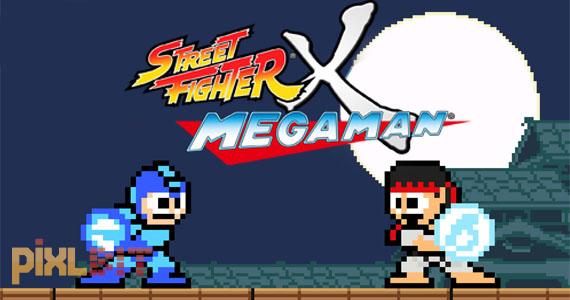
I love Mega Man, and have ever since I played Mega Man 2 at a friend’s house in elementary school. Even now I’ve been known to pop the Xbox version of the Mega Man Anniversary Collection into my 360 from time to time to replay some of the better games in his 8-bit career. Needless to say, when I heard Capcom had picked up Street Fighter x Mega Man—a reportedly well-made and interesting fan project— to release to their fans for free, I was understandably excited.
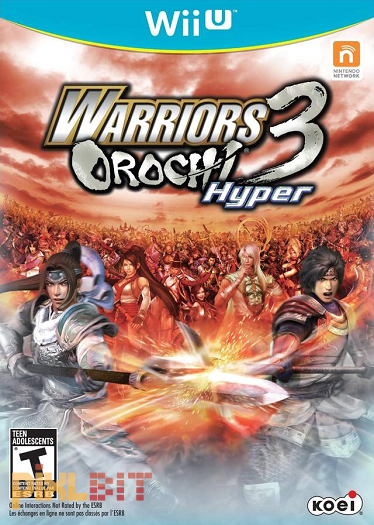
The Warriors series caters to a very particular type of gamer. It’s the gamer that enjoys the most simple of things when it comes to their hobby. The level of entry needs to highly accessible – mechanics relegated to a few basics that can be picked up with ease, even if mastering them takes some practice. The gamer needs to feel powerful – the ability to take on huge swathes of enemies at a time with little effort. There should be collectables of the low hanging fruit variety, with the larger goal of “completion” nestled at the end, just out of reach, but completely attainable.