
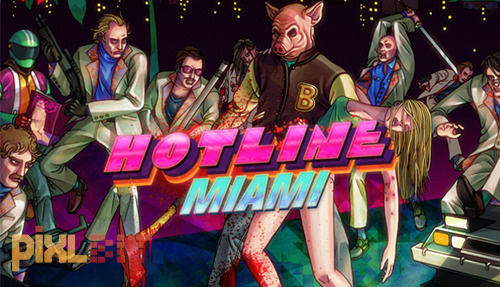
There’s no denying that social media has transformed the way we get information about video games, especially when it comes to smaller indie titles. I had never heard of the game Hotline Miami until my Twitter feed began to blow up with hyperbolic praise. It was one of the best games of the year! The best soundtrack in the history of video games! The most fun to be had in the digital space…ever. So when we got a review code for the game I jumped all over it, eager to learn what all the fuss was about. Now I’m sitting at my computer and scratching my head, wondering if I missed something, or if I need some of what the people I follow on Twitter are smoking.
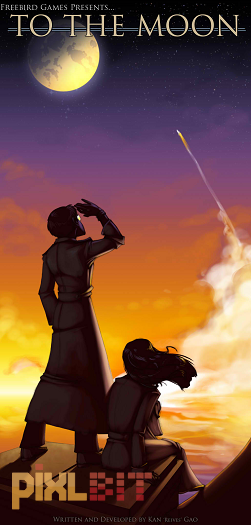
To the Moon created a bit of buzz a few months ago. Originally released in 2011 through the author, Kan Gao’s website, the game acquired a cult following. People who played the game praised it, claiming that it had one of the best stories in gaming. Now that the game is available on Steam, even more players will be able to see if those claims were legitimate. From my time with the game, I can say that it lives up to the hype.

Little King’s Story was one of the many games to see release on Wii that went mostly unnoticed. While I didn’t have an opportunity to play it myself, I did watch quite a bit of it and had always wanted to dive into my own quest. The quasi-re-release of the game on Vita as New Little King’s Story has afforded me that opportunity, and for that, I am thankful. While the little king seems to have hit his teen years, the cutesy charm and simulation/RPG elements that defined it three years ago still ring true.
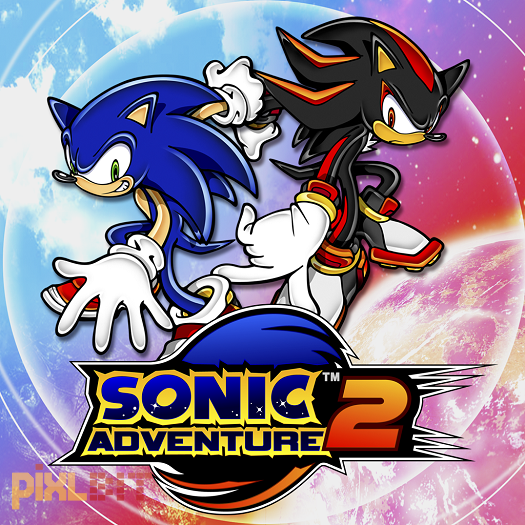
I have fond memories of Sonic Adventure 2. The revision, Sonic Adventure 2: Battle, was the first game I ever played on a Nintendo Gamecube, and I remember that moment very clearly. At the time, I swore it was one of the coolest games ever. Running down the side of a building at high speeds? It was awesome to me at the time. On top of that you had two parallel stories that lead to an epic final chapter. I made it a priority to eventually own the game and I did, and I enjoyed it a lot. From the campaign to the Chao garden, I spent a lot more time playing Sonic Adventure 2 than I should have. Looking through the lens of Sonic Adventure 2 HD, it’s kind of hard to see why I enjoyed the game so much in the first place.
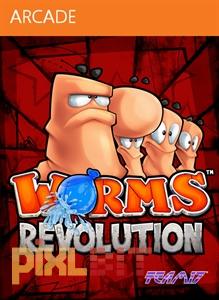
My introduction to Worms came with Worms Armageddon for the Nintendo 64. I was working in gaming retail at the time, and that game took our store by storm. We’d spend hours after closing playing that game, and those are some of my most cherished multiplayer memories. Since then, I’ve been chasing that feeling, only to come up short every time. The first Worms on XBLA felt stripped down, and I couldn’t find anyone to play Worms Armageddon 2 with me. So here I am, playing Worms Revolution for review, and trying desperately to recapture that magic I felt huddled around an N64 with three of my friends. Even though Revolution is an enjoyable game, it seems that my quest continues.

Whenever you hand a franchise off to an outside development studio, you run the risk of it being handled poorly. This is a particular concern with Forza Horizon, as it marks the first time Turn 10 Studios has allowed another company to handle the property. Furthermore, Playground Games, the studio behind Forza Horizon, is completely unproven. Thankfully, this group of racing game vets has managed to create an experience that has universal appeal; its construction is one that brings both simulation and arcade racing fans to the table.
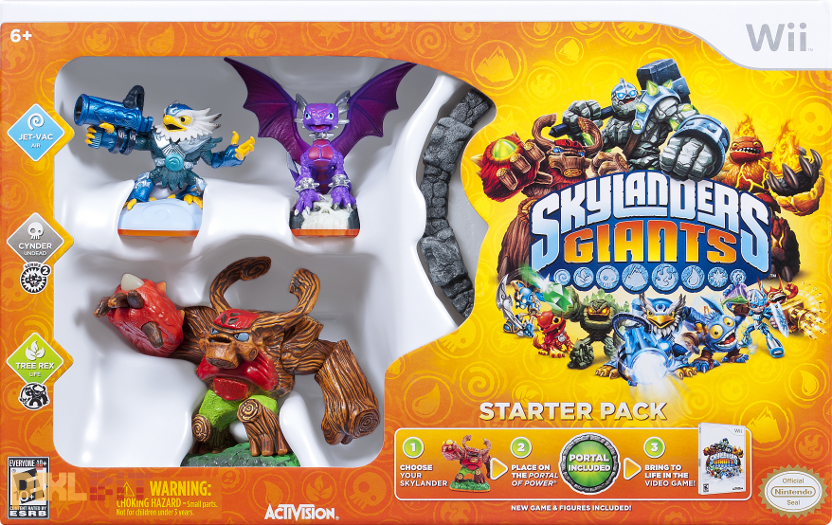
I really wish I understood this Skylanders craze. Don’t get me wrong; I totally understand the obsession over the toys themselves, they’re pretty neat on their own right. Plus, bringing them into the game via the Portal of Power truly excites both my inner-nerd and inner-child. However, the game these plucky creatures get dropped into is so basic and mundane, it’s puzzling to me that there’s still a market for it all.
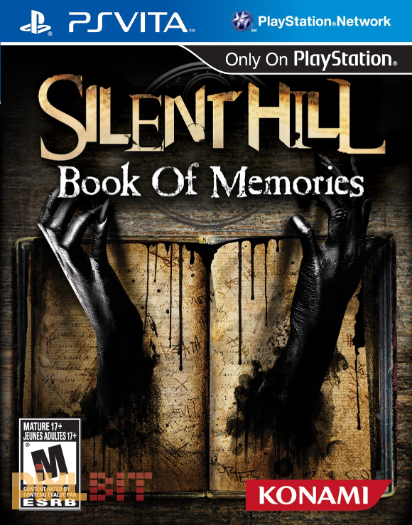
I’m not really sure what Konami and WayForward were going for when they made Silent Hill: Book of Memories. While it bears the Silent Hill name, it draws nothing but characters and visual design from the series. As someone outside of the fan base, I don’t mind this departure; however, their attempt to marry a dungeon crawler to the Silent Hill formula results in gameplay that even fans of the genre won’t appreciate.
Horrible… so, so horrible, it pains me to even think about it. Oh, no, not Dead or Alive 5, just the horrendous story mode that you're required to complete to unlock all of the characters in the game. Trust me; I totally understand the value of having some goals to work towards, especially goals that have some associated pay-off. Costumes would have been more than sufficient; however, I was forcibly pushed through the over-the-top, ridiculous, and repetitive story mode of Dead or Alive 5 before I could really appreciate the meat of the experience. Thankfully what's tucked away is quite good - a noticeable improvement to the complexity of the core fighting system.
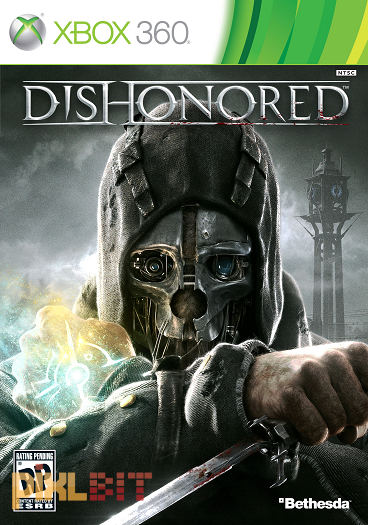
Something is telling me that I need to unleash my inner cynic and find ways to trash and nitpick Dishonored after it received so much hype. I tried my best to find things that were poorly done or off-putting. All that effort was a waste because everything I found wrong with the game was so minor and unimportant that it made realize that I don’t think I’d change a single thing. Dishonored is one of the rare instances where all of the pre-release excitement and anticipation is completely justified and I’m happy to get to pour on additional praise.
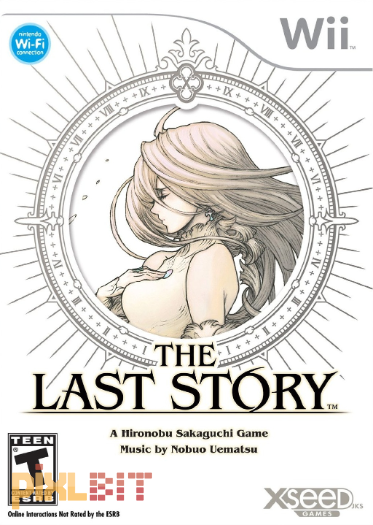
I’ve been excited for The Last Story since I heard about it a few years back. Being helmed by Hironobu Sakaguchi, the creator of the original Final Fantasy titles, and with work from the brilliant Nobou Uematsu, it seemed like a title that was destined to be great. Previous to the game’s launch, I expected a content rich, traditional JRPG with an epic story and addictive gameplay. After completing the game, I can say that I enjoyed the game a lot, but it didn’t exactly live up to what I imagined it would be.
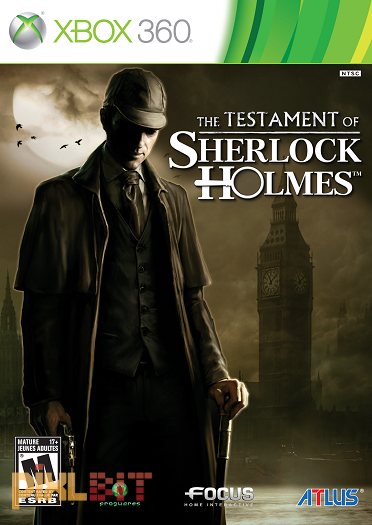
European developer Frogwares has spent much of the past decade building a company around Sherlock Holmes, releasing eight adventure games featuring the iconic character since 2002. No developer knows Holmes better than Frogwares, and it's safe to say its latest offering, The Testament of Sherlock Holmes, is the most ambitious yet.

Having purposely kept away from real-time strategy games after an unhealthy period with Age of Empires II over a decade ago, I was unsure what crazy changes had taken place in the genre. What insane new systems had evolved and how would I cope with them? If Tryst is any indication, not too much has changed in all that time, though Tryst tries really hard to inject some new ideas. Even adding on a few good-intention bonus points, Tryst is still a bland sci-fi entry in a genre that could really use some juicing up.
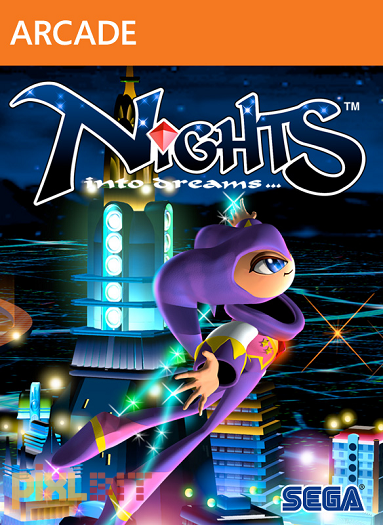
Nights Into Dreams has unquestionably been treated with love in its transformation into HD. The Japanese exclusive PlayStation 2 version of the game has been upscaled and displayed in wide screen, making the once blocky presentation smooth and vibrant. Even the sprites were upgraded to 3D objects, providing some extra visual flair. Heck, Sega even included a trimmed version of Christmas Nights for good measure. However, the port suffers from the same botched controls found in that PlayStation 2 version of the game and the rough patches of the experience persist despite the loving upgrade.
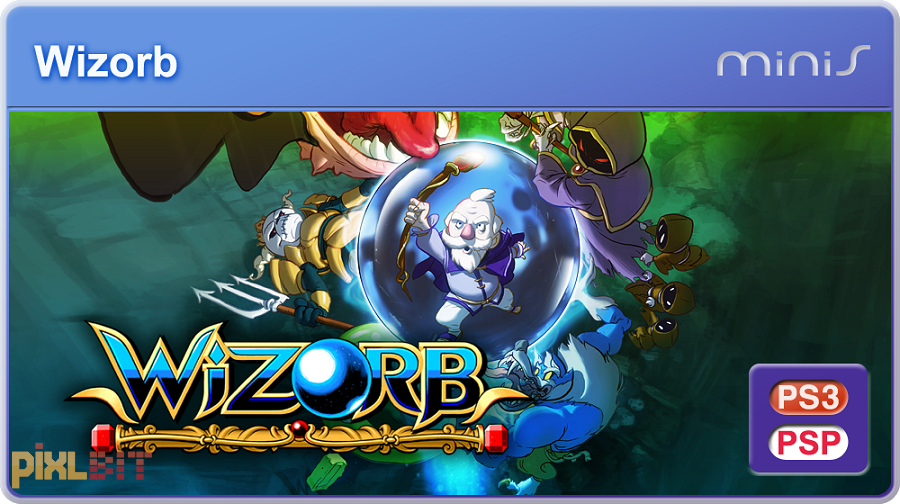
I’m a sucker for retro. Give me some faux-8-bit graphics and some simple game mechanics and I’m hooked. Make the game challenging where I have to force myself to hone reaction times and I’ll put in hours to rack up high scores. Combine two classic game types into some new great thing and I’m likely to be smitten for months. Enter Wizorb with its Dragon Warrior RPG aesthetic and Breakout style battles, and I was drooling. That was months ago. My drool has long since dried, and now so have my tears as I’ve come to accept that Wizorb is just too damn difficult.

Video games are truly a unique medium. They blend graphics, sound, characters and story with intricate mechanics to create a completely immersive experience that simply can’t be duplicated anywhere else. When a game is crafted well, these elements merge together seamlessly, forging an illusion that is difficult to break. Then there are games like Red Johnson’s Chronicles: One Against All, a game so disjointed and jarring that it not only broke the immersive illusion for me, but it actually forced me to think long and hard about video games as a whole, and ask myself if they’re worth my time.
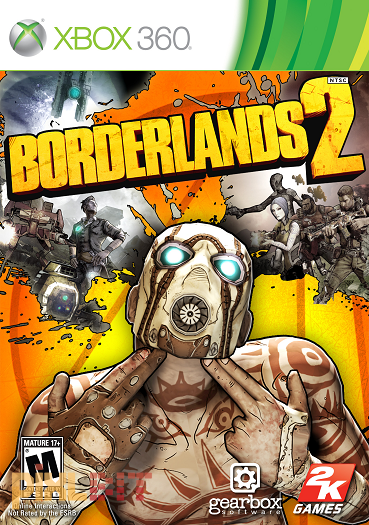
Despite the dry and arid climate and the minor annoyance of rampant psychopaths and killer animals, I can say that I was genuinely excited to revisit Pandora with Borderlands 2. Unsurprisingly, little has changed since my last visit, which is both good and bad. Like its predecessor, traipsing across the landscape, slaughtering dozens of enemies along the way and looting everything in sight is highly addictive; however, despite the numerous tweaks made to the formula, the core experience isn't any better than what you saw the last time around.
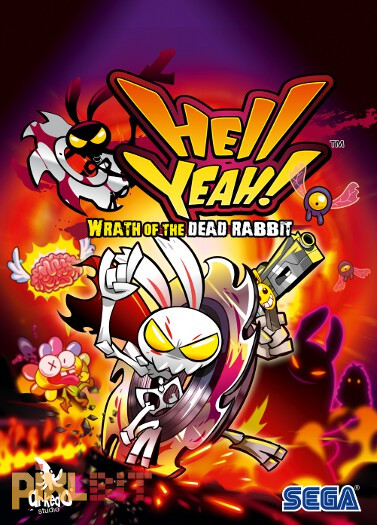
As someone who cut his teeth on Super Mario Bros., Mega Man, and Sonic the Hedgehog, I have a fondness for the 8- and 16-bit sprite art classic style, but I also want to see games that evolve the 2D platformer and bring it into the 21st century. I often ask myself how things would be if the games industry never moved on to polygons but instead kept refining their sprites for 25 years. What would that game look like? Thanks to Arkedo and their new game Hell Yeah! Wrath of the Dead Rabbit I have my answer, and that answer would be “pretty damn sweet.”
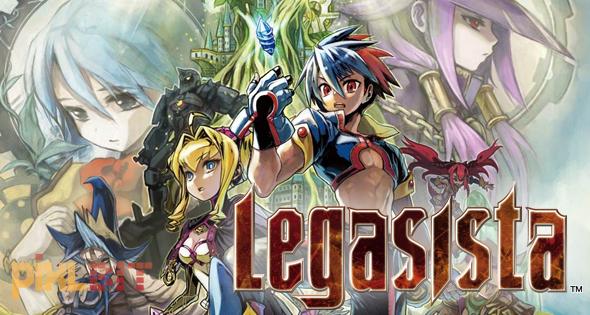
When given the opportunity to play a new game by NIS Software, the role playing game player has to jump at the opportunity. With such inventive, intellectual properties in the genre, it would be difficult to see a lackluster effort coming from the creators of the Disgaea series. But, I'm sorry to say, Legasista happens to lack lust. Compared to the flagship franchises from NIS, it has a poorly paced storyline and a dearth of new gameplay ideas.
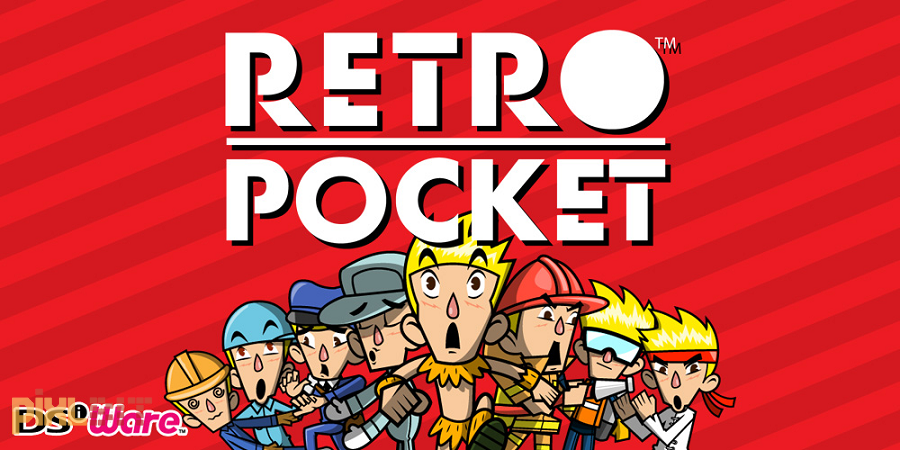
If you have fond memories of lazy Saturdays taking turns with a friend’s Game & Watch, the possibilities for recreating those experiences have been pretty sparse in the last decade. Today, the primary way to get your hands on LCD-style games is through Nintendo’s own Game & Watch collections for the DS and, strangely, in this summer’s Deadlight on XBLA. Outside of those cases, though, the LCD game is essentially dead. Or so it seemed, until Retro Pocket swooped onto DSiWare and packed several Saturday afternoons’ worth of LCD-style games into a package that will have some peering over the top of their sunglasses to take in something so rad.
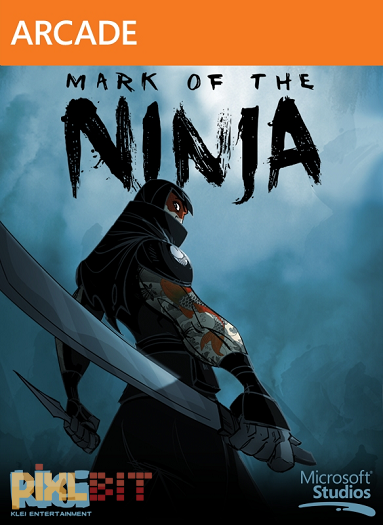
Sneaking silently, planning every move, and executing with absolute precision; it's not something you're going to be doing in most games in this day and age. Bombastic action, huge set pieces, and non-stop action is the flavor of the week; however, Mark of the Ninja not only encourages, but requires the exact opposite for success. Though the stealth genre has traditionally been one that most gamers do not appreciate, Mark of the Ninja boils it down to its essence and makes it accessible for everyone.
One of the things I enjoy most about working for a gaming website is the way it’s helped me expand my horizons when it comes to genre. Here at PixlBit we don’t just get to review the games we already know we love; sometimes we’re assigned a game and other times we get reviews based on our available schedules. I’ve reviewed a ton of games I likely would never have even considered playing in the year I’ve been with PixlBit, and if I’ve only learned one thing in that time it would be this: I really am not cut out for the classic ‘90s-style PC RPG. These were games designed around a specific template of hardcore tabletop RPG rules. As I played Inquisitor by Cinemax I realized that these are games made for a very specific audience, and if you aren’t part of that audience you may as well run along, because this isn’t for you.
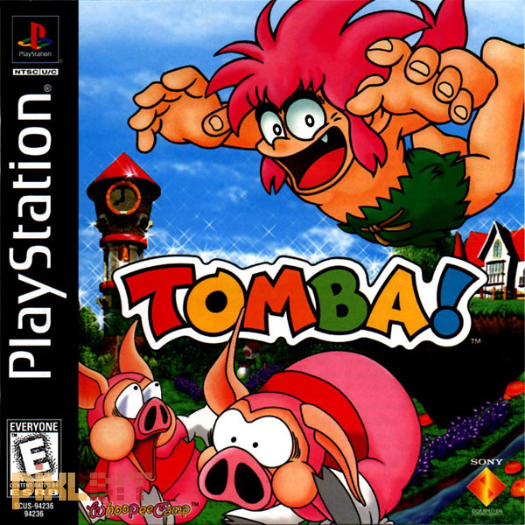
Due to its rarity, Tomba has become highly sought after for fans and collectors alike. The title, created by the now defunct Whoopee Camp, was the brain child of Ghosts'n Goblins creator/Mega Man producer Tokuro Fujiwara. While the multi-plane sidescroller has Fujiwara's signature, it doesn't quite capture the magic of his prior works, especially 15 years after its release.

If you’ve read my reviews for Guardian Heroes and Golden Axe, it’s pretty clear that I’m a big fan of the classic arcade-style beat ‘em up. Many critics will say that this genre is an irrelevant dinosaur and has no place in modern gaming, but I disagree. While the old “quarter muncher” design philosophy no longer works today I truly believe that the side-scrolling brawler can still be a viable genre with the right updates to the formula. WayForward comes frustratingly close to bringing this genre into the modern age, but doesn’t quite get the job done with Double Dragon: Neon.
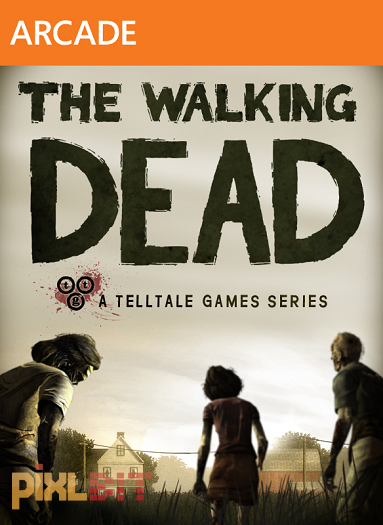
It was risky to take a popular known brand like the Walking Dead and create a unique and separate story within that universe, but the risk has paid off. The first two episodes have been great in their own right, but this third and latest episode entitled Long Road Ahead ups the ante not only when focusing on the action, but the emotion as well.