
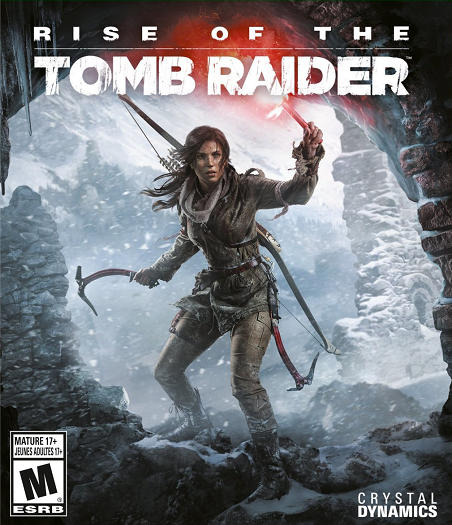
Life is full of mysteries. Who created us? Are we alone in the universe? And why did people love 2013’s Tomb Raider reboot so much? Don’t get me wrong, the title was not bad by any stretch of the word, it just felt like the textbook definition of mediocrity despite its glowing praise. While the game had almost as many issues as its sequel has microtransactions, everything wrong with the reboot was attributed to two core problems: Developer Crystal Dynamics wanted to turn Tomb Raider into Uncharted and Lara Croft into Katniss Everdeen of The Hunger Games.
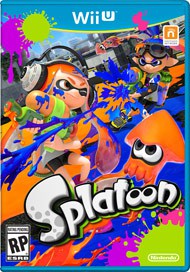
You’re a kid, and now a squid. I can’t get that out of my head, but this simple phrase is one piece of the whole pie that makes Splatoon so great. Nintendo’s internal EAD team has tackled third person shooter elements in their other series like Zelda and Kid Icarus, but doing a full third person shooter with a multiplayer focus is a different beast entirely. This new IP from Miyamoto’s magic toy box is not only one of the most original shooters out on the market today, with its creative visual style and deceptively simple gameplay, but it's also one of the best multiplayer titles on Wii U right now.
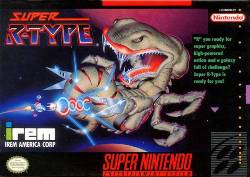
The early R-Type series was one of the biggest icons during the shoot ‘em up genre’s younger years. After the success of the original arcade game, Irem followed up with R-Type II in 1989. It featured slightly prettier graphics, more power-ups, and an upgraded wave cannon. Two years later in 1991, the game was remade as Super R-Type for the Super Nintendo-- one of the first games for the system.
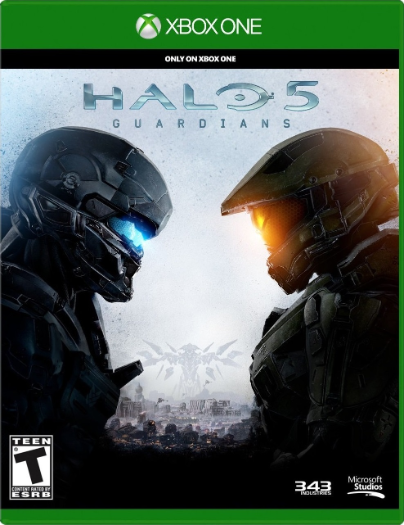
Once upon a time, Halo used to mean something. Halo was the game which revolutionized the first person shooter genre on consoles, offered mechanics that developers still copy to this day, and was the unparalleled king of multiplayer games outside of PC. There were first person shooters and then there was Halo.
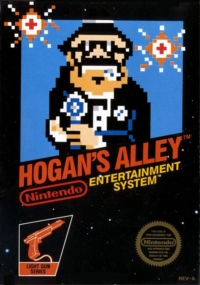
I knew very little about Hogan’s Alley back in its heyday. Judging by the mean-looking gangster fully armed with a gun and grimace on the front cover, I figured that the game must have been some 3D action title featuring all sorts of wanton violence that my impressionable mind just couldn’t handle. However, as the years passed I eventually learned the facts of this game’s less menacing purpose.
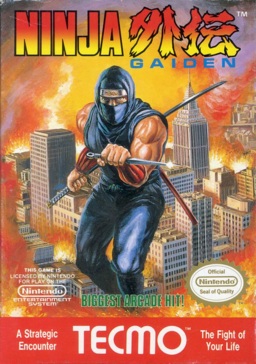
When I hear the word "ninja", one thing immediately comes to mind- the 80's. It was an era that was very friendly to ninja culture and the kids that embraced it. Meanwhile, video game developers where busy cooking up games of the same nature in the arcades. Tecmo was one of those developers, and in 1988, they released a brawler of sorts called Ninja Gaiden. A year later, they ported the game over to the NES, but changed the style of gameplay to better fit the style of home console gaming. They replaced the "beat 'em up" theme with a simple action/platformer approach with a bigger emphasis on well-timed jumps and using awesome ninja skills. Tecmo also added a deeper story and a new way to tell it.
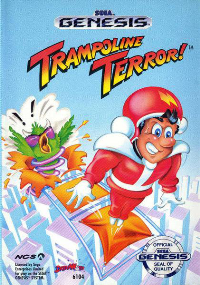
Developed by Masaya, published by DreamWorks (no relation to the movie studio), and released in 1990, Trampoline Terror was quite the unique title if you managed to find out about it somehow. I’ve got to hand it to the design team-- they had me fooled with this game. Thanks to my youthful first-time impression of the game many moons ago, I always thought I was playing an overhead action title. I had so much fun with the game, that I didn’t even notice that I was really playing a puzzle\strategy game sneakily dressed in an action game’s clothes (more or less). I’m not sure why it didn’t click with me until now- some 20 years later- especially when most of the gameplay elements practically scream “this is a puzzle game”.
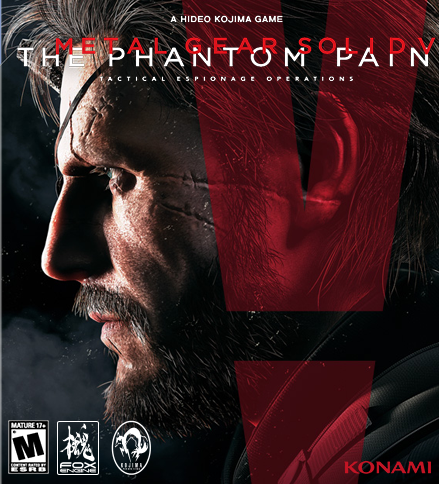
Let me ask you a question: How many video game series have, outside of spin-offs, made every game feel like a true sequel? Where every game does not just add a few of tweaks, unnecessary gimmicks, or offer nothing other than more of the same, but provides a strong, natural evolution to the previous entry? Very few fit that bill and if you factor in games which have existed for over twenty years, you are left only with Metal Gear.
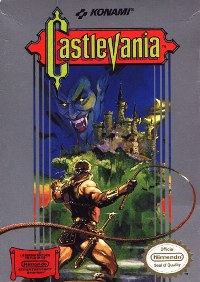
For years, the story of Count Dracula has been told many times over, with different spins on how he wrecked havoc on human society and such things. I dare say that there isn't a person on Earth who hasn't heard of the guy...at some point in their lifetime. So given the popularity of this character, it was only natural that Dracula would find a new life on the NES. And sure enough, in 1987, Konami released Castlevania-- a game that featured a whip-wielding hero on a mission to defend the local townsfolk and stop Dracula's bite for good, or so he hoped.
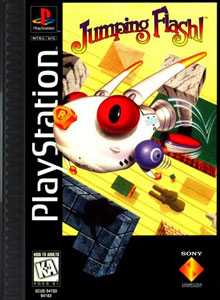
Ever since the Atari 2600 debuted in 1977, it's been fairly customary for at least one game developer to bring something new to the table just in time for the launch of a new gaming system, or soon after. In 1995, developers Exact and Ultra gave us a little ditty called Jumping Flash-- a game with roots that can be traced back to Exact’s previous 3D platformer Geograph Seal on the Sharp X68000. I remember playing a demo of Jumping Flash back in 1996. After a few minutes of leaping and smashing enemies on impact, I knew I was in love.
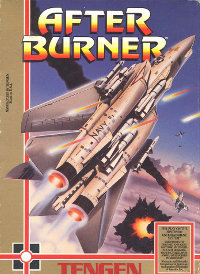
Life is full of surprises. Good or bad, they come when you least expect it and can potentially change your life forever. Such was the case when Sega released After Burner in the arcade. Coming complete with a hydraulic sit-down cabinet, the game was the first of its kind to successfully take the boredom out of flight simulations. There were no worries about instrument panels, altimeter gauges, or landing sequences. A short while after its arcade debut, the game went on to be ported to a number of home consoles, including the Sega Master System. Sega’s fledgling franchise was such a big hit, that it even saw a release on the NES. Wait…what?! Surpriiiise! That’s probably what Tengen said once their unlicensed version of After Burner hit store shelves for Nintendo’s own console.
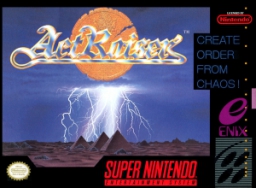
By the time the Super Nintendo was introduced, games that combined multiple genres were nothing new. Games like The Legend of Zelda, Crystalis, and The Guardian Legend were outstanding pioneers of the action/adventure variety. But developer Quintet partnered with Enix to publish ActRaiser in 1991 on the Super NES. Released just 3 months after the new home console, it was one of the earliest post-launch SNES games. Particularly outstanding is that it combines side-scrolling action with building simulation gameplay elements. Usually, building simulations send me running for the hills because I'm terrible at them. But after spending a little time with the game, I was able to put my fears aside.
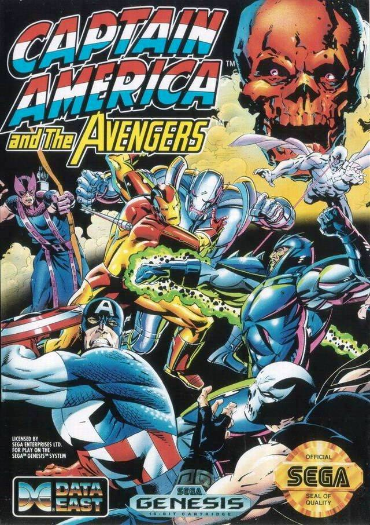
As a small fledgling in the first grade, I liked comic books superheroes, but I wasn’t nearly as familiar with them as I am now. Sure, I knew about guys like Superman, Batman, and Spider-Man. But for the most part, I had only a narrow understanding of the world of comic books and the heroes within them.
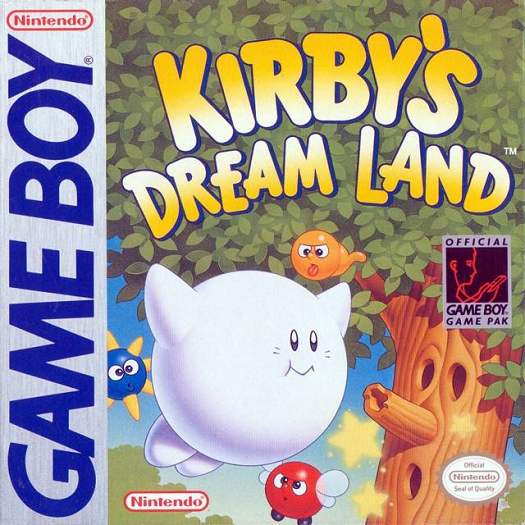
As Nintendo’s poster child for all things cute and cuddly, Kirby came from humble beginnings. By the early ‘90s, most of the more popular platformers like Super Mario Bros. and Mega Man were well along in their sequels and had grown in length and complexity. Long-time developer HAL Laboratory decided to make a game that was super simple, brief, and would appeal specifically to the novice players out there.
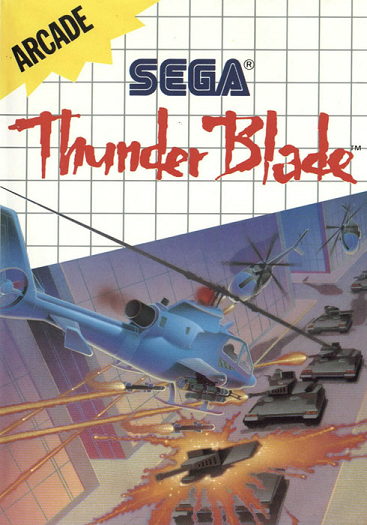
There comes a time in every reviewer's life when they have to push themselves to review a game. It's not because the game is so near and dear to their heart that they find it difficult to be objective and honest. Nor is it because the game turned out to be unexpectedly challenging and keeps the reviewer on their toes. On the contrary, some games can be cringe-inducing because you can barely make it past stage one and they just aren’t very fun. Thunder Blade was such a game for me. I held off for months from reviewing this in part because it was so frustratingly difficult that I had to just walk away from it for weeks at a time. When I finally made it to stage two, my will was already broken.
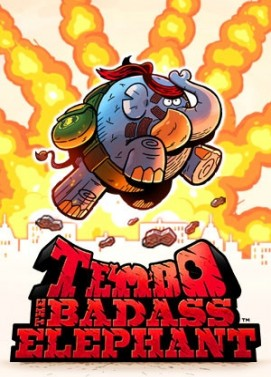
At the beginning of the year, a friend of mine and I were discussing our favorite games of 2014. His was Far Cry 4, citing how his favorite part was riding elephants, while mine was Dragon Age: Inquisition noting how much fun the dragon hunts were. We reached the conclusion that if a game could let you fight dragons with elephants, it would be the game of forever. I bring this up because the first boss of Tembo: The Badass Elephant is a robot dragon. That’s right, the coolest thing I have ever thought of and this game outdid that idea. While not quite the greatest game ever I imagined, what Tembo offers is pretty damn fun.
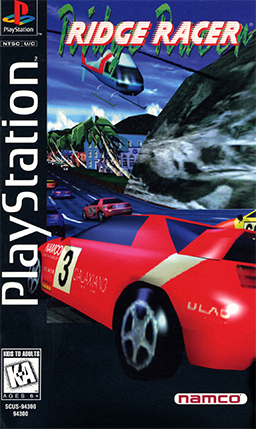
I’ve said it once and I’ll say it again-- a new video game console is only as strong as its launch titles. Such was the case of the PlayStation when it was released stateside on September 9, 1995. As Sony’s first video game system to go toe-to-toe with Nintendo and Sega, the PlayStation came out swinging with Ridge Racer. Developed by Namco and ported from their arcade machine, the game was early proof that the PlayStation was capable of providing a convincing arcade-like experience at home in a way that simply couldn’t be done on the Super NES, Sega Genesis, or any other 16-bit console. Ridge Racer sent a clear message-- the 32-bit generation was going to be awesome and the PlayStation would lead the way.
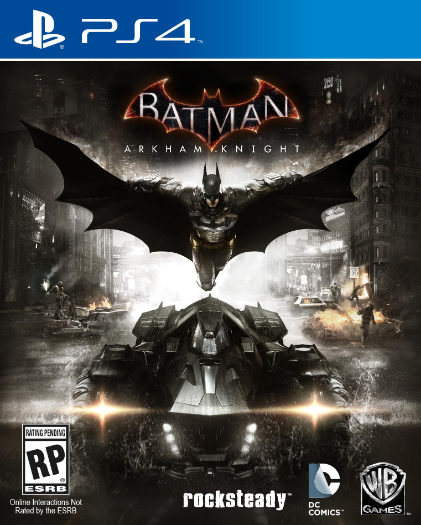
In 2011, I said that Batman: Arkham City was one of the best superhero games ever made. A few years before that, I said that Arkham Asylum was the new standard that licensed games should live up to. Since then, few series have done so. Yet somehow, every Arkham game rises above the rest. Arkham Knight is no exception. It takes some of the best of what was established in the past games and puts it all together to form one of the most gripping games I’ve played in quite a while.
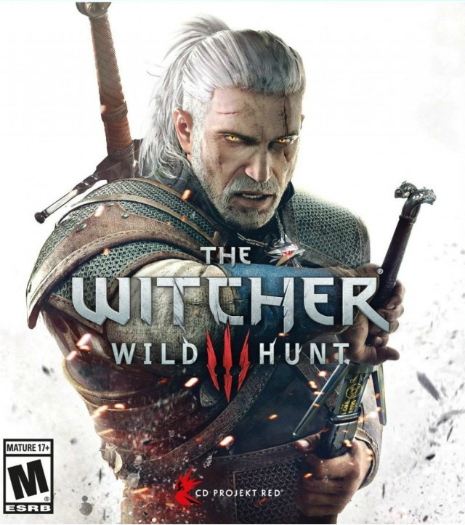
The Witcher games have always been very odd for me. Fantasy RPGs tend to stick with a particular tried-and-true formula, yet the series has made an effort to be distinctly different from everything that might make it similar to Dragon Age or The Elder Scrolls. Some of the decisions - like its distinct races and lore - are a welcome diversion. Yet there are some design choices which feel different for the sake of being different at best and baffling at worst.
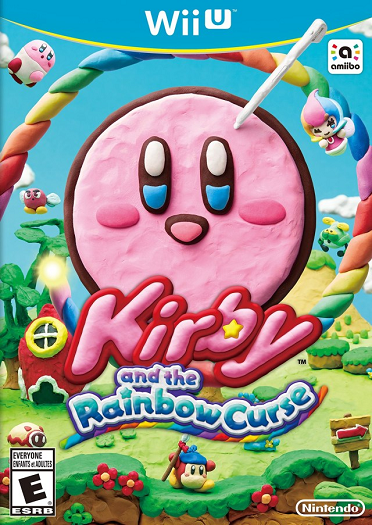
Kirby’s morph ball versatility has allowed him to assume the role of a pinball, a golf ball, and a rolling ball controlled by a… rainbow brush. That last one came from 2005’s Kirby: Canvas Curse DS, which used the touch screen to draw lines for guiding Kirby through all sorts of obstacle filled levels. Kirby and the Rainbow Curse, the pink puffball’s first Wii U title, follows the same style of gameplay but improves the experience in a number of ways and does it with a fantastic visual style.
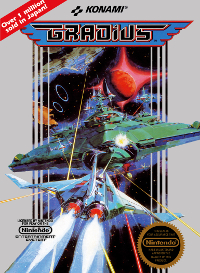
The 1980s was a true renaissance period for the budding video game industry. Arcade games like Xevious, Donkey Kong, and OutRun gave us new levels of visual, audio and strategic detail that took us beyond the comparatively simple mechanics of Pong and Space Invaders. It was indeed the golden age of gaming.
It's not every day we get a game that encourages the use of imagination in the form of creative writing. There’s no fate for humanity to be won or quest for the ultimate armor to be had. While the game does take place in some quadrant of outer space, there's not a single creature to kill or flying craft to destroy. In fact, there's nary a living soul to interact with at all. Instead, progress is made by using the power of prose.
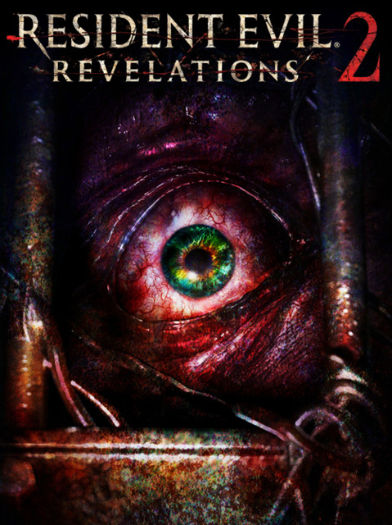
I think that Capcom is on to something with the Revelations spin-off series for Resident Evil. I enjoyed the first game a lot because of how it blended the feel of the traditional, horror based Resident Evil games with the action packed nature of the more recent games. After being disappointed by Resident Evil 6, I was down on the series but I still couldn’t help but be excited when I heard that a sequel to Revelations was in the works. And to my delight, Revelations 2 delivers.
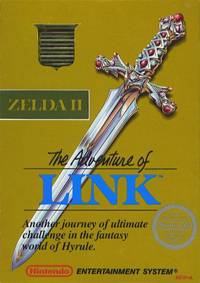
The Legend of Zelda set the bar for the action-adventure genre with its perfect mix of action and the thrill of finding the next dungeon or quest-critical item. It was gaming as golden as the cartridge itself. Then came the sequel. Zelda II: The Adventure of Link was originally released for the Family Computer Disk System (FDS) in Japan on January 14, 1987. The game was then converted into a standard cartridge for its release on the NES in North America on December 1, 1988. Though it still had the familiar trappings of exploration, fantasy, and adventure, it also came with some drastic changes that weren't well-received by all--myself included.
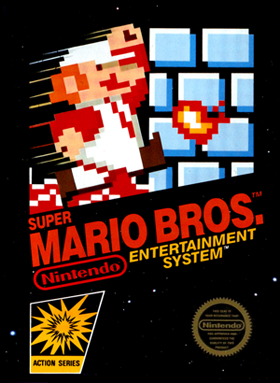
It’s no secret that some of the best ideas started in Japan. This was certainly true of Nintendo back in the early 80’s. One of their creations was a simple arcade game, Mario Bros., featuring sibling plumbers Mario and Luigi on a quest to rid the screen of pests in the sewer pipes. Due to its success, Nintendo decided to create a bigger adventure based on the two characters for their new cartridge-based home console. Thus, Super Mario Brothers was born on September 13, 1985 in Japan and 1986 in the US, making Mario a household name along with the company that created him.