
With a myriad of wrestling games available on the Nintendo 64, even the now-defunct Extreme Championship Wrestling got their own game. Released in the year 2000 however, there was no shortage of competition. Does Acclaim's wrestling game stack up to the series from AKI/THQ?
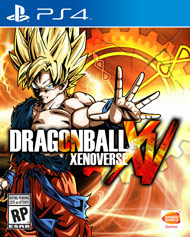
If there is anything I’ve learned from being a DBZ game fan over the years, it’s that an anime fighter/simulation sequel is nearly always better than the original. They usually clean up the formula the second time, as in the case of 2002’s Dragonball Z Budokai, which was followed up by sequels with enhanced graphics and tightened gameplay. 2005’s Budokai Tenkaichi provided a blueprint for its sequels to later refine the gameplay and expand to one of the biggest and most diverse rosters in the series. If you ask me, it’s a safe bet Dragonball Xenoverse 2 will probably be an amazing game. Of course, that is not too helpful to us at the moment. Right now, we have Dragonball Xenoverse, which leaves me wishing they could’ve done it right the first time.
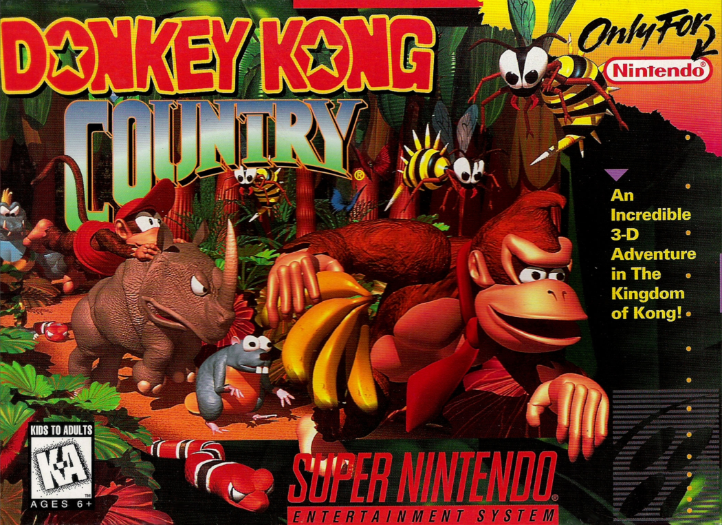
Back in 1994, Rareware breathed new life into Nintendo’s arcade game antagonist Donkey Kong with revolutionary pre-rendered graphics and created Donkey Kong Country for the SNES. Despite the pretty looks, it is a solid side-scrolling platformer with great controls, organic level design and a superb soundtrack.
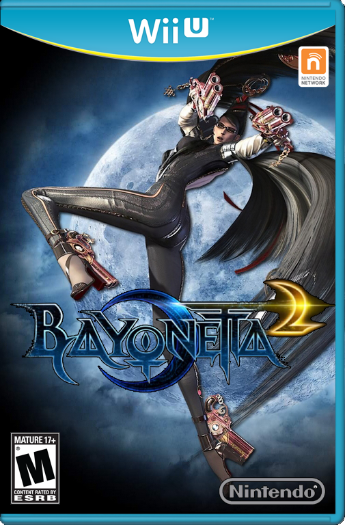
In the first ten minutes of the game, you are riding on top of a big fighter jet battling angels while a giant snake-like angel is flying around. The fight moves to a train against a grotesque angel with a whip arm, and then the demon you summoned goes berserk and sends your best friend to Inferno. This is just the start of a game full of great production values and stellar gameplay. It easily ranks as one of the best third person action games I’ve played since the original.
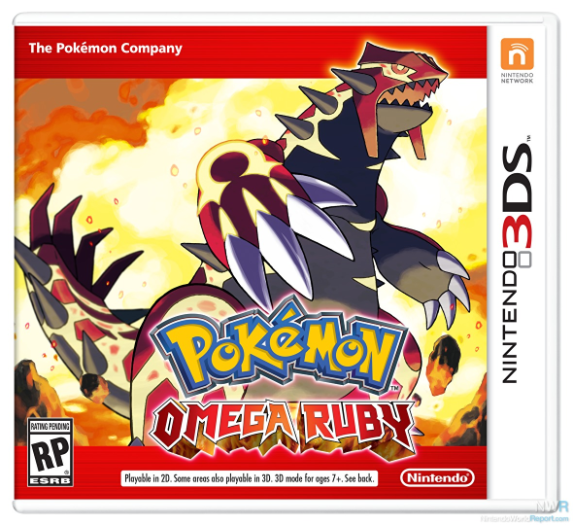
Seeing these games announced was one of the most surreal moments in gaming news. Not because there was a new Pokémon game- (those will never end), but because the series is so strong that even the black sheep of the franchise received a remake. Remaking the original games made sense, as did remaking fan favorites Gold and Silver, especially since the first two generations had vastly inferior mechanics to the then current games.
Earthworm Jim 3D is the third and final game in the series, and also the first to feature 3D gameplay, which gives the title a sort of double meaning. Bringing the series' trademark wackiness and irreverence to the third dimension, the game stars Jim's super-ego as he takes a trip through the crazy worlds of his own twisted mind. Although it lacks the polish of a Nintendo-published platformer, it still contains a decent amount of variety and somewhat interesting design.
Duke Nukem 64 must have put up decent sales numbers or something, as here we have what was a brand-new Duke Nukem title created exclusively for the Nintendo 64. Changing perspective from first-person to third-person, Zero Hour more closely follows the gameplay conventions of the PlayStation games than its Nintendo 64 predecessor. Although I prefer first-person to third-person, this game is still a solid adventure that spans many time periods, though its multiplayer mode switches to first-person for its frantic action.
Following in the footsteps of the likes of DooM and Quake, the PC release of Duke Nukem 3D offered similar alien-busting action with an added layer of raunch, swears, and spoofs. The Nintendo 64 version of the title brings with it a few additional features and levels, but at the same time heavily censors the content. Removing most of the personality from a game that sold itself on its attitude and mature themes results in a bit of a dull shooter, as its design leaves something to be desired.
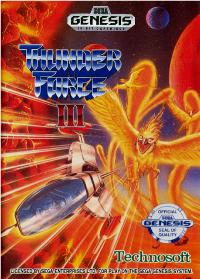
A while back when I officially started collecting retro consoles and games, I swore that I’d never become one of those elitists in the gaming community who always makes a big deal about his vast, all-encompassing knowledge of video games; at least not in public. However, in my own mind, I was the master of all things retro. Well, that all came to a screeching halt in recent years thanks to Wikipedia when I discovered that, aside from owning the fifth game in the series, I knew next to nothing about the Thunder Force saga. As I learned of its existence on Sega's 16-bit console, it became painfully clear that I had barely gotten my toes wet with Technosoft’s bread and butter. How I missed it back in the day, I will never know. But after playing Thunder Force III, I soon realized that there was a whole ocean I was missing out on: the Genesis was the system for shoot-‘em-ups.
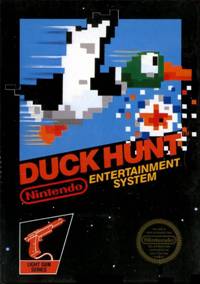
Duck Hunt is an interesting relic of times past and one that I have conflicting feelings about. While it was my earliest NES memory and no doubt fun from what I can remember, it also hasn't aged quite as well as I would have hoped. But sometimes, that's just how it goes with the games we played as children. I suppose the biggest letdown is realizing that the game simply isn't as stimulating to me as it once was, mostly due to its limited nature. At its core, you're just shooting the same objects round after round until you fail to reach the required quota. Be that as it may, Duck Hunt's importance in Nintendo's history cannot be overlooked.
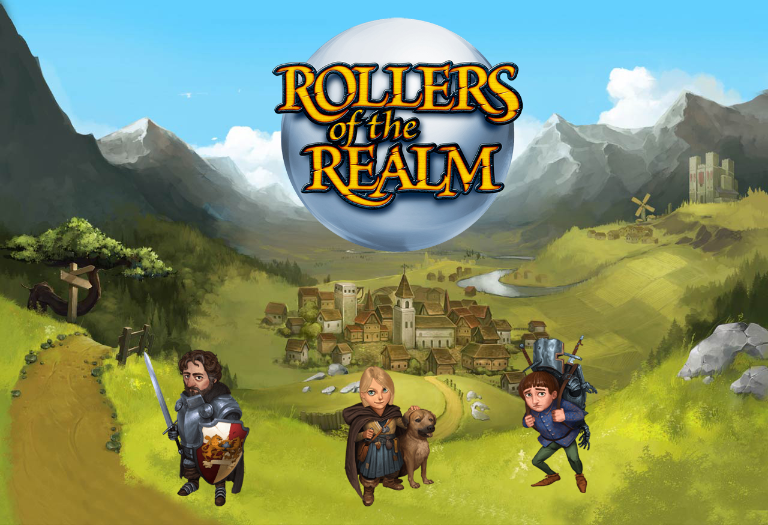
A plucky thief with a heart of gold arrives outside a small village. Using her companion, a scraggly mutt, she distracts the guards at the gate and sneaks into the nearby sewer entrance. Upon her arrival, she picks a few pockets to gather what she needs, and prepares to leave when a drunken man in plate mail being harassed by the henchmen of the town butcher, a local crime boss of sorts, stumbles onto the scene. A few backstabs later, and our thief now has a new partner, but her canine companion has been kidnapped by the butcher’s men, and they’re off to liberate him.
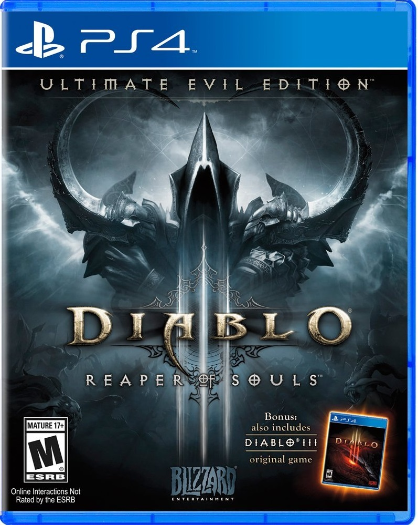
When Diablo 3 came out for the PC in 2011, I don’t think I really understood what it was. Don’t get me wrong: I loved it. It was the first game I awarded five stars to at PixlBit and it went on to become my game of the year. With all of that said, I treated it like every other one of my games: I played it, enjoyed it, and moved on to the next thing. It wasn’t until I plunged back in with the PlayStation 4 “Ultimate Evil” edition that I finally let Diablo get its claws into me, and now I’m trapped.
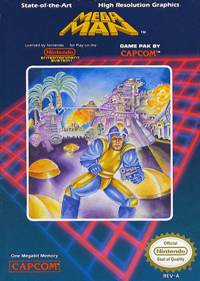
The original Mega Man was the perfect NES action game: powerups, platforming, shooting, and controller-tossing difficulty merged with ‘80s story conventions: the convergence of man and machine, greed, and technology gone rogue. I can only imagine what people were thinking when they picked it up in 1987 and saw a silly middle-aged fellow stuck in an uncomfortable pose with his pistol on the box cover; I’ll bet they wouldn’t be thinking that in a few decades there would be people dressed up as Mega Man along the streets of Hollywood, making a quick buck posing with tourists. It all started with a great game that is still great today.
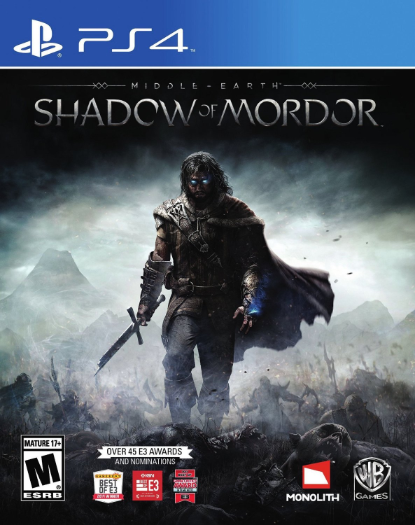
I could write a perfectly standard review of Middle Earth: Shadow of Mordor. I could go point by point and explain how this is a third person action game with heavy emphasis on stealth and melee combat in the vein of Batman: Arkham Asylum/City. I could talk about the great graphics and the satisfying fighting mechanics, and how some of the stiff animation and problems with context-sensitive button prompts are the reason why it doesn’t get five stars. I could do all of that and you would have a good idea of what Shadow of Mordor is, but you wouldn’t understand what makes it new and special. So I have a different idea.
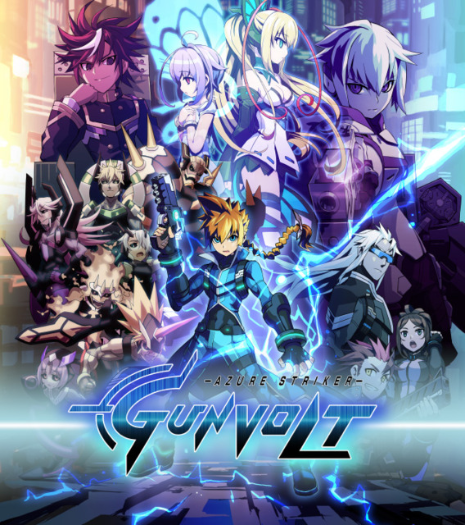
I would call Azure Striker Gunvolt two things; one would be the perfect replacement for a lack of a new Mega Man X/Zero title, and the other being a very meaty 3DS eShop release with high production values. With easy to understand gameplay, a fantastic graphical style and a slew of abilities and optional gear to collect, Azure Striker Gunvolt is a great call back to the 16-bit era of action games and an all around great game despite some design flaws. It even comes with the free game as well!
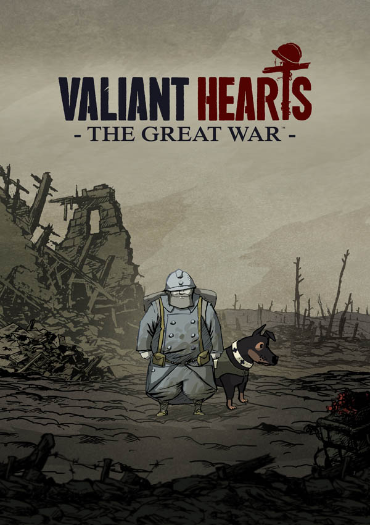
Valiant Hearts is about one of the more horrendous moments in 20th century history, a moment seldom portrayed in movies, TV, games, or other media -- probably because it is not pleasant to relive. While World War II can be fun, despite its carnage, in pretending to do battle against a true, villainous evil – the first World War lacks such black and white delineations, and for lack of a better word, was simply insane.
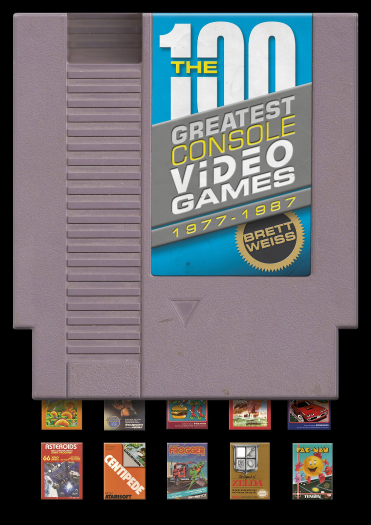
It should be obvious from the title that The 100 Greatest Console Video Games: 1977-1987 is a very specific book that will appeal to a very specific audience. Brett Weiss, who writes many books with a narrow, historical focus, branches out slightly and tries to give his readers a huge swallow of his opinion about the first full decade of console gaming. If you have an interest – or strong opinions – about this era of gaming, you’ll be pretty pleased reading through Weiss’s descriptions and critiques.
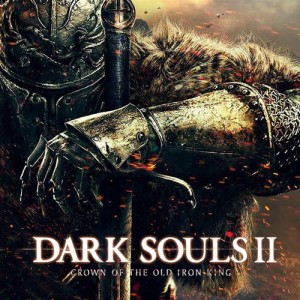
“Haunting” is a perfect word for the realms of the Souls games. No matter how you look at any given landscape, you can always scrape away the remaining rays of hope and damn near breathe in the tragedies that aerate from the world around you. From the initial moment you step in to the domain of the Old Iron King, you hear the ghosts of the past crying for help as you walk through the ashen covered landscapes that are filled with dusty remains of those who never made it to see another day. There is no light to be seen, and the despair can be enough to madden to most stoic of heroes.
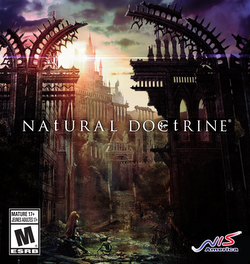
This was it: I had played the level six times already, and I knew I finally had it. Each prior attempt had employed a different, individual strategy, and they all had failed. But I had edged closer and closer to success. Now was the moment of truth: I instructed my units to move to the next space -- but the game suddenly froze! I pressed every button I could, hoping in vain to bring it back to life. I was the victim of a game-breaking bug. Angry and frustrated, I grudgingly reset the game. Oh and did I mention it was only the third level, and the difficulty was set on easy?
Upon initially investigating the Thorium Wars sequel, I found myself quite excited by what was on display in the eShop teasers. It appeared to take inspiration from both Rogue Squadron and Star Fox; two series I have much adoration for. Unfortunately, after taking it for a spin it doesn’t even come close to matching its source inspiration.
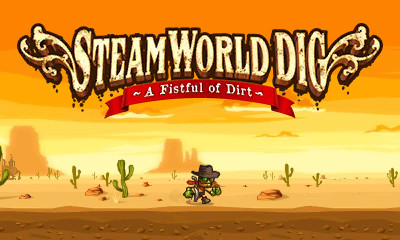
It’s been roughly a year since SteamWorld Dig first hit the scene on the 3DS eShop. Now, Nintendo fans can experience the game on the Wii U in full 1080p HD, with some exclusive content. If you didn’t catch it, I had an opportunity to review the game when it released last year and I absolutely adored it. Digging back through the mines on the Wii U has only solidified the strong love I already felt for the game.
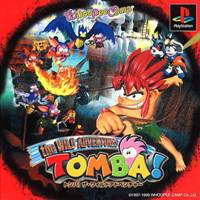
The only reality worse than the inflated asking pricing for an old video game is the one where said game is digitally available for a fraction of the price, but devoid of the context that made it fun to play. Such is the peculiar situation I found myself in upon downloading Tomba 2: The Evil Swine Return (The Wild Adventures in Japan) from the PlayStation Store. Originally released in 1999 by the now-defunct Whoopee Camp, it was re-released earlier this year by Monkey Paw Games. Once the game booted up, it was both recognizable and unfamiliar at the same time. The game looks and plays the same as I remembered, but there was just one problem--it’s all in Japanese.
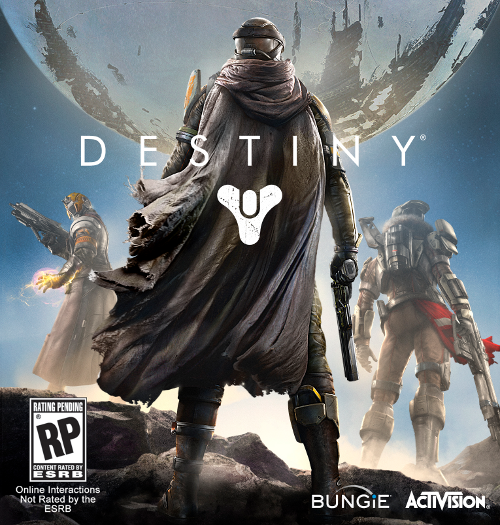
If there’s anything I will never call Destiny, it is modest. Bungie’s latest creation has been touting itself as the next evolution of shooters and the defining game of the eighth console generation. Some time with Destiny has proven these claims to be completely overblown. Not even close. Yet Destiny still delivers a solid, fun game with more than enough content to keep players busy.
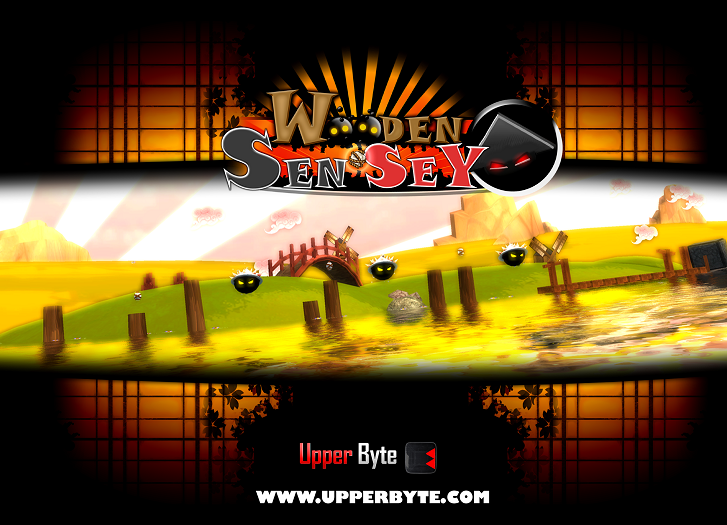
Wooden Sen’Sey is one of those unfortunate games that has charm and style and comes so close to greatness, but sadly falls short. The abundance of quality platforming games on the Wii U makes it hard to turn a blind eye to the faults of Wooden Sen’Sey. Simple shortcomings like awkward controls (particularly for grappling), levels that overstay their welcome, and a lack of new abilities really drag down an otherwise great experience.
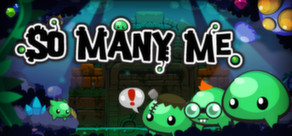
I really wanted to like So Many Me more than I did. This is one of the most adorable games I have ever played, with some funny gags just as likely to make you laugh as you will say, “Awwww!” The central mechanics, meanwhile, are both interesting and fun in the context of a puzzle platformer. Unfortunately, the areas it stumbles in really hamper the core experience, if not quite ruining the game.