
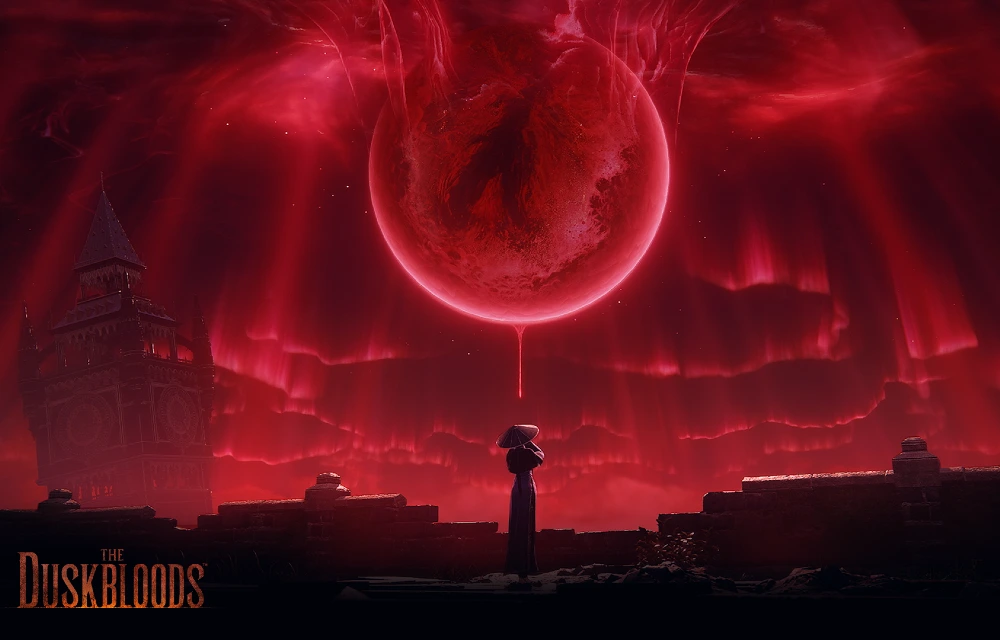
I was fortunate enough to get an invite to the Network Test for The Duskbloods on the Switch 2 this past weekend. I was able to embark into the land of dusk over the course of all three days it ran and I walked away excited about what FromSoftware is cooking up here. Like every FromSoftware game, it feels built on the back of the last game, and the influence of Elden Ring: Nightreign is clearly apparent. But interestingly, it also evokes Bloodborne in equal measure, while offering something that feels familiar, but unique.
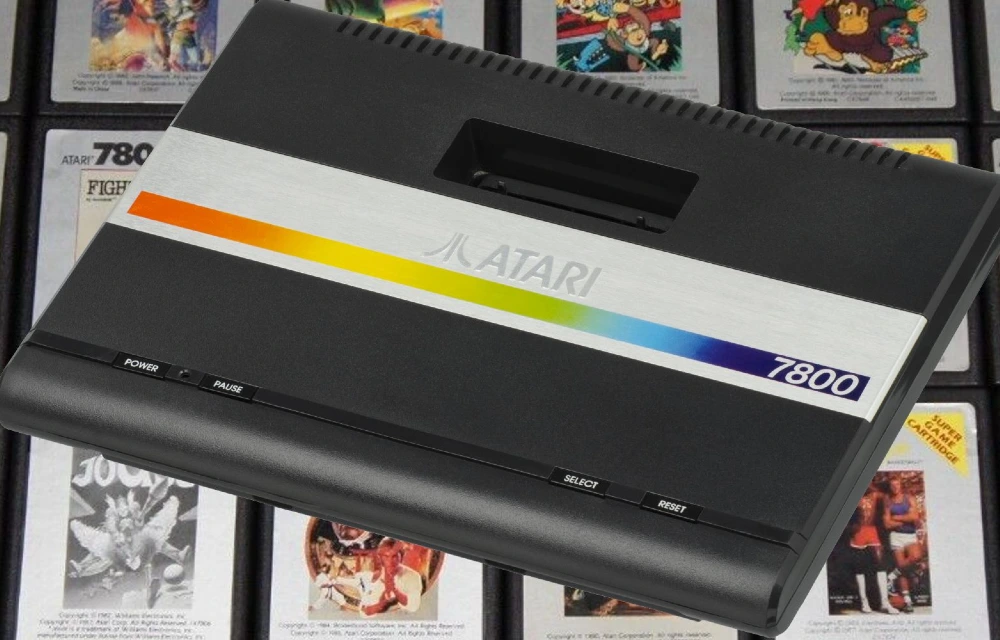
In console gaming, there is a legend known as the Third Console Curse. Most consoles are not successful enough to receive a follow-up. If they are, then a third console is still not guaranteed. It is a hard industry not only to break into, but sustain a market share in. Yet something happens with the third console every time. It fails to meet the company's initial goals. Maybe it still sells fine, maybe the console has a wonderful library of games. Even if that is the case, the company loses market share and is in a worse spot at the end of the console's life than they were going into it. It could be arrogance from success. It could be a lack of perspective from being too used to success. Maybe it's just rotten luck. But it's consistent.
After a very long hiatus, PixlTalk is back for Episode 83. For now, you'll only be able to watch this episode on YouTube, but soon the RSS feed will be updated appropriately in order to bring all of the PixlBit podcasts together into a single feed. In this episode, Nick discusses the state of the industry after both Sony's digital-only announcement and Microsoft's huge layoffs, the games he's been playing recently, and a little bit of site information and where things are going next. Tune in to hear more in this reboot of PixlBit's original podcast!
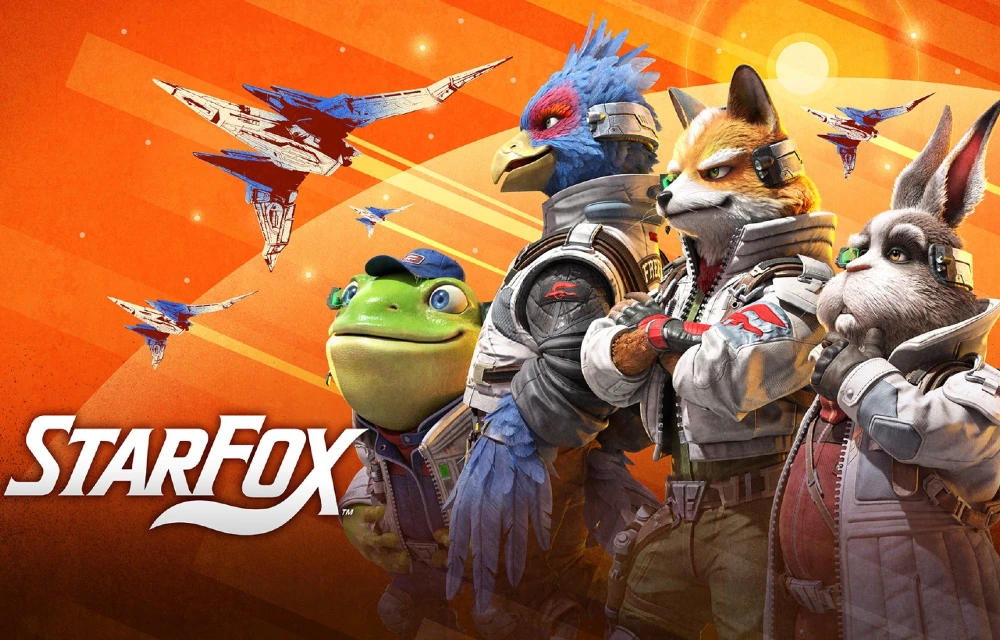
The Star Fox series has always been special to me. When I turned 8, shortly after the original game came out, my parents surprised me with it on my birthday. At the time, I remember thinking the 3D graphics were incredible and the game was extremely fun. I was addicted to blasting through space and foiling Andross' plans to dominate the universe. Years on, I remember obsessing over my Nintendo Power issues that showed Star Fox 2 - the new characters and crafts looked amazing. Unfortunately, it wouldn't officially see the light of day until I was an adult, but my Star Fox appetite would soon be satiated with Star Fox 64.
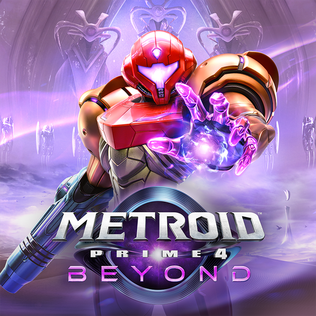
It’s been a long time since we’ve seen an entry in the Metroid Prime series - 18 years, in fact. It was 8 years ago that Metroid Prime 4 was originally announced and its development was more than a little turbulent. Initially developed by Bandai Namco, it was later scrapped completely and development was shifted back to Retro Studios to start the project over. In the end, Retro has delivered a solid new entry in the series, but one that doesn’t totally capture what originally made the series so compelling.
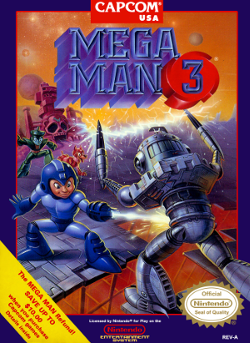
For years, there has been a heated debate among fans of the Mega Man series regarding which one is the best of the original hexalogy. After the facts have been laid out and philosophical life lessons thoroughly dissected, the debate usually boils down to Mega Man 2 vs. Mega Man 3. Which is the greater of the two? Well, no matter which side you’re on, we can all agree on the thing- the cover art for Mega Man 3 finally got it right! No more awkward stances or that pistol-for-an-arm-cannon nonsense. Of course, he didn’t look as good as on the Famicom cover, but that’s another argument.
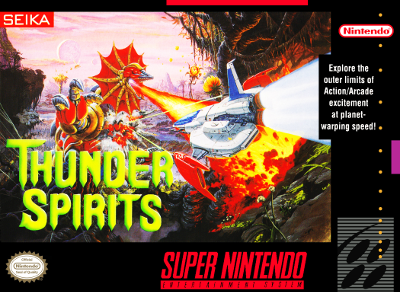
Technosoft’s Thunder Force series is rich with 2D shoot-'em-up goodness. After starting with the fifth game in the series on the PlayStation and then working my way back to Thunder Force II on the Genesis some years later, I have become obsessed with everything related to the Thunder Force series since then. One fateful day at a local game store, I stumbled upon Thunder Spirits on the Super NES. "Nah, no way it's related to the Thunder Force series. Probably just a coincidence of naming", I thought to myself. But after doing some additional research, I soon returned to that store and purchased the game. For, you see, this was no coinkydink.
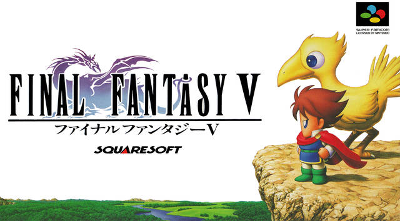
There are several similarities between Final Fantasy V and its younger sibling, Final Fantasy III. Chiefly of which, both games stayed exclusively in Japan well after the series moved on to the PlayStation in the mid-90s. For a time, Square Enix (formally SquareSoft) was uncertain if western audiences would grasp the deeper gameplay mechanics that drove character growth. But after the global success of Final Fantasy VII, they decided it was time to start bridging the gap in sequels in the US lineup. As a result, Final Fantasy V was the first to be released as part of the Final Fantasy Anthology compilation on the PlayStation in 1999.
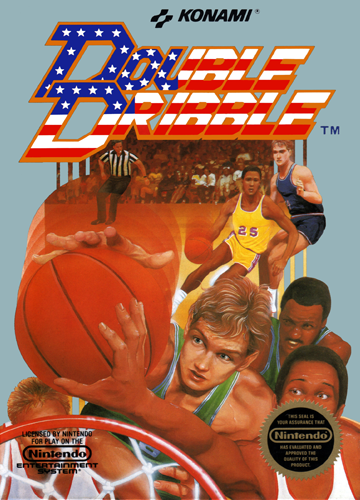
With the 2022 NBA Finals set to conclude this week (possibly tonight), now is as good a time as any to look back at Double Dribble- Konami’s take on professional basketball initially released in 1986. Like many of their arcade hits arcades, the game was forever immortalized when it was ported to the NES a year later. With its accessible gameplay mechanics and realistic presentation, Double Dribble quickly became known as one of the best sports experiences on the home console.
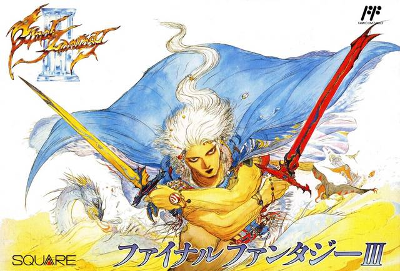
When Final Fantasy VII appeared in the late 90s, my initial reaction was that of shock at the significant gulf in sequels for the US. It was a harsh reality to learn that, of the three mainline Final Fantasy releases we received, Japan had double that number by the start of the PlayStation era. As time marched on, Square (now Square Enix) eventually released the sequels we had missed. Meanwhile, I’ve been playing a nearly 30-year-long game of catch-up since 1997. A particular blind spot for me was Final Fantasy III- the last one to be developed for the Famicom. However, after finally getting around to playing it, I now have a new appreciation for this long-running series.
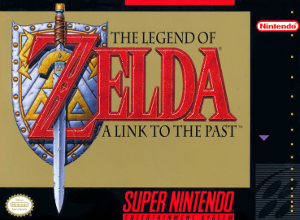
If there’s ever a time I dread writing a review, it’s when my subject is a highly favored game that has received so much praise over the years that it’s a bit hard not to sound like I’ve just hopped aboard the nostalgic hype train at this point. Check any top 10 list of the best Super Nintendo games, and you’ll be hard-pressed not to find The Legend of Zelda: A Link to the Past floating somewhere within the top five, if not the number one spot. It’s a testament to its staying power in the minds of the gaming community at large. When I sat down to play this game for myself, I only had one question- is the game really that good? Yes. Yes, it is.
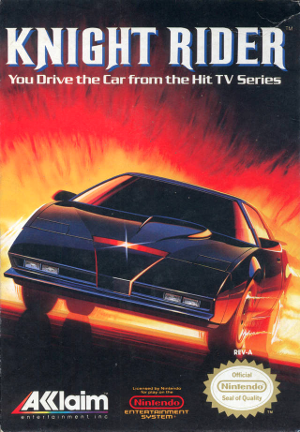
The 1980s was a decade with no shortage of TV action/crime dramas featuring a suave loner with a high-tech vehicle on a crusade to champion all that is good. At the top of the pile was Knight Rider. Each week, David Hasselhoff hit the road to stop criminals with the help of KITT- a super-advanced Pontiac Firebird Trans Am voiced by William Daniels (aka Mr. Feeny from Boy Meets World). A popular show in syndication by 1988, Knight Rider was the perfect candidate to get a licensed video game on the even more popular Nintendo Entertainment System (NES). So now, sit back and join me on this shadowy flight into a dangerous world of a man who does not exist.
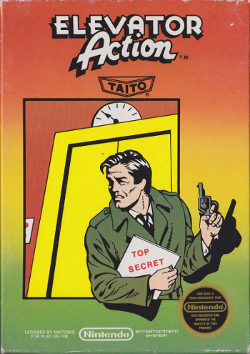
“Elevator” and “action” aren’t words that typically belong in the same sentence. But lo and behold, Taito released an arcade game in 1983 that would pair a mundane function with the trappings of a spy thriller in the game Elevator Action. You play the role of a secret agent that finds himself at the top of everyone’s hit list. Avoiding certain death requires cunning, skill, and riding a lot of elevators. It made a big enough impression to become a cult classic that people remembered fondly.
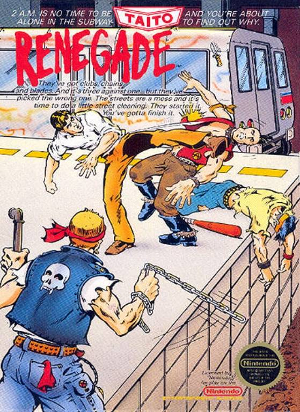
Sometime in May 1986, Japanese arcades saw the release of a brawler called Nekketsu Koha Kunio-kun (roughly meaning Hot-Blooded Tough Guy Kunio in English). It stars Kunio- a miscreant high schooler fighting for a classmate being picked on by rival gangs. The game is notable for being the first brawler to feature an urban setting and introduced many trademarks common to the genre- a tough guy protagonist, themes of street justice, generic thugs, female villains, and so on. The game underwent significant revisions for its Western release and subsequent NES port, including a name change to Renegade and the story wholly disconnected from its source material.
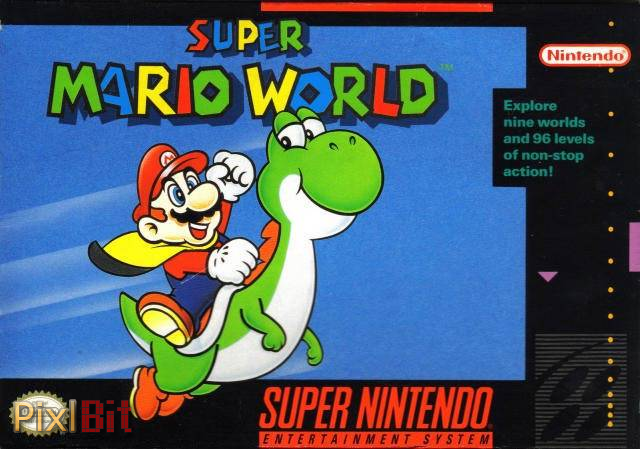
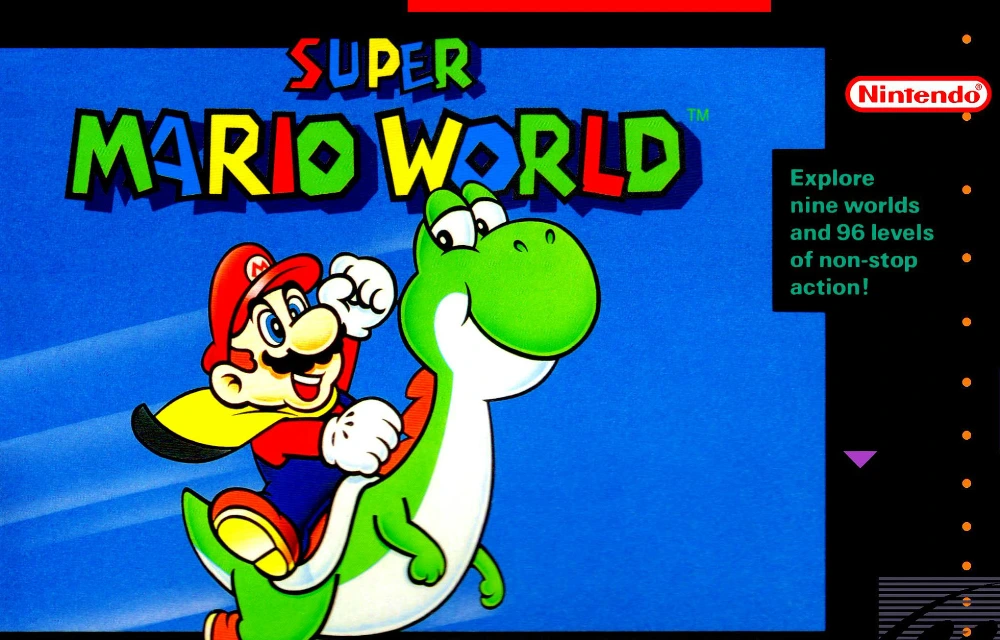
Witnessing the leap from the NES to the new 16-bit Super Nintendo in 1991 was downright magical. The console had an eye-catching futuristic design (in the eyes of my six-year-old self anyway), and the hardware produced higher-quality graphics and sound that delivered an experience impossible for the previous generation. And what better title to lead the charge than Super Mario World? I remember seeing the game for the first time at a graduation party for a friend going to middle school. We all huddled around her TV, taking turns playing the game. As soon as that giant Banzai Bill streaked across the screen, I was hooked.
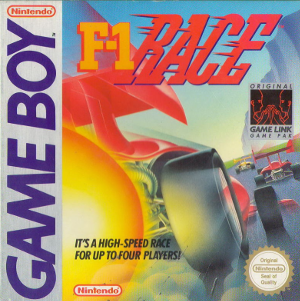
As we age, we sometimes look back on a game we once enjoyed and discover that isn’t nearly as fun as we thought all those years ago. F-1 Race is one of those games for me. Originally released in 1984 on the Famicom, Nintendo reworked a few gameplay elements for its Western release on the Game Boy in 1990. Back then, I was enthralled with the idea of racing around in a Formula One machine while battling it out for first place. Maybe it was the thrill of screaming down the track at 360 km, or perhaps it was just the excitement of playing a new Game Boy game. Whatever the case was, I thought I had gold in the palm of my hands.
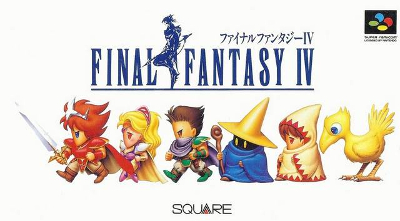
Today marks the 30th anniversary of Final Fantasy IV. Originally released on July 19, 1991, it was a momentous event due in no small part to the fact that this was the first in the series to debut on the Super Famicom. It was released to critical acclaim, and once again several months later when it came to the US on the Super Nintendo as Final Fantasy II (since we missed the first two sequels on the NES). Unfortunately, I didn’t get to play it until a decade later, when it was re-released as part of Final Fantasy Chronicles. And although I was late experiencing my first 16-bit RPG, it was undoubtedly worth the wait.
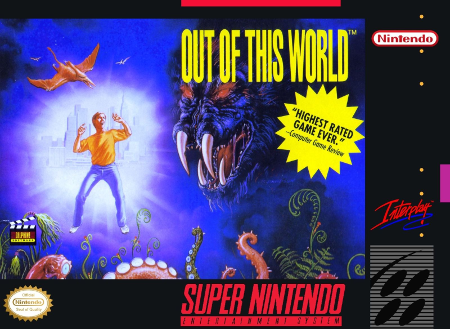
Out of this World (aka Another World) was initially developed and released for the Amiga and Atari ST personal computers by French game designer Eric Chahi in 1991. The game was later ported to the Super Nintendo, among other home consoles. Out of this World garnered much praise for its intriguing visual style and storytelling ability. In most games from this era, text or dialogue was usually the vehicle used to drive the story forward. But this one did it differently. Instead, the ever-changing situations, dangers, and victories all worked together to tell the story without a word.
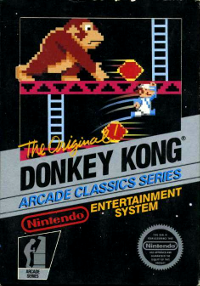
It all began on this day 40 years ago, in 1981. Nintendo- a then-obscure arcade machine manufacturer- had a problem with their latest game, Radar Scope. The machines weren’t selling as well as hoped, so the company decided to refit the unsold units with a brand new game. Young staff artist Shigeru Miyamoto was tasked with creating an arcade game that would capture the attention of the American audience. The finished product starred a stressed-out gorilla with an infinite supply of barrels who wasn't afraid to use them. It's the stubborn monkey himself, Donkey Kong.
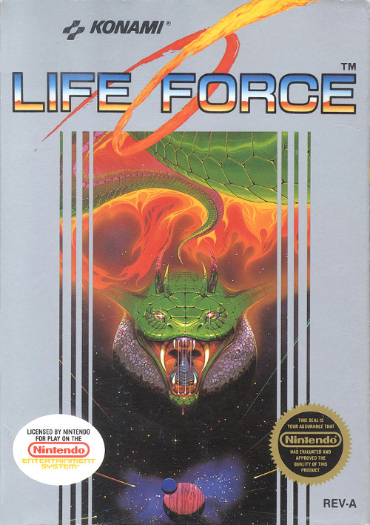
If you ever want to know how Konami became so successful, just look at their arcade history of the 1980s. Not only were the games entertaining, but there was also a good chance that their best hits would appear on NES and a wealth of other home consoles. Life Force was no exception. Released initially as Salamander in Japan 35 years ago today, the game came to America as Life Force and received an NES port two years later.
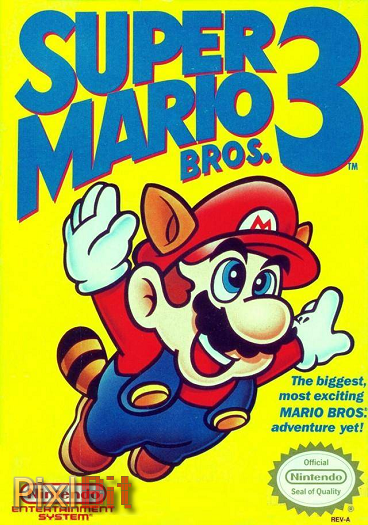
On October 23, 1988, Mario series creator Shigeru Miyamoto and his crack team of Nintendo EAD ninjas released Super Mario Bros. 3 in Japan. To coincide with its US launch 16 months later, Nintendo produced a commercial featuring kids clamoring for the game like it was the second coming of Christ. The hype was intense, and it worked exceedingly well. The game went on to exceed the first one in sales, fandom, and legendary status. Mario and the crew had undeniably hit their stride.
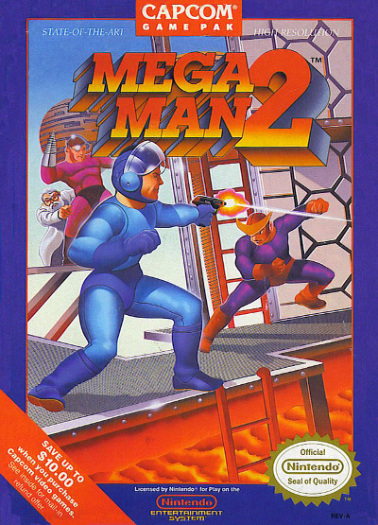
Mega Man 2 started as a side project that Capcom allowed artist Keiji Inafune’s team to work on during their downtime between higher priority projects. Much of the game's design included leftover ideas that didn’t make it into the inaugural entry. However, a few gameplay refinements and an incredible soundtrack combined to bring forth a classic that still attracts new fans despite being released over 30 years ago. Not bad for a side project.
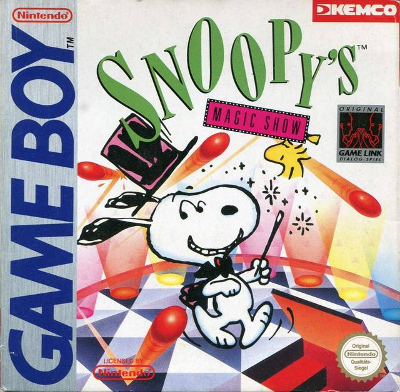
There is nary a soul out there who hasn’t seen or heard of Snoopy- that lovable beagle in the Peanuts comic dating back to the 1950s. Having existed across various forms of media, it was only a matter of time before Snoopy and friends would end up on a Nintendo system or two. Such was the case in 1990 when Kemco released Snoopy’s Magic Show on the Game Boy. A few years later, one of my sister’s school friends let my brother borrow this game, which I eventually played and completed. Returning to this game as an adult, I have no idea how kid me finished it without a broken spirit.
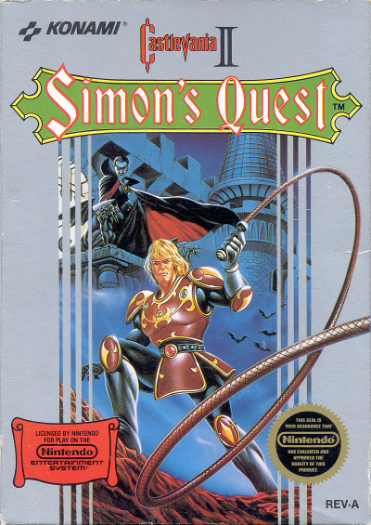
It was common practice for game developers to make radical design changes for the first sequel of a popular game in the early NES days. It was no different with Castlevania II: Simon's Quest. Released in North America in 1988, Konami decided that a few changes were in order. The previous game primarily focused on platforming, defeating the boss of the current stage, and moving on to the next location in linear order. Conversely, Simon’s Quest took the series in a new direction with an open, Metroid-esque style of exploration and a few RPG elements to boot. Castlevania had entered a new frontier.
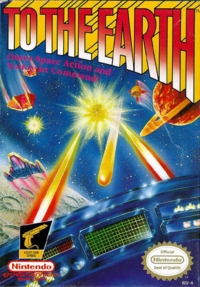
After playing Duck Hunt as a child in 1987, I became an instant fan of Nintendo's Zapper peripheral. There was something magical about pointing the orange & grey gun at the screen and seeing the game respond to my attempts at shooting the waterfowl flying about. As the years passed, I played other enjoyable Zapper games like Hogan's Alley, Wild Gunman, and Barker Bill's Trick Shooting. After such great experiences, I was convinced that all Nintendo-developed light gun games were as good as the previous ones I played. "They can do no wrong!" I said—famous last words of a naive fool.