
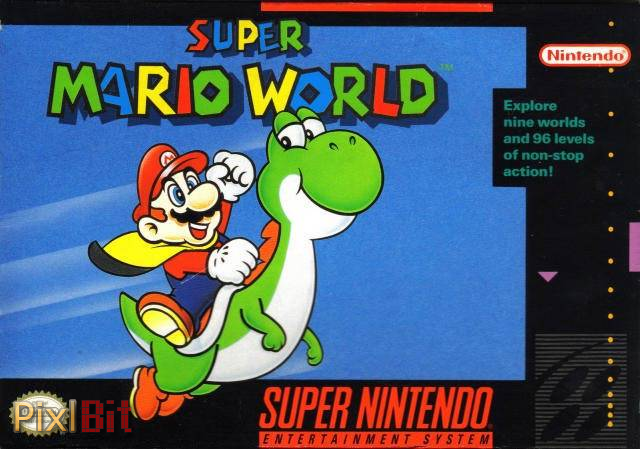
Witnessing the leap from the NES to the new 16-bit Super Nintendo in 1991 was downright magical. The console had an eye-catching futuristic design (in the eyes of my six-year-old self anyway), and the hardware produced higher-quality graphics and sound that delivered an experience impossible for the previous generation. And what better title to lead the charge than Super Mario World? I remember seeing the game for the first time at a graduation party for a friend going to middle school. We all huddled around her TV, taking turns playing the game. As soon as that giant Banzai Bill streaked across the screen, I was hooked.
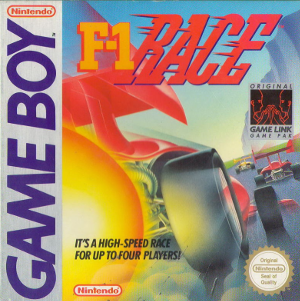
As we age, we sometimes look back on a game we once enjoyed and discover that isn’t nearly as fun as we thought all those years ago. F-1 Race is one of those games for me. Originally released in 1984 on the Famicom, Nintendo reworked a few gameplay elements for its Western release on the Game Boy in 1990. Back then, I was enthralled with the idea of racing around in a Formula One machine while battling it out for first place. Maybe it was the thrill of screaming down the track at 360 km, or perhaps it was just the excitement of playing a new Game Boy game. Whatever the case was, I thought I had gold in the palm of my hands.
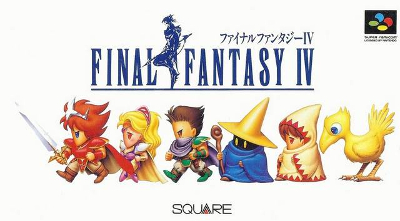
Today marks the 30th anniversary of Final Fantasy IV. Originally released on July 19, 1991, it was a momentous event due in no small part to the fact that this was the first in the series to debut on the Super Famicom. It was released to critical acclaim, and once again several months later when it came to the US on the Super Nintendo as Final Fantasy II (since we missed the first two sequels on the NES). Unfortunately, I didn’t get to play it until a decade later, when it was re-released as part of Final Fantasy Chronicles. And although I was late experiencing my first 16-bit RPG, it was undoubtedly worth the wait.
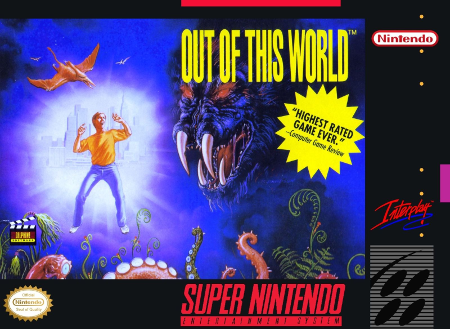
Out of this World (aka Another World) was initially developed and released for the Amiga and Atari ST personal computers by French game designer Eric Chahi in 1991. The game was later ported to the Super Nintendo, among other home consoles. Out of this World garnered much praise for its intriguing visual style and storytelling ability. In most games from this era, text or dialogue was usually the vehicle used to drive the story forward. But this one did it differently. Instead, the ever-changing situations, dangers, and victories all worked together to tell the story without a word.
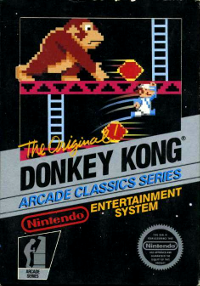
It all began on this day 40 years ago, in 1981. Nintendo- a then-obscure arcade machine manufacturer- had a problem with their latest game, Radar Scope. The machines weren’t selling as well as hoped, so the company decided to refit the unsold units with a brand new game. Young staff artist Shigeru Miyamoto was tasked with creating an arcade game that would capture the attention of the American audience. The finished product starred a stressed-out gorilla with an infinite supply of barrels who wasn't afraid to use them. It's the stubborn monkey himself, Donkey Kong.
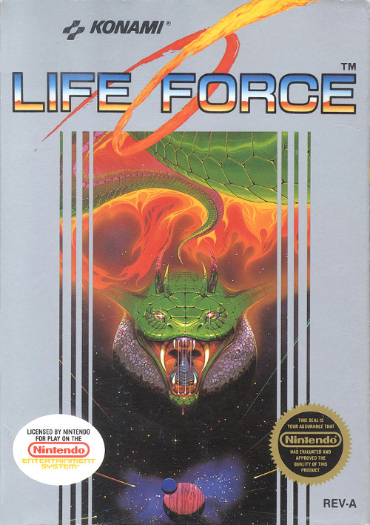
If you ever want to know how Konami became so successful, just look at their arcade history of the 1980s. Not only were the games entertaining, but there was also a good chance that their best hits would appear on NES and a wealth of other home consoles. Life Force was no exception. Released initially as Salamander in Japan 35 years ago today, the game came to America as Life Force and received an NES port two years later.
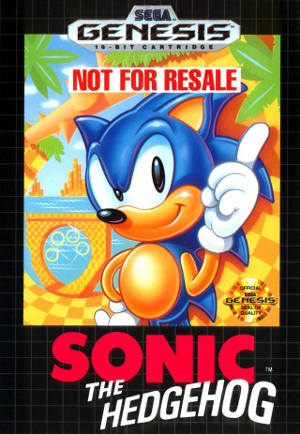
By 1990, Sega was enjoying newfound success with their new 16-bit Genesis system. It quickly became a competent competitor to the NES with popular titles like Golden Axe, Phantasy Star II, and Revenge of Shinobi. But despite the rising success of the Genesis, the platform didn’t have a brand character that could rival Super Mario. Tasked with creating such a mascot, character designer Naoto Oshima came up with Sonic- a blue anthropomorphic hedgehog. Sonic the Hedgehog was released on June 23, 1991- two full months ahead of the Super Nintendo’s debut in America. It was a big summer for Sega, and today marks the 30th anniversary of the moment that made them an icon in the home console gaming space.
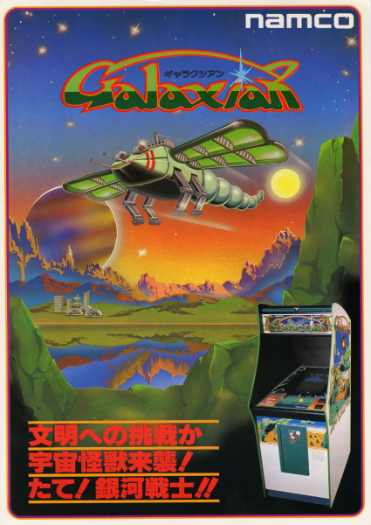
If you live anywhere in the northeastern United States like me, your space is likely being invaded by the periodical cicada brood this time of year. After experiencing the terror of having one smack me in the eye the other day, I realized that these critters share some interesting commonalities with the insects in the arcade classic Galaxian. They’re red-eyed, noisy in groups, and will eagerly dive-bomb you as if “Ride of the Valkyries” were blasting in the background. If you told me cicadas were the inspiration behind this game, I’d totally believe you.
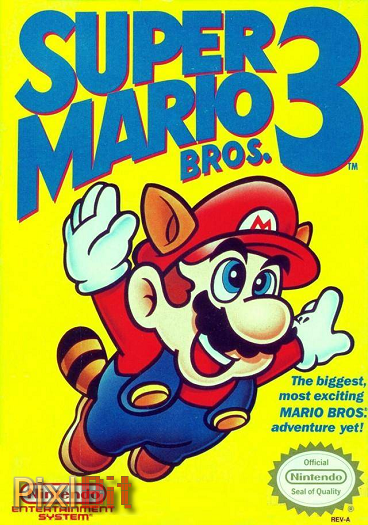
On October 23, 1988, Mario series creator Shigeru Miyamoto and his crack team of Nintendo EAD ninjas released Super Mario Bros. 3 in Japan. To coincide with its US launch 16 months later, Nintendo produced a commercial featuring kids clamoring for the game like it was the second coming of Christ. The hype was intense, and it worked exceedingly well. The game went on to exceed the first one in sales, fandom, and legendary status. Mario and the crew had undeniably hit their stride.
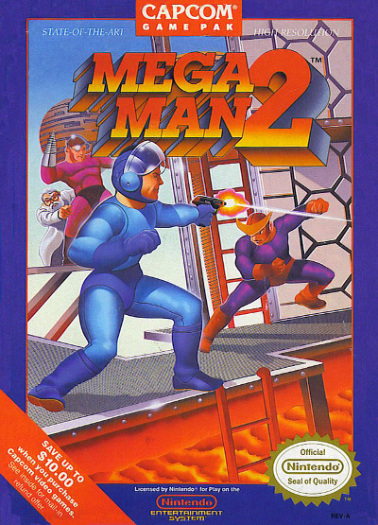
Mega Man 2 started as a side project that Capcom allowed artist Keiji Inafune’s team to work on during their downtime between higher priority projects. Much of the game's design included leftover ideas that didn’t make it into the inaugural entry. However, a few gameplay refinements and an incredible soundtrack combined to bring forth a classic that still attracts new fans despite being released over 30 years ago. Not bad for a side project.
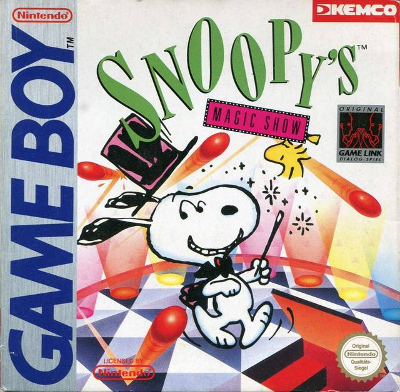
There is nary a soul out there who hasn’t seen or heard of Snoopy- that lovable beagle in the Peanuts comic dating back to the 1950s. Having existed across various forms of media, it was only a matter of time before Snoopy and friends would end up on a Nintendo system or two. Such was the case in 1990 when Kemco released Snoopy’s Magic Show on the Game Boy. A few years later, one of my sister’s school friends let my brother borrow this game, which I eventually played and completed. Returning to this game as an adult, I have no idea how kid me finished it without a broken spirit.
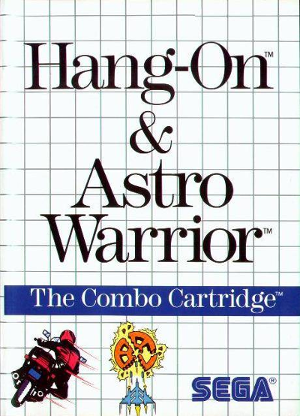
There are certain combo cartridges games that leave me wondering why they were ever sold as standalone releases in the first place. I found myself asking that question after playing the Hang-On/Astro Warrior cart on the Master System. I mean, don’t get me wrong- it’s nice to have both games on a cartridge. But neither one held much weight when all was said and done. Even so, I was still able to come away with some goodwill toward Hang-On. Unfortunately, I can’t say the same for Astro Warrior, but I’ll touch on that shortly. So, without further ado, let’s get to it.
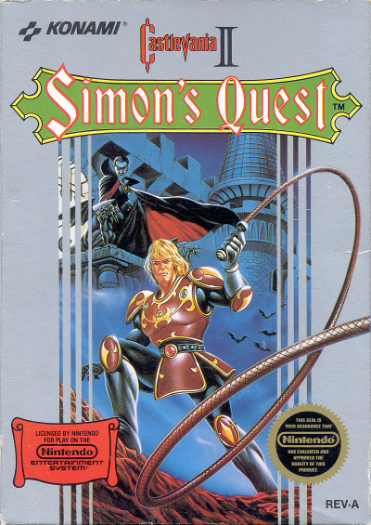
It was common practice for game developers to make radical design changes for the first sequel of a popular game in the early NES days. It was no different with Castlevania II: Simon's Quest. Released in North America in 1988, Konami decided that a few changes were in order. The previous game primarily focused on platforming, defeating the boss of the current stage, and moving on to the next location in linear order. Conversely, Simon’s Quest took the series in a new direction with an open, Metroid-esque style of exploration and a few RPG elements to boot. Castlevania had entered a new frontier.
After playing Duck Hunt as a child in 1987, I became an instant fan of Nintendo's Zapper peripheral. There was something magical about pointing the orange & grey gun at the screen and seeing the game respond to my attempts at shooting the waterfowl flying about. As the years passed, I played other enjoyable Zapper games like Hogan's Alley, Wild Gunman, and Barker Bill's Trick Shooting. After such great experiences, I was convinced that all Nintendo-developed light gun games were as good as the previous ones I played. "They can do no wrong!" I said—famous last words of a naive fool.
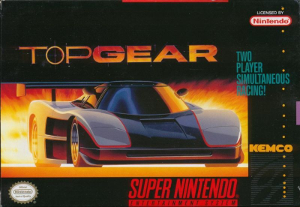
Ever since Namco’s Pole Position made its debut in the arcades in 1982, the racing genre has been considered an essential medium in the gaming world. The increase of video game consoles making their way into homes throughout the mid-to-late ’80s further solidified the popularity of racing games. Players looking for deeper mechanics than what was available from the current offerings of the day could rejoice when Kemco published Top Gear in 1992- one of the first driving games for the Super NES.
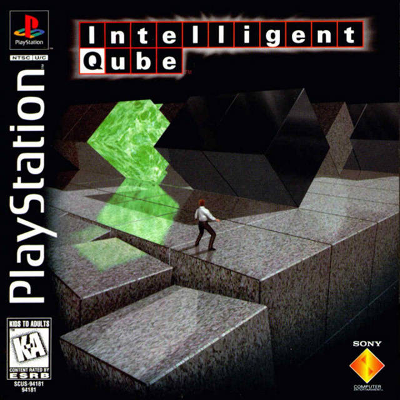
The original PlayStation console opened new doors of innovation in game development. Its hardware capabilities gave designers greater freedom to present fresh experiences from well-established genres. And in some cases, it would attract outsiders that previously had no background in game development at all. Such was the case with Masahiko Sato- known for his brilliant TV commercials produced in Japan (and a bevy of other talents). Though not a game designer by trade, he created Intelligent Qube- a new type of block puzzle game to challenge curious minds.
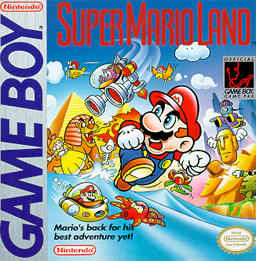
The Game Boy- created by the late Gunpei Yokoi- was Nintendo's first handheld system to mix the portability of the Game & Watch with the seemingly infinite possibilities of interchangeable cartridges. Although Tetris was the pack-in game with every unit, Nintendo still wanted to have at least one title in the 1989 launch lineup that their consumer base would instantly recognize.
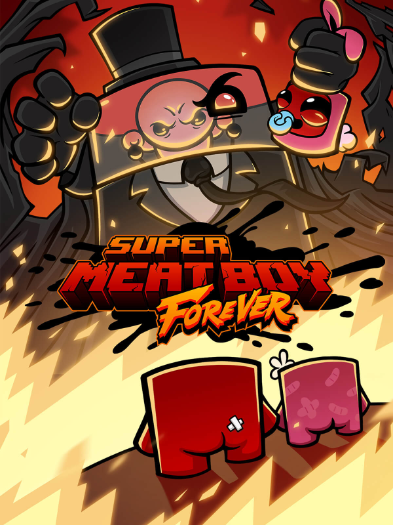
Ten years ago, we were given a gift in the form of Super Meat Boy on Xbox Live Arcade. At the time, we’d never really seen anything like it. Smaller indie downloadable games were really just starting to enter the mainstream consciousness of gaming and Super Meat Boy effectively kicked the door in and made clear that these smaller titles had something special to offer and were here to stay. And since that statement, myriad other developers have taken lessons from Super Meat Boy and its DNA can be seen in so many games that would follow. However, this creates an interesting predicament that Team Meat needed to solve - how do you offer a sequel that manages to bring something new to the table, while still feeling as simple and approachable (and difficult) as the original did?
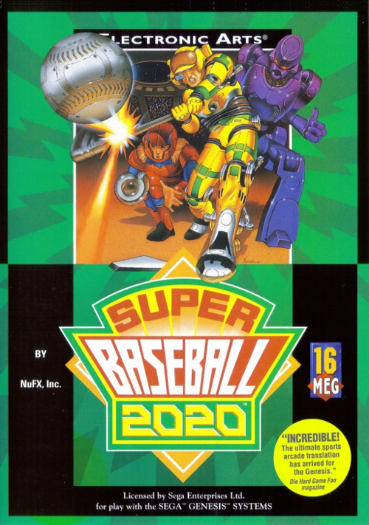
With the year 2020 and the MLB World Series well underway, there’s no better time than now to talk about Super Baseball 2020. In 1991, SNK- the famed developer of such blockbusters as Metal Slug and Aero Fighters- released their spin on America’s favorite pastime in the arcades. Two years later, it was ported to the Sega Genesis with NuFX and Electronic Arts handling the programming and publishing. With its futuristic setting and easy controls, the game offered a level of enjoyment missing from baseball’s more realistic interpretations on the home console platform.
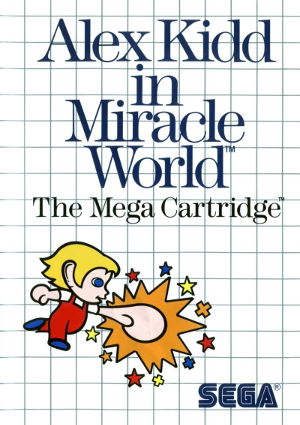
Let's take a minute to go back in time to 1986. Nintendo was basking in the success of their NES console with hits like Super Mario Bros., Excitebike, and The Legend of Zelda. Meanwhile, Sega wanted to prove that the Master System was the better entertainment medium of choice. Attempting to go toe to toe with Mario, they created Alex Kidd in Miracle World. For Master System fans, the release of this game was a day to remember. According to them, it was the dawn of a new era. According to some, Mario had met his match, and Nintendo would soon crumble under Sega's mighty fist. But reality had other plans.
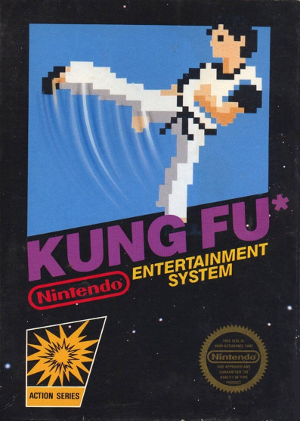
On October 18, 1985, the Nintendo Entertainment System was launched in the US. Among the 18 games released alongside it was Kung Fu. A rather unassuming title, Kung Fu has an intriguing history behind it. It started as an arcade game from Irem called Kung-Fu Master and was intended to be based on the movie Game of Death- Bruce Lee’s final film before he died. Later in the course of development, the story and characters were changed to become a tie-in to the Jackie Chan film Spartan X (aka Wheels on Meals). Most noteworthy about the game was its genre-defining gameplay elements that are considered by many to be the first example of what would come to be known as a beat ‘em up.
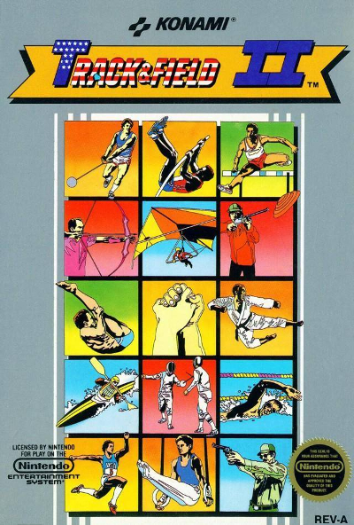
In 1988, the Summer Olympics took place in Seoul, South Korea. Capitalizing on this event, Konami released the latest game in their Hyper Sports series, Konamic Sports in Seoul on the Famicom. The game was released a year later in the US as Track & Field II. If the original Track & Field were a person, it would be the humble, modest friend quietly entering the room. Track & Field II, on the other hand, is more like the gregarious guy that wants to be the life of the party. Instead of the meager eight sporting events of the first game, this one features 15 athletic events (11 of which were new to the NES series).
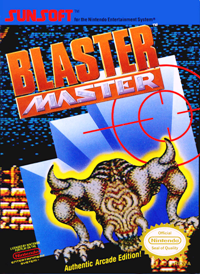
My earliest years in gaming was a magical time. Every new game I discovered pioneered a fresh mechanic I hadn’t seen before. I'll never forget the moment when my brother's best friend came over with his NES games to show off Blaster Master. I marveled as the story elements unfolded while melancholic music played in the attract mode. Pressing the start button then transitioned me to the opening shot of an armored vehicle speeding off while the triumphant music swelled to a crescendo as I journeyed into the unknown. Never had I witnessed anything like that at the time. While everything I just described is nothing spectacular these days, Blaster Master still has a few gameplay elements that still hold up quite nicely.
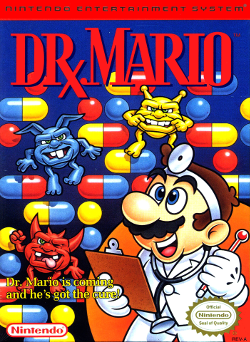
To describe Dr. Mario as a falling block puzzle game would be slightly misleading. In lieu of descending blocks, you’ll have to guide vitamin capsules raining down from that dubiously credentialed pill-popping Mario. I mean c’mon— he’s a plumber practicing medicine in the “Mushroom Kingdom”. It’s a Dateline investigation waiting to happen. Mark my words.
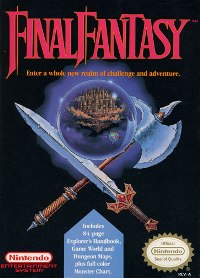
Final Fantasy is the stuff of legend. No, seriously-- it is. Just ask any enthusiast about the origins of the series. Watch as their eyes gleam while recounting the story of how it all began. Legend has it that a long time ago (1987) in the land of Japan, a fledgling company known as Square (now Square Enix) wasn’t doing so well financially. Despite earlier releases like Rad Racer and 3-D World Runner, their games weren’t selling well enough to pull them out of the slump. It seemed as if all was lost. Wanting to go out with a bang, Square chose to develop a role-playing game. They called it Final Fantasy (*cue epic music*).